


HPV Vaccine After HPV Exposure: What Are the Possible Benefits?
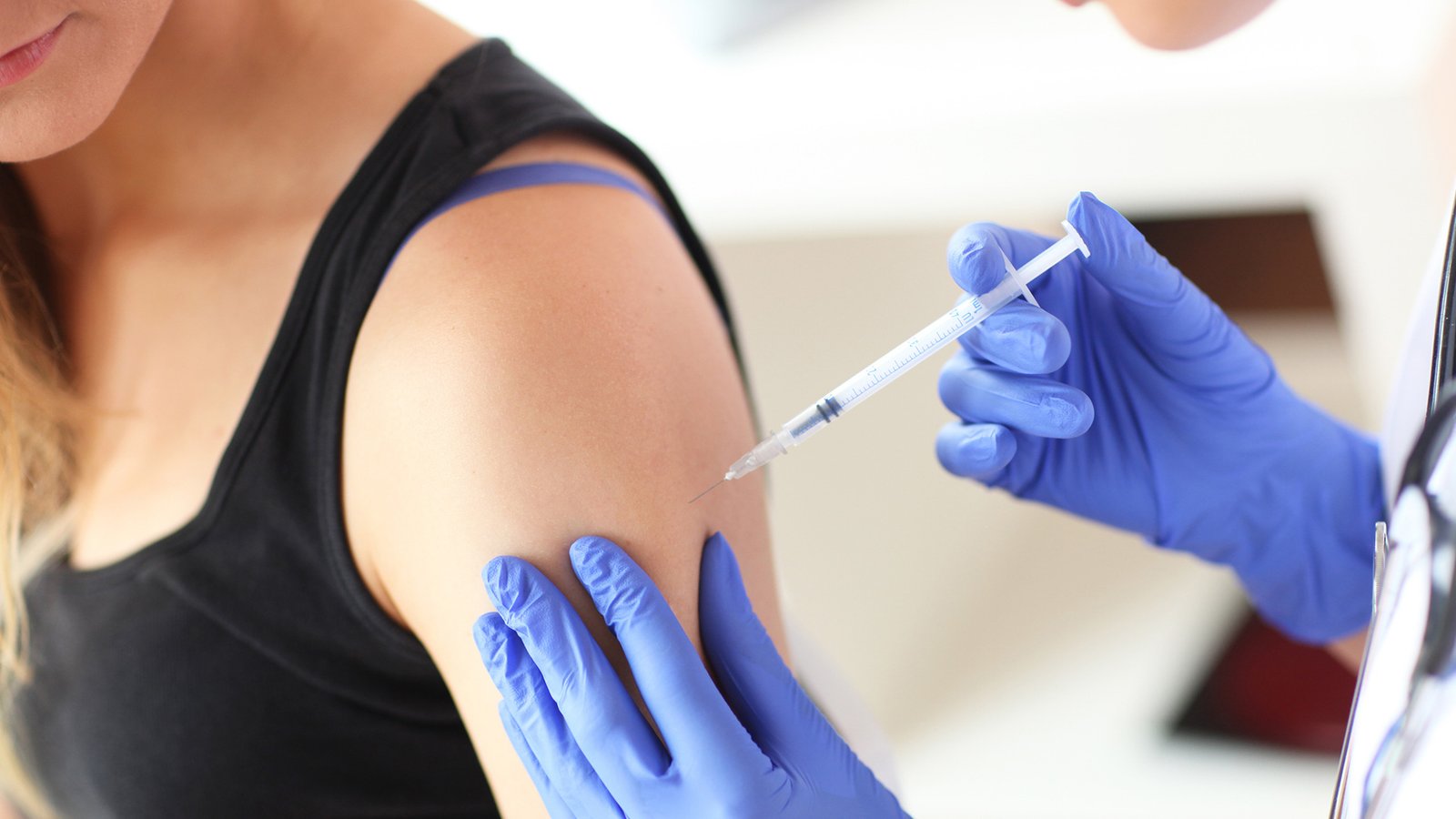
Learning about possible HPV exposure can raise questions about vaccination, future health risks, and available preventive options. The human papillomavirus (HPV) is common, and exposure does not necessarily mean that a person will develop an HPV-related condition. Although the vaccine works best before exposure, eligible individuals may still benefit from vaccination against HPV types they have not encountered. Services such as HPV Vaccine at Home in Dubai make preventive vaccination more convenient, while a qualified Doctor at Home can explain eligibility, possible benefits, and the recommended dose schedule. Understanding what the vaccine can and cannot do after exposure helps individuals make informed healthcare decisions.
Understanding HPV Exposure and Its Health Implications:
HPV is a group of viruses transmitted mainly through intimate skin-to-skin contact, including sexual contact. Many infections do not cause symptoms and clear naturally without treatment, but some types can persist and contribute to health problems. Low-risk HPV types, particularly types 6 and 11, cause most genital warts, while certain high-risk types are associated with cancers of the cervix, anus, penis, vulva, vagina, and oropharynx. A person may carry HPV without visible signs, so exposure is not always immediately identifiable. It is also possible to encounter one HPV type without being exposed to all the others. This distinction is important when considering vaccination after a possible or confirmed exposure.
Can You Get the HPV Vaccine After Exposure:
Yes, eligible individuals can generally receive the HPV vaccine even if they may have previously been exposed to HPV. The important point is that the vaccine does not treat an existing infection or remove the virus from the body. Instead, it helps prevent new infections from the HPV types included in the vaccine that the individual has not already encountered. Since there are multiple HPV types, previous exposure to one type does not automatically mean exposure to every type covered by the vaccine. A healthcare professional can review age, vaccination history, and individual circumstances to determine whether vaccination may still offer meaningful protection.
Possible Benefits of HPV Vaccination After Exposure:
Although vaccination before exposure provides the greatest preventive benefit, vaccination afterward may still protect against HPV types a person has not encountered. For example, someone exposed to one HPV type may still receive protection against other vaccine-covered types. This can be particularly relevant because different HPV types are associated with different health conditions. Possible benefits include:
-
Protection against selected HPV types not previously encountered.
-
Reduced risk of future infection from covered high-risk types.
-
Protection against certain HPV types responsible for genital warts, depending on the vaccine.
-
Reduced risk of developing some HPV-related diseases in the future.
-
An opportunity to complete an incomplete vaccination series if eligible.
The potential benefit varies between individuals and depends on previous exposure, age, vaccine formulation, and vaccination history. The vaccine should be viewed as future prevention rather than treatment for an infection already present.
Does the HPV Vaccine Clear an Existing Infection:
No. The HPV vaccine is preventive and does not clear an existing HPV infection. It also does not treat genital warts, abnormal cervical cells, or HPV-related cancers. Many HPV infections resolve naturally through the body's immune response, but persistent infections may require medical monitoring or treatment depending on the affected area and the findings. Individuals who have tested positive for HPV should discuss the result with a healthcare professional rather than relying on vaccination as treatment. Vaccination may still be worth considering if they are eligible because it can protect against other HPV types. Understanding this difference helps prevent unrealistic expectations about what the vaccine can achieve after exposure.
Why the HPV Vaccine Still Matters for Different HPV Types:
There are many HPV types, and exposure to one does not mean a person has encountered all of them. The nine-valent HPV vaccine, for example, covers nine types: HPV 6 and 11, which cause most genital warts, and seven high-risk types associated with several cancers. A person previously exposed to one type may still be susceptible to the remaining types covered by the vaccine. This is why previous HPV exposure does not automatically make vaccination unnecessary. However, the vaccine's benefits may be smaller for some adults who have already encountered several covered types. A healthcare professional can explain the likely value of vaccination based on individual circumstances.
Who May Benefit from HPV Vaccination After Exposure:
HPV vaccination recommendations are based mainly on age, previous vaccination, and medical circumstances rather than whether someone knows they have been exposed. Catch-up vaccination is generally recommended through age 26 for individuals who have not completed the series. Adults aged 27–45 may discuss possible benefits with a healthcare professional through shared clinical decision-making. Vaccination is recommended for both men and women because HPV can cause genital warts and several types of cancer in people of all genders. People with weakened immune systems may need a different dose schedule. Anyone considering vaccination after exposure should discuss their history and eligibility with a qualified healthcare provider.
How Many Doses Are Needed After HPV Exposure:
The recommended number of doses does not usually change simply because a person may have been exposed to HPV. It depends mainly on the age when vaccination begins and immune status. Standard recommendations generally include:
-
Starting before the 15th birthday: two doses, usually separated by 6–12 months.
-
Starting at age 15 or older: generally three doses.
-
Weakened immune system: generally three doses, even when vaccination begins before age 15.
-
Incomplete vaccination: continue the series according to professional guidance rather than automatically restarting it.
Following the correct schedule is important for achieving the intended protection. A healthcare professional can review previous vaccination records and advise on any remaining doses.
The Importance of HPV Testing and Regular Screening:
A routine HPV test is not generally required before receiving the HPV vaccine because no test can determine whether someone has encountered every HPV type covered by the vaccine. However, people with a cervix should continue following recommended cervical screening guidelines, regardless of vaccination status. Screening can identify high-risk HPV infections or abnormal cervical cell changes that may need monitoring or further assessment. If someone has a positive HPV result, genital warts, or unusual symptoms, they should seek professional advice about appropriate follow-up. Vaccination and screening serve different purposes: vaccination helps prevent selected future infections, while screening helps detect existing changes that may require attention.
HPV Vaccine Safety After Possible Exposure:
The HPV vaccine has been extensively studied and is generally considered safe for eligible individuals, including those who may have previously encountered HPV. It contains virus-like particles rather than live virus, so it cannot cause an HPV infection. Common side effects are usually mild and temporary, such as:
-
Pain, redness, or swelling at the injection site.
-
Mild fever or headache.
-
Tiredness or muscle discomfort.
-
Dizziness or fainting shortly after vaccination.
Remaining seated and being observed for approximately 15 minutes after the injection can help reduce the risk of injury from fainting. Individuals should discuss previous severe allergic reactions and relevant medical conditions with their healthcare professional before vaccination. Serious allergic reactions are rare but require urgent medical attention.
The Convenience of HPV Vaccine at Home in Dubai:
For individuals balancing work, family, and healthcare responsibilities, home vaccination can make preventive care more accessible. HPV Vaccine at Home in Dubai allows eligible individuals to arrange an appointment in a familiar environment, provided the service is delivered by appropriately qualified healthcare professionals. Before booking, confirm that the provider follows proper vaccine storage and cold-chain procedures, maintains accurate vaccination records, and offers post-vaccination observation and guidance. It is also useful to discuss the vaccine formulation and recommended dose schedule before the appointment. A home vaccination service should meet the same professional safety standards expected in a clinic.
Final Thoughts
Receiving the HPV vaccine after possible exposure can still offer benefits because previous contact with one HPV type does not necessarily mean exposure to every type covered by the vaccine. However, vaccination cannot clear an existing infection, treat genital warts, or reverse abnormal cervical changes. Eligible individuals should discuss their vaccination history, age, and potential benefits with a qualified healthcare professional. Completing the recommended doses and continuing appropriate screening are important parts of long-term prevention. Convenient options such as HPV Vaccine at Home in Dubai can also help individuals access vaccination as part of a broader preventive healthcare plan.
