
• E Learning Market Analysis Examines Digital Education Innovation and Adoption 2035
    The E Learning Market Analysis highlights the transformation of traditional education and professional training through digital technologies. Online learning platforms are enabling institutions, businesses, and individual learners to access educational content beyond conventional classroom environments. The industry is shaped by increasing internet accessibility, mobile device adoption, cloud computing, artificial intelligence, and changing workforce skill requirements. As digital education becomes more integrated into academic and professional environments, providers are focusing on flexible delivery, interactive content, and improved learning outcomes.
    Major Factors Driving Adoption
    The growing demand for flexible education is an important factor supporting e-learning adoption. Learners increasingly seek opportunities to study according to their schedules, access course materials remotely, and balance education with professional responsibilities. Online platforms provide recorded lessons, live instruction, digital assessments, and educational resources through connected devices.
    Organizations are also adopting e-learning to support employee development. Digital training enables companies to distribute consistent learning materials across different offices and remote teams. It can support onboarding, compliance instruction, leadership development, and technical training while allowing employees to access resources when required.
    Delivery Methods and Technology
    Self-paced learning allows students to progress through educational materials according to individual availability. Instructor-led online learning provides scheduled lessons, discussions, and direct feedback through virtual classrooms. Blended learning combines digital resources with physical instruction, making it suitable for programs that require practical demonstrations or face-to-face interaction.
    Learning management systems provide centralized course administration, enrollment, content distribution, assessment, and progress monitoring. Mobile learning applications extend access to smartphones and tablets, while cloud-based platforms support flexible deployment and resource management.
    Artificial Intelligence and Adaptive Learning
    AI is influencing the development of more personalized educational experiences. Adaptive learning systems can analyze learner performance and recommend content according to individual progress. Intelligent tutoring tools can provide explanations, answer routine questions, and guide learners through selected course materials.
    AI-assisted authoring tools are also helping educators prepare lessons, quizzes, summaries, and learning resources. Automated translation and content adaptation can support multilingual education. Nevertheless, institutions must maintain human oversight to ensure accuracy, appropriate instruction, and alignment with curriculum requirements.
    Corporate Training and Skill Development
    Workforce development is an important application of e-learning. Businesses require employees to update technical knowledge, develop digital capabilities, and understand changing industry practices. Online training platforms provide flexible ways to distribute learning programs and monitor participation.
    Microlearning is gaining attention because it divides subjects into focused learning units that can be completed within shorter sessions. Mobile learning supports access during work routines, while analytics help training managers evaluate participation and identify skill development requirements.
    E Learning Market Analysis Examines Digital Education Innovation and Adoption 2035 The E Learning Market Analysis highlights the transformation of traditional education and professional training through digital technologies. Online learning platforms are enabling institutions, businesses, and individual learners to access educational content beyond conventional classroom environments. The industry is shaped by increasing internet accessibility, mobile device adoption, cloud computing, artificial intelligence, and changing workforce skill requirements. As digital education becomes more integrated into academic and professional environments, providers are focusing on flexible delivery, interactive content, and improved learning outcomes. Major Factors Driving Adoption The growing demand for flexible education is an important factor supporting e-learning adoption. Learners increasingly seek opportunities to study according to their schedules, access course materials remotely, and balance education with professional responsibilities. Online platforms provide recorded lessons, live instruction, digital assessments, and educational resources through connected devices. Organizations are also adopting e-learning to support employee development. Digital training enables companies to distribute consistent learning materials across different offices and remote teams. It can support onboarding, compliance instruction, leadership development, and technical training while allowing employees to access resources when required. Delivery Methods and Technology Self-paced learning allows students to progress through educational materials according to individual availability. Instructor-led online learning provides scheduled lessons, discussions, and direct feedback through virtual classrooms. Blended learning combines digital resources with physical instruction, making it suitable for programs that require practical demonstrations or face-to-face interaction. Learning management systems provide centralized course administration, enrollment, content distribution, assessment, and progress monitoring. Mobile learning applications extend access to smartphones and tablets, while cloud-based platforms support flexible deployment and resource management. Artificial Intelligence and Adaptive Learning AI is influencing the development of more personalized educational experiences. Adaptive learning systems can analyze learner performance and recommend content according to individual progress. Intelligent tutoring tools can provide explanations, answer routine questions, and guide learners through selected course materials. AI-assisted authoring tools are also helping educators prepare lessons, quizzes, summaries, and learning resources. Automated translation and content adaptation can support multilingual education. Nevertheless, institutions must maintain human oversight to ensure accuracy, appropriate instruction, and alignment with curriculum requirements. Corporate Training and Skill Development Workforce development is an important application of e-learning. Businesses require employees to update technical knowledge, develop digital capabilities, and understand changing industry practices. Online training platforms provide flexible ways to distribute learning programs and monitor participation. Microlearning is gaining attention because it divides subjects into focused learning units that can be completed within shorter sessions. Mobile learning supports access during work routines, while analytics help training managers evaluate participation and identify skill development requirements.
    0 Yorum 0 Paylar 17 Görüntüleme

  • In the fast-evolving life sciences landscape, tracking licensing agreements, co-development partnerships, strategic alliances, and corporate funding rounds provides critical foresight for business development (BD) and executive strategy teams. Systematic deal tracking enables biopharma, biotech, and contract manufacturing organizations (CDMOs) to benchmark asset valuations, analyze upfront versus milestone payment structures, and identify emerging partnership opportunities before candidates reach late-stage clinical development.

    Key Takeaways

    Continuous Transaction Monitoring: Track licensing deals, joint ventures, co-promotion agreements, and venture capital rounds across therapeutic areas.
    Valuation & Milestone Benchmarking: Evaluate upfront payments, bio-dollar values, regulatory milestones, and tiered royalty structures across drug modalities.
    Identifying Strategic Buyers & Licensees: Pinpoint active pharma acquirers and regional licensing partners seeking specific pipeline assets.
    Predicting Partnering Shifts: Analyze deal terms and technology licensing patterns to anticipate where big pharma is deploying capital.
    What Key Challenges Defined the Need for Deal Tracking?

    Evaluating deal terms and partnership structures across biopharma categories involves managing opaque transaction disclosures and complex bio-dollar structures.

    The three primary business development challenges addressed include:

    Opaque Bio-Dollar Disclosures: Press releases frequently highlight headline "bio-dollar" figures (e.g., $1 billion+) while obscuring actual upfront cash, near-term clinical milestones, and success-contingent royalties.
    Identifying Early Partnering Signals: Business development teams risk missing optimal in-licensing windows if they only react to public deal press releases rather than tracking preclinical research collaborations.
    Regional Licensing Discrepancies: Out-licensing assets across regional markets (e.g., Greater China rights vs. US/EU rights) requires navigating distinct regional valuation benchmarks and regulatory milestone structures.
    Definition — Deal Tracking: The systematic collation, verification, and analytical synthesis of corporate financial transactions, technology licenses, joint ventures, and strategic investments across the biopharma and healthcare ecosystems.

    How to Framework Your Deal Tracking Intelligence Engine

    A comprehensive deal tracking architecture organizes transaction data across four structured analytical pillars:

    [Transaction Feed Aggregation] ──> [Valuation & Upfront Breakdown] ──> [Structure & Royalty Benchmarking] ──> [BD Target Mapping]

    What Role Does Specialized Market Intelligence Play in Deal Tracking?

    De-risking corporate transactions and negotiating optimal licensing terms requires access to verified, historical deal databases and experienced valuation models.

    Utilizing dedicated capabilities for deal tracking enables biopharma strategy leaders and BD executives to benchmark deal terms, evaluate partner deal preferences, and negotiate value-maximizing transactions.

    By grounding corporate transaction strategy in empirical deal intelligence, life sciences companies can secure favorable financial terms and execute high-value strategic partnerships.

    Read More: https://rootsanalysis.com/competitive-intelligence/deal-tracking

    Frequently Asked Questions (FAQs)

    What is the difference between total deal value and upfront deal value?

    Total deal value includes all potential future milestone payments (R&D, regulatory, and sales thresholds), whereas upfront value represents guaranteed cash, equity, or technology access fees paid upon contract signing.

    How do biopharma BD teams evaluate royalty tier structures?

    Royalty tiers are evaluated based on annual net sales thresholds, typically ranging from single-digit percentages for early platform options to high-double-digit percentages for late-stage or co-promoted assets.

    Why are option deals becoming increasingly popular in early-stage biotech?

    Option deals allow larger pharmaceutical partners to fund early research while retaining exclusive rights to license or acquire the asset once specific Phase I/II proof-of-concept milestones are met.

    Strategic Conclusion & Next Steps

    Executing successful licensing and M&A transactions depends on objective market valuation standards. Business development and strategy executives should deploy continuous deal tracking frameworks to inform negotiation terms and capitalize on strategic market opportunities.

    Author Bio

    Roots Analysis is a global life sciences market research and strategic consulting firm. Specializing in pharmaceuticals, biotechnology, medical devices, and advanced manufacturing modalities, Roots Analysis delivers actionable insights and proprietary analytical frameworks to help healthcare leaders make informed, data-driven decisions. Explore their complete research offerings and specialized deal tracking capabilities.
    In the fast-evolving life sciences landscape, tracking licensing agreements, co-development partnerships, strategic alliances, and corporate funding rounds provides critical foresight for business development (BD) and executive strategy teams. Systematic deal tracking enables biopharma, biotech, and contract manufacturing organizations (CDMOs) to benchmark asset valuations, analyze upfront versus milestone payment structures, and identify emerging partnership opportunities before candidates reach late-stage clinical development. Key Takeaways Continuous Transaction Monitoring: Track licensing deals, joint ventures, co-promotion agreements, and venture capital rounds across therapeutic areas. Valuation & Milestone Benchmarking: Evaluate upfront payments, bio-dollar values, regulatory milestones, and tiered royalty structures across drug modalities. Identifying Strategic Buyers & Licensees: Pinpoint active pharma acquirers and regional licensing partners seeking specific pipeline assets. Predicting Partnering Shifts: Analyze deal terms and technology licensing patterns to anticipate where big pharma is deploying capital. What Key Challenges Defined the Need for Deal Tracking? Evaluating deal terms and partnership structures across biopharma categories involves managing opaque transaction disclosures and complex bio-dollar structures. The three primary business development challenges addressed include: Opaque Bio-Dollar Disclosures: Press releases frequently highlight headline "bio-dollar" figures (e.g., $1 billion+) while obscuring actual upfront cash, near-term clinical milestones, and success-contingent royalties. Identifying Early Partnering Signals: Business development teams risk missing optimal in-licensing windows if they only react to public deal press releases rather than tracking preclinical research collaborations. Regional Licensing Discrepancies: Out-licensing assets across regional markets (e.g., Greater China rights vs. US/EU rights) requires navigating distinct regional valuation benchmarks and regulatory milestone structures. Definition — Deal Tracking: The systematic collation, verification, and analytical synthesis of corporate financial transactions, technology licenses, joint ventures, and strategic investments across the biopharma and healthcare ecosystems. How to Framework Your Deal Tracking Intelligence Engine A comprehensive deal tracking architecture organizes transaction data across four structured analytical pillars: [Transaction Feed Aggregation] ──> [Valuation & Upfront Breakdown] ──> [Structure & Royalty Benchmarking] ──> [BD Target Mapping] What Role Does Specialized Market Intelligence Play in Deal Tracking? De-risking corporate transactions and negotiating optimal licensing terms requires access to verified, historical deal databases and experienced valuation models. Utilizing dedicated capabilities for deal tracking enables biopharma strategy leaders and BD executives to benchmark deal terms, evaluate partner deal preferences, and negotiate value-maximizing transactions. By grounding corporate transaction strategy in empirical deal intelligence, life sciences companies can secure favorable financial terms and execute high-value strategic partnerships. Read More: https://rootsanalysis.com/competitive-intelligence/deal-tracking Frequently Asked Questions (FAQs) What is the difference between total deal value and upfront deal value? Total deal value includes all potential future milestone payments (R&D, regulatory, and sales thresholds), whereas upfront value represents guaranteed cash, equity, or technology access fees paid upon contract signing. How do biopharma BD teams evaluate royalty tier structures? Royalty tiers are evaluated based on annual net sales thresholds, typically ranging from single-digit percentages for early platform options to high-double-digit percentages for late-stage or co-promoted assets. Why are option deals becoming increasingly popular in early-stage biotech? Option deals allow larger pharmaceutical partners to fund early research while retaining exclusive rights to license or acquire the asset once specific Phase I/II proof-of-concept milestones are met. Strategic Conclusion & Next Steps Executing successful licensing and M&A transactions depends on objective market valuation standards. Business development and strategy executives should deploy continuous deal tracking frameworks to inform negotiation terms and capitalize on strategic market opportunities. Author Bio Roots Analysis is a global life sciences market research and strategic consulting firm. Specializing in pharmaceuticals, biotechnology, medical devices, and advanced manufacturing modalities, Roots Analysis delivers actionable insights and proprietary analytical frameworks to help healthcare leaders make informed, data-driven decisions. Explore their complete research offerings and specialized deal tracking capabilities.
    ROOTSANALYSIS.COM
    Deal Tracking | Roots Analysis
    Track partnership deals, licensing agreements, and M&A activity to understand competitor strategy and support informed business decisions.
    0 Yorum 0 Paylar 73 Görüntüleme
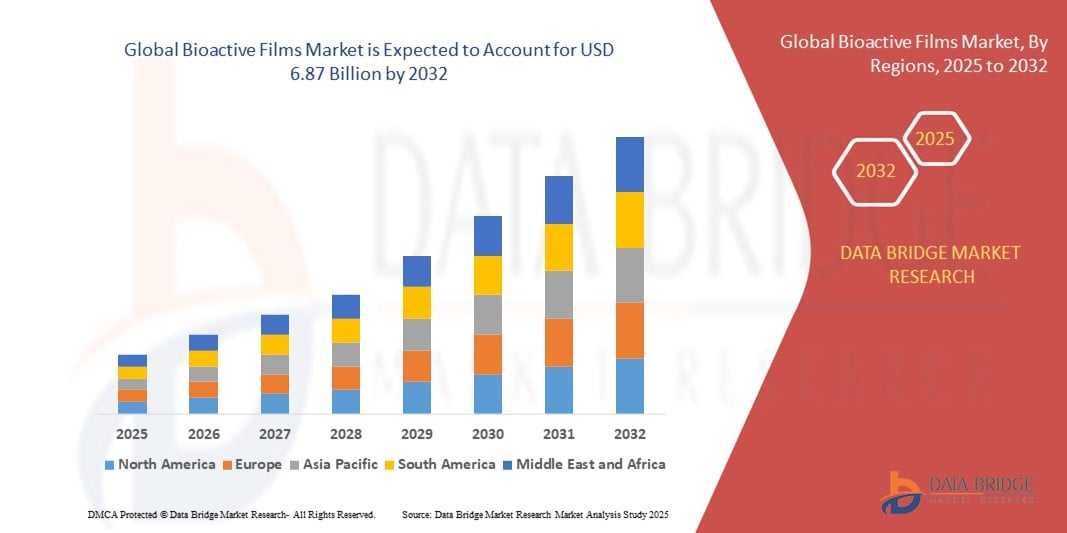
  • https://www.databridgemarketresearch.com/reports/global-bioactive-films-market
    https://www.databridgemarketresearch.com/reports/global-bioactive-films-market
    WWW.DATABRIDGEMARKETRESEARCH.COM
    Bioactive Films Market Size & Share | Industry Growth 2032
    Bioactive Films Market recorded a value of USD 3.68 Billion in 2024 and is likely to attain USD 6.87 Billion by 2032, increasing at a CAGR of 8.10% (2025–2032).
    0 Yorum 0 Paylar 49 Görüntüleme
  • The 2026 Pivot: How a Salesforce ISV Partner Can Transition Your App to “Agentic” Capabilities?
    Hello, fellow creators in technology! You already know that if your application is part of Salesforce’ app ecosystem, things are changing rapidly. Then, in 2026, typical automation is no longer adequate; hence, we have the name AgentExchange for what was once the AppExchange, which signifies the arrival of the age of autonomous labour.

    Don’t let yourself or your app lag behind. Let’s see how you can employ a specialized Salesforce ISV Partner to help implement autonomous, intent-driven workflows into your app.

    The evolution of Agentic AI in AgentExchange and the Role of a Salesforce ISV Partner
    With the big Salesforce marketplace overhaul, apps need to move from reactive to proactive agents. Salesforce has aggressively taken steps toward this future, such as its $50 million AgentExchange Builders fund to help software vendors stay in tune with its new platform.

    According to Salesforce, the digital labor market is expected to exceed $6 trillion by the year 2026, and “agentic” features will be the leading driver of ROI in enterprise software.
    Essential Steps Your Salesforce ISV Partner Takes to Facilitate an Agentic Adjustment
    Revamping the architecture of your application is no easy task. For this reason, a reputable provider of Salesforce development solutions can help you navigate through these technological processes:

    Step 1: Conversion to Model Context Protocol (MCP)
    Your years-old code has to speak the language of AI. The developers have to make sure that the core business logic of your application is transformed into secure “Actions” that meet the requirements of the MCP and can be executed automatically by Agentforce.

    Step 2: Creating the Scratch Card Viewer
    Companies need to create a secure environment while operating with AI. Your vendor will create advanced permission levels and control the actions of the AI.

    Step 3: Making the Application Ready for Semantic Search & 2GP Packaging
    Old-fashioned search is dead. Your app must undergo re-engineering for intent-based semantic search, using Data 360 and following the 2GP model.

    Read More: https://tech9logy.com/our-blog/salesforce-development/salesforce-isv-partner-for-agentic-ai-app-development/
    The 2026 Pivot: How a Salesforce ISV Partner Can Transition Your App to “Agentic” Capabilities? Hello, fellow creators in technology! You already know that if your application is part of Salesforce’ app ecosystem, things are changing rapidly. Then, in 2026, typical automation is no longer adequate; hence, we have the name AgentExchange for what was once the AppExchange, which signifies the arrival of the age of autonomous labour. Don’t let yourself or your app lag behind. Let’s see how you can employ a specialized Salesforce ISV Partner to help implement autonomous, intent-driven workflows into your app. The evolution of Agentic AI in AgentExchange and the Role of a Salesforce ISV Partner With the big Salesforce marketplace overhaul, apps need to move from reactive to proactive agents. Salesforce has aggressively taken steps toward this future, such as its $50 million AgentExchange Builders fund to help software vendors stay in tune with its new platform. According to Salesforce, the digital labor market is expected to exceed $6 trillion by the year 2026, and “agentic” features will be the leading driver of ROI in enterprise software. Essential Steps Your Salesforce ISV Partner Takes to Facilitate an Agentic Adjustment Revamping the architecture of your application is no easy task. For this reason, a reputable provider of Salesforce development solutions can help you navigate through these technological processes: Step 1: Conversion to Model Context Protocol (MCP) Your years-old code has to speak the language of AI. The developers have to make sure that the core business logic of your application is transformed into secure “Actions” that meet the requirements of the MCP and can be executed automatically by Agentforce. Step 2: Creating the Scratch Card Viewer Companies need to create a secure environment while operating with AI. Your vendor will create advanced permission levels and control the actions of the AI. Step 3: Making the Application Ready for Semantic Search & 2GP Packaging Old-fashioned search is dead. Your app must undergo re-engineering for intent-based semantic search, using Data 360 and following the 2GP model. Read More: https://tech9logy.com/our-blog/salesforce-development/salesforce-isv-partner-for-agentic-ai-app-development/
    0 Yorum 0 Paylar 498 Görüntüleme
  • Property Virtual Tour: A Smarter Way to Showcase Real Estate Online

    A property virtual tour is an interactive digital experience that lets viewers explore a property remotely. Depending on the technology used, visitors may be able to move between rooms, look around in different directions, and examine the relationship between spaces.

    Visit:- https://froodl.com/property-virtual-tour-a-smarter-way-to-showcase-real-estate-online
    Property Virtual Tour: A Smarter Way to Showcase Real Estate Online A property virtual tour is an interactive digital experience that lets viewers explore a property remotely. Depending on the technology used, visitors may be able to move between rooms, look around in different directions, and examine the relationship between spaces. Visit:- https://froodl.com/property-virtual-tour-a-smarter-way-to-showcase-real-estate-online
    FROODL.COM
    Property Virtual Tour: A Smarter Way to Showcase Real Estate Online
    Buying, renting, or selling a property often begins long before someone walks through the front door. Today, people research homes, apartments, commercial spaces, and investment properties online befo
    0 Yorum 0 Paylar 135 Görüntüleme
  • https://blkbook.blactive.com/read-blog/99270
    https://blkbook.blactive.com/read-blog/99270
    0 Yorum 0 Paylar 53 Görüntüleme
  • Matterport Virtual Tour: A More Immersive Way to Showcase Properties

    A Matterport virtual tour is an interactive digital representation of a physical space. Using specialized 3D capture technology, a property can be documented and transformed into an immersive online experience.

    Visit Now : https://talkmarkets.com/article/matterport-virtual-tour-a-more-immersive-way-to-showcase-properties-217988
    Matterport Virtual Tour: A More Immersive Way to Showcase Properties A Matterport virtual tour is an interactive digital representation of a physical space. Using specialized 3D capture technology, a property can be documented and transformed into an immersive online experience. Visit Now : https://talkmarkets.com/article/matterport-virtual-tour-a-more-immersive-way-to-showcase-properties-217988
    TALKMARKETS.COM
    Matterport Virtual Tour: A More Immersive Way to Showcase Properties
    Today, people often research a property online before they ever arrange a viewing. High-quality photography can capture attention, but static images only s
    0 Yorum 0 Paylar 121 Görüntüleme
  • Astrology has officially evolved from vague newspaper columns into dynamic, AI-powered self-reflection where modern seekers engage in real-time conversations with their full birth charts. By replacing broad sun-sign tropes with instant, multi-layered chart synthesis, interactive technology turns ancient sky-tracking into an active, on-demand tool for navigating daily transits, personal growth, and cosmic timing.

    Read more informative posts...
    https://abovedifference.com/members/astroma/
    https://pedagogue.app/members/astroma/
    https://md.cortext.net/s/B6NF8OiqA
    https://doc.anagora.org/s/uf-thuRUw
    https://pad.lamyne.org/s/j3nmMF2Cs

    Astrology has officially evolved from vague newspaper columns into dynamic, AI-powered self-reflection where modern seekers engage in real-time conversations with their full birth charts. By replacing broad sun-sign tropes with instant, multi-layered chart synthesis, interactive technology turns ancient sky-tracking into an active, on-demand tool for navigating daily transits, personal growth, and cosmic timing. Read more informative posts... https://abovedifference.com/members/astroma/ https://pedagogue.app/members/astroma/ https://md.cortext.net/s/B6NF8OiqA https://doc.anagora.org/s/uf-thuRUw https://pad.lamyne.org/s/j3nmMF2Cs
    Astroma – Above Difference
    Leading Difference Differently
    0 Yorum 0 Paylar 226 Görüntüleme
  • https://m2squareconsultancy.com/reports/interactive-kiosk-market
    https://m2squareconsultancy.com/reports/interactive-kiosk-market
    M2SQUARECONSULTANCY.COM
    Interactive Kiosk Market Size, Share, Trends & Forecast to 2033
    The Global Interactive Kiosk Market is set to grow from USD 35.3B in 2025 to USD 59.1B by 2033, with a 6.9% CAGR during the forecast period.
    0 Yorum 0 Paylar 32 Görüntüleme
  • https://m2squareconsultancy.com/reports/active-pharmaceutical-ingredients-market
    https://m2squareconsultancy.com/reports/active-pharmaceutical-ingredients-market
    M2SQUARECONSULTANCY.COM
    Active Pharmaceutical Ingredients Market Forecast to 2033
    The market, valued at USD 178.8B in 2025, is set to hit USD 359.2B by 2033, growing at a strong CAGR of 9.2% over the next decade
    0 Yorum 0 Paylar 39 Görüntüleme
Diğer Sonuçlar
Sponsor