


Innovations in Helicopter Engineering Improving Safety and Efficiency
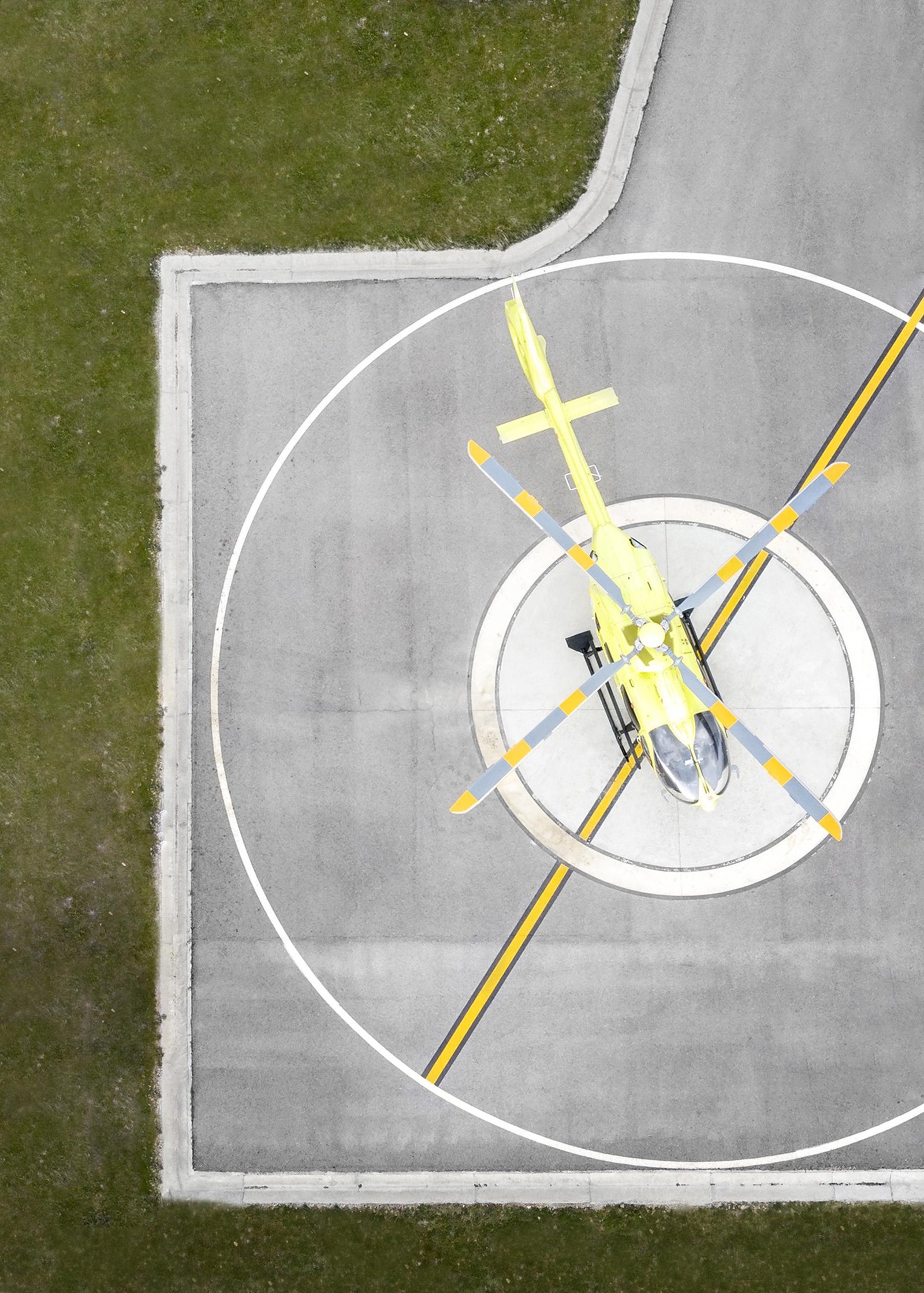
The aerospace industry constantly pushes the boundaries of what rotary-wing aircraft can achieve. Decades ago, flying a helicopter required immense physical exertion and constant mechanical oversight from the pilot. Now, modern engineering is rapidly transforming these complex machines into highly efficient, intelligent marvels of modern aviation.
Helicopters provide critical transport for medical emergencies, offshore energy operations, and complex search-and-rescue missions. Because these vital missions occur in vastly different geographic environments, pilots must navigate many different types of helipads, ranging from elevated urban hospital rooftops to harsh, salt-sprayed oil rigs at sea. To ensure absolute safety and reliability across such unpredictable landing zones, engineers have developed incredible new technological safeguards.
This current wave of aviation innovation focuses heavily on maximizing safety margins and boosting operational efficiency. By replacing heavy mechanical linkages with advanced digital computers and swapping traditional aviation metals for high-tech structural composites, manufacturers are building lighter, stronger, and more capable rotorcraft. These upgrades allow operators to carry heavier payloads while consuming significantly less fuel.
This article explores the modern engineering advancements redefining rotary-wing flight. We will examine the operational benefits of fly-by-wire digital systems, the structural advantages of advanced composite materials, and the latest breakthroughs in acoustic noise reduction. Understanding these key innovations reveals exactly how modern helicopters operate more reliably and safely than ever before.
The Transition to Fly-by-Wire Technology
For decades, helicopter manufacturers utilized conventional mechanical flight control systems. These systems relied on a complex network of pushrods, metal cables, and heavy hydraulic servos to translate pilot movements into rotor blade adjustments. Today, fly-by-wire (FBW) technology is replacing these heavy mechanical components with highly advanced electronic interfaces.
Reducing Pilot Workload
Fly-by-wire systems use sensors to read the pilot's control stick inputs and send those signals to primary flight computers. The computers process these inputs and send electrical signals to precise actuators located on the rotor head. This digital translation drastically reduces the physical effort required to fly the aircraft. Pilots no longer fight against heavy aerodynamic feedback radiating through a mechanical control stick.
By handling micro-adjustments automatically, FBW systems allow pilots to maintain a perfectly stable hover even in strong, turbulent winds. This massive reduction in pilot workload proves critical during high-stress situations. When the aircraft practically flies itself, the crew can direct their full attention toward navigating severe weather, coordinating with ground rescue teams, or managing complex mission logistics.
Enhanced Flight Envelope Protection
Perhaps the most significant safety feature of FBW technology is flight envelope protection. Every aircraft possesses structural and aerodynamic limits, known as the flight envelope. Exceeding these limits can result in catastrophic structural failure or sudden loss of control.
Fly-by-wire computers continuously monitor airspeed, altitude, and rotor limits. If a pilot accidentally inputs a command that pushes the helicopter beyond its safe operating limits, the computer actively resists or overrides the command. This invisible safety net prevents dangerous stalls, over-torque scenarios, and aggressive banking maneuvers, drastically reducing the rate of human-error accidents.
Advanced Composite Materials Reshaping Rotorcraft
The materials used to construct helicopters have evolved dramatically. Historically, aerospace engineers relied heavily on aluminum alloys due to their predictable strength and flexibility. However, the industry is now shifting aggressively toward advanced composite materials, primarily carbon fiber reinforced polymers and Kevlar.
Weight Reduction and Performance
Weight acts as the primary enemy of vertical flight. Every pound of structural weight directly reduces the amount of payload or fuel the helicopter can carry. Composite materials offer a significantly higher strength-to-weight ratio than traditional aerospace metals. Engineers can design composite rotor blades and fuselage sections that are substantially lighter than their metal counterparts without sacrificing structural integrity.
This critical weight reduction directly translates to enhanced performance. Lighter helicopters require less engine power to generate lift, which immediately improves fuel efficiency and extends the operational range. Operators can transport more passengers, carry heavier cargo, or stay airborne longer during critical search-and-rescue missions.
Corrosion Resistance in Extreme Environments
Helicopters frequently operate in incredibly harsh environments. Coastal patrols, offshore drilling transport, and maritime military operations constantly expose aircraft to corrosive saltwater spray. Aluminum components suffer heavily from this exposure, requiring constant inspections and expensive preventative maintenance.
Composite materials provide exceptional resistance to environmental corrosion. They do not rust, and they handle extreme temperature fluctuations brilliantly. By integrating composite fuselage panels and rotor hubs, manufacturers extend the overall lifespan of the aircraft. This durability reduces maintenance downtime, ensuring the helicopter spends more time in the air and less time sitting in a maintenance hangar.
Next-Generation Noise Reduction Technology
Helicopters are inherently loud machines. The distinct chopping sound of a rotorcraft occurs when the main rotor blades interact with the turbulent air vortices created by the preceding blades. This loud acoustic footprint severely limits where and when helicopters can operate, especially over densely populated urban centers.
Modifying Rotor Blade Design
Engineers are actively tackling this acoustic challenge by reinventing the shape of the rotor blade itself. Traditional helicopter blades feature straight, uniform edges. Modern acoustic designs, such as the Airbus Blue Edge rotor blade, utilize a distinct swept-tip design.
This swept tip alters the aerodynamic profile of the blade exactly where the blade speed is highest. By changing how the blade moves through the air, the design significantly reduces the disruptive blade-vortex interactions. This seemingly simple structural change can lower the aircraft's noise output by several decibels, making the helicopter noticeably quieter from the ground.
Active Noise Cancellation Systems
Beyond reshaping the exterior, engineers are improving passenger comfort using active noise reduction inside the cabin. Similar to high-end consumer headphones, some modern helicopters utilize internal microphones to detect low-frequency engine and transmission vibrations. The system then broadcasts precise anti-noise frequencies through cabin speakers to cancel out the intrusive sounds. This creates a much quieter, less fatiguing environment for crew members and medical patients during long transit flights.
Elevating Operational Reliability with Data
Modern engineering goes beyond physical hardware to include advanced diagnostic software. The integration of Health and Usage Monitoring Systems (HUMS) represents a massive leap forward for operational reliability.
Predictive Maintenance Capabilities
A HUMS network consists of dozens of digital sensors strategically placed across the aircraft's engines, transmissions, and rotor hubs. These sensors monitor vibration levels, temperatures, and structural stress in real time. The system constantly records this data and flags any microscopic anomalies long before they develop into serious mechanical failures.
Instead of waiting for a part to break or replacing components on a rigid calendar schedule, maintenance crews can use this data to perform targeted, predictive repairs. If a sensor detects an abnormal vibration in the tail rotor gearbox, mechanics can replace the exact failing bearing before the aircraft ever leaves the ground. This proactive approach prevents in-flight emergencies and dramatically improves fleet availability.
The Future of Rotary-Wing Aviation
Innovations in helicopter engineering continue to revolutionize how we approach vertical flight. The seamless integration of fly-by-wire controls, durable composite materials, advanced acoustic designs, and predictive digital monitoring systems has created an incredibly robust aviation ecosystem.
These technological breakthroughs allow operators to conduct complex missions safely in environments that would have been impossible just twenty years ago. As the aerospace industry continues to prioritize safety and efficiency, we can expect rotary-wing aircraft to become even more capable, intelligent, and sustainable. Aviation professionals should continuously monitor these engineering trends, as they represent the foundational building blocks for the next era of vertical lift technology.
