


Does Hair Transplant Help Improve Hair Density?
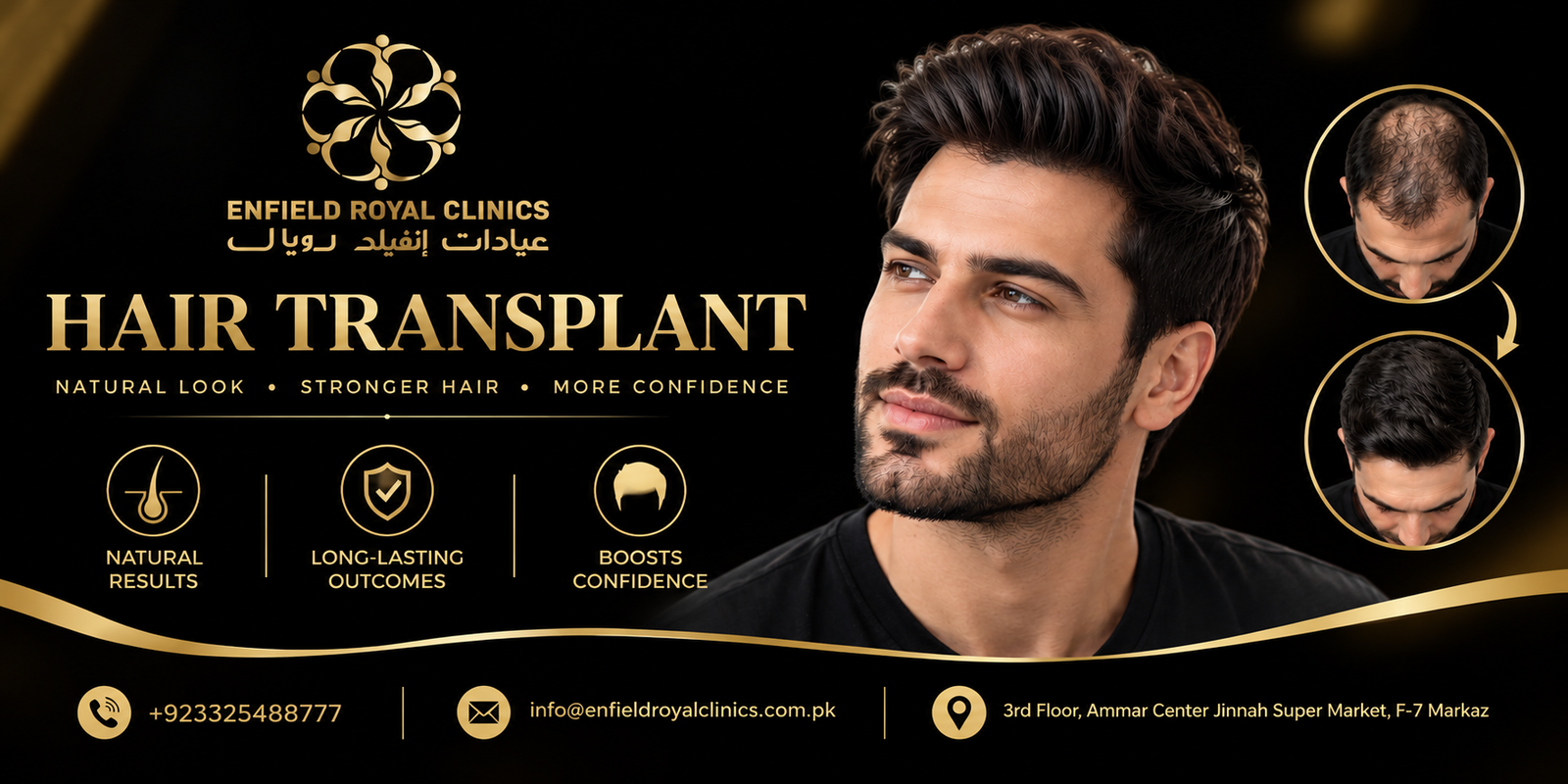
Hair thinning and hair loss can affect a person's appearance, confidence, and daily life. As hair becomes thinner, the scalp may become more visible, especially around the hairline, temples, and crown. For people experiencing noticeable hair loss, a hair transplant may offer a practical way to improve hair density and achieve a fuller-looking appearance.
Hair transplantation is a procedure that moves healthy hair follicles from a donor area, usually the back or sides of the scalp, to areas affected by thinning or baldness. When performed on suitable candidates, it can help restore hair in areas where natural growth has decreased. However, the results depend on several factors, including donor hair quality, the extent of hair loss, scalp health, and the treatment technique.
People considering a hair transplant in Islamabad can benefit from understanding how the procedure works, what density improvements are realistic, and how long the results may take to appear.
How Does a Hair Transplant Improve Hair Density?
Hair density refers to the amount of hair growing within a particular area of the scalp. When hair follicles become weaker or stop producing visible strands, the scalp may appear sparse. A hair transplant addresses this concern by relocating healthy follicles to areas where greater coverage is needed.
During the procedure, hair follicles are collected from a donor area and carefully placed into small openings in the recipient area. These transplanted follicles can continue producing hair after the healing process, provided they remain healthy and establish themselves successfully.
The goal is not always to recreate the exact density of naturally thick hair. Instead, the procedure aims to create a balanced, natural-looking distribution of hair that improves coverage and reduces the visibility of the scalp.
The improvement depends on the number of usable donor follicles, the size of the thinning area, and the thickness and characteristics of the existing hair. Someone with limited hair loss may achieve noticeable coverage with fewer grafts, while a person with extensive baldness may require a more carefully planned approach.
What Factors Affect Hair Density After Transplantation?
Several factors influence how full the hair looks after a transplant. Understanding these elements helps individuals develop realistic expectations.
Donor hair quality: The donor area contains follicles that can be used to cover thinning regions. Strong, healthy follicles generally provide a better foundation for achieving visible coverage. Limited donor hair may restrict the amount of density that can be created.
Hair thickness and texture: Thick hair strands often provide more visual coverage than very fine strands. Curly or wavy hair may also cover the scalp differently from straight hair, depending on its natural pattern.
Size of the recipient area: A small thinning area may be easier to cover than a large bald region. When donor hair is limited, the treatment plan may prioritize important areas, such as the frontal hairline or central scalp.
Scalp condition: The health of the scalp can affect healing and the success of transplanted follicles. Existing skin conditions, inflammation, and certain medical concerns may require assessment before treatment.
Ongoing hair loss: A transplant moves follicles but does not automatically stop hair loss in untreated areas. If surrounding natural hair continues to thin, the overall appearance may change over time. A qualified professional can assess whether additional treatment or maintenance may be appropriate.
Which Hair Transplant Techniques Can Help Restore Density?
Different techniques can be used to collect and transplant hair follicles. The most suitable option depends on the individual's donor area, hair-loss pattern, medical history, and treatment goals.
Follicular Unit Extraction (FUE)
FUE involves collecting individual follicular units from the donor area using a specialized extraction instrument. The follicles are then placed into the thinning or bald areas. This technique does not usually require a long linear incision, although it can leave many small scars that may be difficult to notice when the scalp heals.
FUE may be suitable for individuals who prefer a technique that avoids a linear donor-area scar. The number of grafts that can be collected safely depends on donor density and other individual factors.
Follicular Unit Transplantation (FUT)
FUT involves removing a narrow strip of scalp from the donor area. The strip is divided into individual follicular units under magnification, and those units are transplanted into the recipient area.
This technique can provide a substantial number of grafts in selected cases, but it leaves a linear scar in the donor area. Healing, scar visibility, and suitability vary between individuals.
Both methods can improve hair density when planned carefully. The technique alone does not guarantee a particular result; graft quality, placement, donor capacity, and the individual's healing response remain important.
When Do Hair Density Improvements Become Visible?
Hair transplantation requires patience because visible results develop gradually. The transplanted follicles need time to heal and enter their normal growth cycle.
During the first few days, the scalp may show redness, swelling, tenderness, or small scabs. These effects generally improve as the scalp heals, although recovery differs from person to person.
In the following weeks, many transplanted hair shafts shed. This is a common part of the process and does not necessarily mean the follicles have failed. New growth typically begins after several months, with timing varying between individuals.
A general timeline may look like this:
-
First two weeks: The scalp begins healing, and aftercare instructions are important.
-
First one to three months: Temporary shedding may occur, and visible density may remain limited.
-
Three to six months: Early new growth may become noticeable.
-
Six to twelve months: Hair growth and coverage often become more apparent.
-
Twelve to eighteen months: Further maturation may occur, particularly in some crown areas.
These timeframes are approximate rather than guaranteed. The final appearance depends on follicle survival, hair characteristics, the area treated, and individual growth patterns.
Is Hair Transplant in Islamabad Suitable for Everyone?
A hair transplant may help people with hereditary hair loss, stable areas of baldness, or certain types of hair loss that have been properly assessed. However, not everyone is an appropriate candidate.
A suitable candidate generally has a healthy donor area with enough follicles to support the desired coverage. The individual's hair-loss pattern should also be evaluated to determine whether transplantation is likely to provide a useful improvement.
People experiencing sudden or unexplained hair loss may need a medical assessment before considering surgery. Hair loss caused by nutritional deficiencies, hormonal problems, scalp disorders, or certain medications may require treatment of the underlying cause first.
Age and the likely progression of hair loss also matter. In younger individuals, the future pattern of thinning may not yet be clear. A conservative plan can help avoid an unnatural appearance if hair loss progresses later.
Anyone considering a hair transplant in Islamabad should discuss their expectations, medical history, donor capacity, and possible outcomes with a qualified hair-transplant professional. An examination can help determine whether the procedure is suitable and what degree of density improvement may be realistic.
How Can Patients Support Better Results After a Hair Transplant?
Following aftercare instructions is an important part of protecting the transplanted follicles and supporting recovery. Although proper care cannot guarantee a specific density, it can reduce avoidable complications and help the scalp heal appropriately.
Patients are generally advised to keep the scalp clean according to the recommended washing schedule and avoid rubbing, scratching, or picking at scabs. Any prescribed medication should be used as directed, and strenuous exercise should be avoided for the period recommended by the treating professional.
Smoking, poor nutrition, and certain health conditions may affect healing. A balanced diet containing adequate protein, vitamins, and minerals supports normal hair health, particularly when a deficiency is present. Supplements should not be taken unnecessarily, as they may not improve growth in people who already meet their nutritional needs.
It is also important to attend follow-up appointments so that recovery can be monitored. If there is increasing pain, spreading redness, fever, unusual discharge, or another concerning symptom, medical advice should be sought promptly.
A transplant does not prevent all future thinning. Some individuals may benefit from medically supervised treatments to help manage ongoing hair loss in their existing hair. Such treatments should be selected according to the cause of hair loss, medical history, and professional advice.
What Are the Benefits and Limitations of Hair Transplantation?
The main benefit of hair transplantation is that it can provide lasting hair growth in areas affected by hair loss. When healthy follicles are successfully transplanted, they may continue producing hair for many years. Improved coverage can also make the scalp less visible and create a fuller appearance.
Other potential benefits include a more defined hairline, greater flexibility in styling, and reduced reliance on temporary cosmetic methods for covering thinning areas. Because the transplanted hair comes from the individual's own scalp, it can blend naturally with existing hair when placement and design are appropriate.
However, transplantation has limitations. It cannot create unlimited hair density, and the donor supply is finite. Some people may need more than one procedure to address different areas, while others may not have enough donor hair to achieve their preferred coverage.
Possible risks include infection, bleeding, scarring, temporary numbness, poor growth, an uneven appearance, and dissatisfaction with the cosmetic result. Shock loss, or temporary shedding of existing hair around the treated area, may also occur.
A careful consultation helps balance the potential benefits against these limitations. The best plan focuses on realistic density, natural hair direction, preservation of donor hair, and long-term appearance rather than simply maximizing the number of grafts.
Frequently Asked Questions
1. Can a hair transplant make thin hair look thicker?
Yes, a hair transplant can improve coverage in selected areas by placing healthy follicles where hair has become sparse. The amount of visible improvement depends on donor hair quality, the size of the treated area, and the characteristics of the existing hair.
2. How many grafts are needed to improve hair density?
The required number varies according to the size of the thinning area, the desired coverage, donor hair availability, and individual hair characteristics. A professional scalp assessment is needed to estimate an appropriate graft number.
3. Does transplanted hair remain permanent?
Transplanted follicles often provide long-lasting growth, especially when taken from suitable donor areas. However, results vary, and natural hair surrounding the transplanted follicles may continue to thin with age or hereditary hair loss.
4. How long does it take to see fuller hair after a transplant?
Early new growth may appear after approximately three to six months, while more noticeable improvement often develops over six to twelve months. Some areas, particularly the crown, may take longer to mature, and final results vary between individuals.
In conclusion, hair transplantation can help improve hair density by moving healthy follicles into areas affected by thinning or baldness. The best results depend on careful planning, suitable donor hair, realistic expectations, and appropriate aftercare. A professional assessment can help determine whether the procedure is a suitable option for achieving fuller, natural-looking hair.
