


What Happens During Root Canal Treatment?
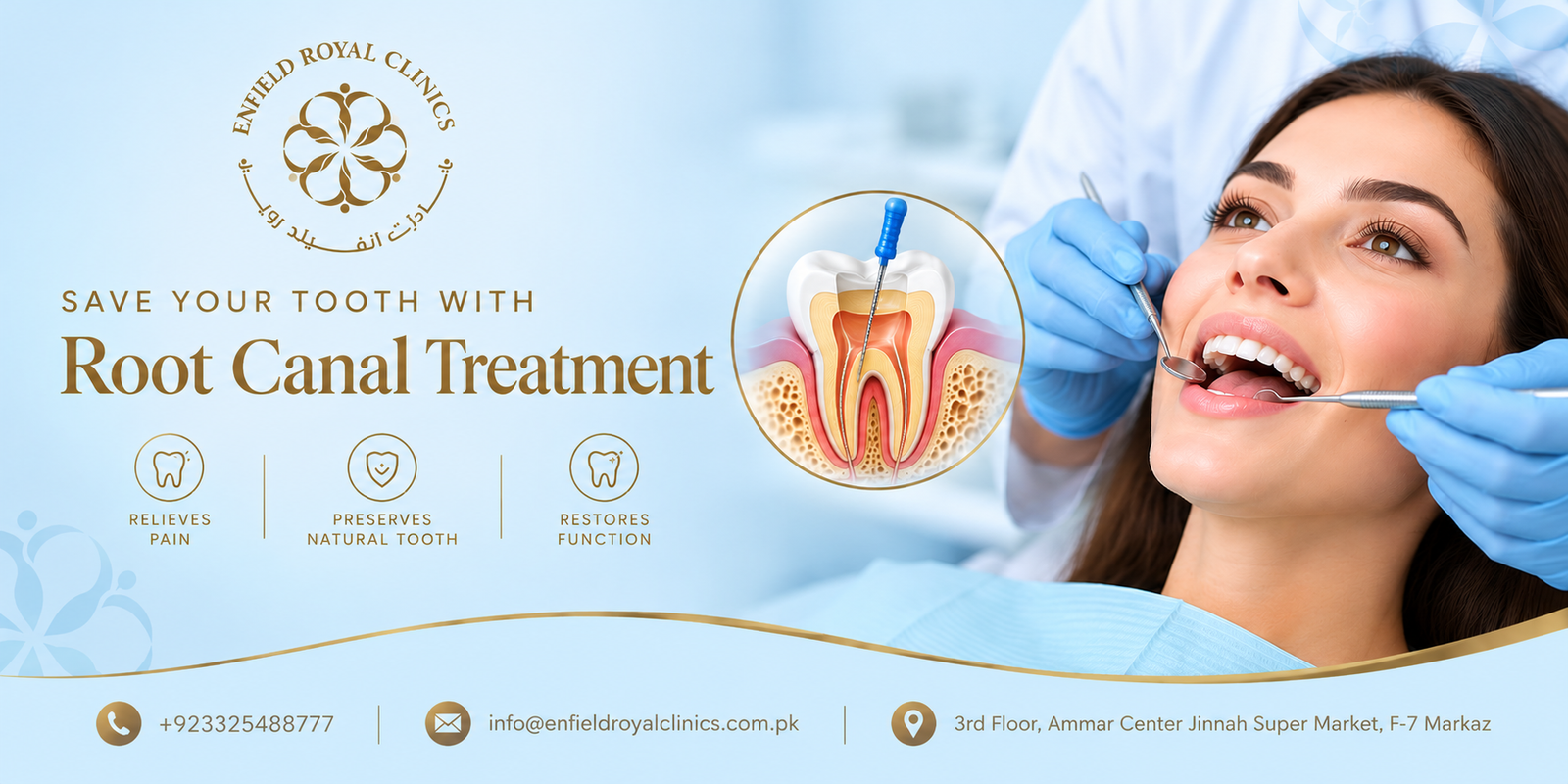
Root canal treatment is a dental procedure designed to save a tooth that has become infected or severely damaged. It is often recommended when bacteria reach the soft tissue inside a tooth, known as the pulp. This tissue contains nerves and blood vessels, and infection can cause persistent toothache, sensitivity, swelling, and discomfort while chewing.
Rather than removing the entire tooth, root canal treatment allows the dentist to remove the infected tissue, clean the inner canals, and seal the tooth to help prevent further infection. With appropriate treatment and restoration, the natural tooth can often remain functional for many years.
People considering Root Canal Treatment in Islamabad may feel uncertain about the procedure, especially if they have never undergone it before. Understanding what happens during each stage can help reduce anxiety and make the treatment process easier to understand. The procedure usually involves an examination, local anesthesia, cleaning, sealing, and restoration, although the exact approach depends on the condition of the tooth.
1. Why Is Root Canal Treatment Necessary?
Root canal treatment becomes necessary when the pulp inside a tooth becomes irreversibly inflamed or infected. This can happen for several reasons, including deep cavities, repeated dental procedures, cracks, or an injury that damages the tooth.
When bacteria enter the pulp, the resulting inflammation can cause significant pain. If the infection progresses, it may spread beyond the root and affect the surrounding tissues, sometimes leading to a dental abscess.
Common symptoms that may indicate a need for root canal treatment include:
-
Persistent or throbbing toothache
-
Lingering sensitivity to hot or cold foods and drinks
-
Pain when biting or chewing
-
Swelling or tenderness around the gums
-
Darkening or discoloration of the affected tooth
-
A small bump on the gums that may release pus
However, these symptoms do not always mean that a root canal is required. Some dental problems can cause similar discomfort and may need different treatment. A dentist must examine the tooth and assess its condition before recommending a procedure.
Early diagnosis is important because treating a damaged tooth before the infection progresses may improve the chances of preserving it.
2. What Happens During the Initial Dental Examination?
The first stage involves identifying the cause of the dental problem and determining whether root canal treatment is appropriate.
The dentist reviews the patient's symptoms, including when the pain started, whether it occurs spontaneously, and whether hot or cold temperatures make it worse. The affected tooth and surrounding gums are then examined for decay, cracks, swelling, or other signs of infection.
Dental X-rays are commonly used to evaluate the roots and surrounding bone. These images can help identify changes near the root tip, reveal the shape of the root canals, and provide information about the extent of the problem.
The dentist may also perform sensitivity tests or gently assess the tooth's response to pressure. These checks help distinguish pulp damage from other causes of toothache.
If the tooth can be restored, root canal treatment may be recommended to preserve it. If the tooth has extensive structural damage or a fracture that makes restoration unreliable, extraction or another treatment may be considered.
For individuals exploring Root Canal Treatment in Islamabad, this initial assessment is an important step because treatment should be based on the specific dental condition rather than symptoms alone.
3. How Is the Tooth Prepared for Root Canal Treatment?
Once the dentist confirms the need for treatment, the affected area is usually numbed with local anesthesia. This helps make the procedure more comfortable by reducing pain during treatment. The patient may still notice pressure or vibration from dental instruments, but sharp pain should be addressed promptly if it occurs.
The dentist may place a dental dam around the tooth. This thin protective sheet isolates the tooth from saliva and helps maintain a clean working area. It also reduces the chance of dental materials or small instruments entering the mouth.
Next, the dentist creates a small opening through the crown, which is the visible part of the tooth. This opening provides access to the pulp chamber and the narrow canals that extend into the roots.
The size and location of the opening depend on the tooth being treated. Careful preparation allows the dentist to reach the affected tissue while preserving as much healthy tooth structure as possible.
Modern dental instruments and appropriate anesthesia have made root canal treatment more manageable for many patients. The procedure is generally intended to relieve the discomfort caused by infection rather than create additional pain.
4. How Does the Dentist Clean and Disinfect the Root Canals?
After accessing the pulp chamber, the dentist removes the infected or damaged pulp tissue. This includes the affected tissue inside the chamber and the root canals.
Small, specialized instruments are used to clean and shape the canals. Because root canals can be narrow, curved, or complex, this stage requires precision. The dentist may use electronic measuring devices and dental imaging to help determine the working length of each canal.
Disinfecting solutions are used during cleaning to help remove debris and reduce bacterial contamination. Thorough cleaning is essential because bacteria can remain in small spaces if the canals are not adequately treated.
The canals are then shaped to prepare them for filling and sealing. This process must be performed carefully to avoid unnecessary damage to the root structure.
Some root canal procedures can be completed in one visit. Others may require multiple appointments, particularly when the infection is extensive, the anatomy is complex, or additional medication and monitoring are needed.
If another visit is necessary, the dentist may place medication inside the tooth and close the opening with a temporary filling. This protects the tooth until the next stage of treatment.
5. How Are the Root Canals Filled and Sealed?
Once the canals have been cleaned and disinfected, the dentist fills them with a suitable material to help prevent bacteria from entering again.
A commonly used material is gutta-percha, which is placed inside the prepared canals along with a dental sealer. The dentist carefully fills the spaces to create a secure seal.
The opening in the crown is then closed with a temporary or permanent filling, depending on the treatment plan. Sealing is an important part of the procedure because bacteria can re-enter the tooth if the restoration becomes damaged or fails to provide an adequate barrier.
After the root canal has been completed, the dentist assesses how much healthy tooth structure remains. A tooth that has lost significant structure may require a dental crown to provide additional strength and protection.
Back teeth often experience substantial chewing forces, so a crown may be recommended more frequently for molars and premolars. The decision depends on the amount of remaining tooth structure, the location of the tooth, and the risk of fracture.
Proper restoration is essential for long-term success. A cleaned and sealed root canal still needs protection against new decay, cracks, and bacterial leakage.
6. What Should Patients Expect After Root Canal Treatment?
Following root canal treatment, some patients experience mild tenderness or sensitivity around the treated tooth. This is often related to inflammation in the tissues surrounding the root and generally improves over several days.
The dentist may provide instructions for managing discomfort and advise whether medication is appropriate. Any prescribed or recommended medication should be taken according to the instructions provided.
Several simple precautions can help protect the treated tooth during recovery:
-
Avoid chewing hard or sticky foods on the tooth while a temporary filling is in place.
-
Follow instructions for completing the permanent filling or crown.
-
Brush twice daily with fluoride toothpaste.
-
Clean between the teeth regularly.
-
Attend recommended follow-up appointments.
-
Avoid using the teeth to bite hard objects such as forceps or packaging.
Patients should contact the dentist if they experience severe or worsening pain, increasing swelling, an uneven bite, or symptoms that do not improve as expected. Facial swelling accompanied by fever or difficulty swallowing requires urgent assessment, while difficulty breathing or swallowing warrants emergency care.
The treated tooth may function normally once it has healed and received the necessary restoration. However, root canal treatment does not make the tooth immune to new cavities or fractures. Ongoing oral hygiene and routine dental checkups remain important.
7. How Can Patients Improve the Long-Term Success of Root Canal Treatment?
The long-term outcome depends on several factors, including the original condition of the tooth, the quality of canal cleaning and sealing, and the final restoration.
Patients can help protect their teeth by addressing cavities early, maintaining a consistent oral hygiene routine, and seeking dental care when they notice persistent pain or sensitivity. Delaying treatment can allow an infection to progress and may make the tooth more difficult to save.
Completing the recommended restoration is equally important. A tooth with a temporary filling should not be left unprotected for longer than advised because the filling may wear down or leak. If a crown is recommended, timely placement can help reduce the risk of fracture.
For people seeking Root Canal Treatment in Islamabad, understanding the full treatment process helps clarify that successful care involves more than removing infected tissue. Proper diagnosis, thorough cleaning, secure sealing, and suitable restoration all contribute to preserving the natural tooth.
For more information visit Enfield royal clinic in islamabad
Frequently Asked Questions
1. Is root canal treatment painful?
Local anesthesia helps numb the affected area during the procedure. Most patients experience pressure or vibration rather than significant pain. Mild tenderness afterward is possible, but it generally improves over a few days.
2. How many appointments are needed for root canal treatment?
Some root canals can be completed in one appointment, while others require two or more visits. The number depends on the tooth's anatomy, the severity of the infection, and whether additional cleaning or monitoring is necessary.
3. Is a crown always required after root canal treatment?
Not every treated tooth requires a crown. However, a crown is often recommended when a tooth has lost substantial structure or needs extra protection against chewing forces. The dentist determines the most appropriate restoration after examining the tooth.
4. How long can a tooth last after root canal treatment?
A properly treated and restored tooth can remain functional for many years. Its longevity depends on the quality of treatment, the amount of healthy tooth structure remaining, oral hygiene, and regular dental care.
