


The Complete Guide to Minimally Invasive Sebaceous Cyst Removal
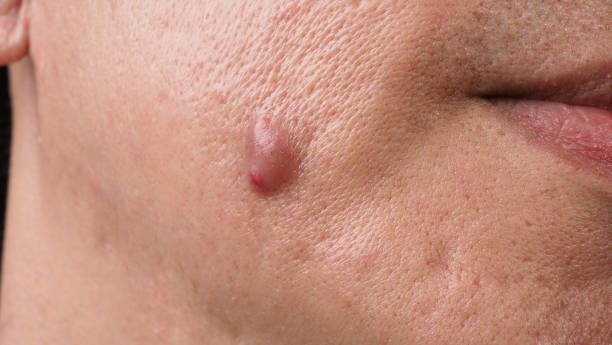
Sebaceous cysts are common skin lumps that can develop on the face, neck, scalp, back, and other areas of the body. Although most are harmless, some may grow, become inflamed, or cause discomfort and cosmetic concerns. Minimally invasive techniques aim to treat selected cysts while limiting the size of the incision and disruption to surrounding tissue. Understanding sebaceous cyst removal helps patients explore modern treatment approaches, learn about their potential benefits, and understand what to expect before and after a procedure. Choosing the right technique depends on the cyst's characteristics and a professional medical assessment.
Many people prefer minimally invasive treatment because they hope for a shorter recovery period, less noticeable scarring, and minimal disruption to daily activities. However, not every cyst is suitable for a small-incision technique, and treatment results vary according to the cyst's size, location, and condition. Learning about Sebaceous Cyst Removal in Riyadh also helps patients understand that the primary treatment goal is to manage the cyst safely and reduce the risk of recurrence. A qualified healthcare professional can explain the available approaches and help determine which option best matches the patient's needs.
What Is Minimally Invasive Sebaceous Cyst Removal?
Minimally invasive sebaceous cyst removal refers to techniques designed to access and treat a cyst through a relatively small incision or limited disruption to the surrounding skin. The term commonly includes selected small-incision excision techniques and, in some cases, laser-assisted approaches. The exact method depends on the cyst's size, depth, location, and condition. Importantly, a small opening used to drain a cyst is not necessarily the same as complete removal. When appropriate, removing the entire cyst sac helps reduce the likelihood of recurrence.
How Do Sebaceous Cysts Develop?
The term sebaceous cyst is often used to describe epidermoid or pilar cysts, which contain keratin beneath the skin. These lumps may develop when skin cells become trapped or when a hair follicle is affected. Cysts often grow slowly and may remain painless for years. However, they can become irritated, rupture, or develop inflammation. A healthcare professional should assess a new, rapidly growing, painful, or unusual lump before any removal technique is selected.
Common Minimally Invasive Treatment Techniques
Several approaches may be considered depending on the cyst's condition and the clinician's assessment.
Small-Incision Surgical Excision
A clinician makes a relatively small incision and carefully separates the cyst from surrounding tissue. The aim is to remove the cyst and its sac while limiting unnecessary disruption to the skin. This technique may be suitable for selected uncomplicated cysts, although incision size depends on the cyst's characteristics.
Laser-Assisted Removal
In selected cases, laser energy may be used to create an opening or assist with a removal technique. Whether the cyst sac can be completely removed depends on the specific method. Patients should ask the clinician whether the procedure is intended to remove the entire sac or simply drain the contents.
Incision and Drainage
When a cyst develops an abscess, a clinician may recommend drainage to relieve pressure and discomfort. This approach can be useful for managing an acute problem, but it usually leaves the cyst sac behind. Complete removal may be considered after inflammation settles.
Benefits of Minimally Invasive Cyst Removal
For suitable cysts, a minimally invasive approach may offer several potential advantages. The actual results depend on the technique and the individual's healing response.
Smaller Incisions
Some techniques use a smaller opening than conventional excision. This may help limit the size of the wound, although the incision must still allow the clinician to treat the cyst appropriately.
Potentially Less Noticeable Scarring
A smaller incision may contribute to a less noticeable scar in selected cases. However, scarring is influenced by the cyst's location, wound closure, skin characteristics, and individual healing. No procedure can guarantee scar-free results.
Recovery and Wound Care
Some patients may experience a relatively straightforward recovery after treatment of an uncomplicated cyst. Nevertheless, recovery depends on the procedure, wound size, and individual circumstances. Following the clinician's aftercare instructions remains essential.
Treatment Tailored to Individual Needs
Minimally invasive techniques can be considered alongside conventional excision to find an appropriate treatment for each patient. A personalized plan takes into account symptoms, cosmetic concerns, the likelihood of recurrence, and the cyst's condition.
Who Is a Suitable Candidate?
Minimally invasive removal may be suitable for some patients with small, uncomplicated cysts. However, larger, deeper, recurrent, infected, or severely inflamed cysts may require a different approach. The healthcare professional will examine the lump and review relevant medical history before recommending treatment. Patients should mention allergies, medications, and conditions that may affect wound healing. A consultation helps establish realistic expectations and determine whether a minimally invasive technique is appropriate.
What to Expect During the Procedure
The process generally begins with an examination and discussion of the recommended treatment. The clinician cleans the treatment area and commonly uses local anesthesia to minimize discomfort during removal. A small incision is made when appropriate, and the cyst is carefully treated using the selected technique. If complete excision is intended, the clinician aims to remove the surrounding sac as well. The wound may be closed with stitches or dressed according to the procedure. Before leaving, patients receive wound-care instructions and guidance about follow-up.
Recovery Tips After Minimally Invasive Removal
Proper aftercare supports healing and helps reduce the risk of complications. Keep the wound clean according to your clinician's instructions, change dressings as directed, and avoid squeezing, scratching, or picking at the area. Follow medical advice about bathing, exercise, and activities that may stretch the incision. Attend recommended follow-up appointments, including stitch removal if required. Contact a healthcare professional if you notice spreading redness, increasing pain, significant swelling, pus, or fever.
Risks and Limitations to Understand
Although minimally invasive cyst removal may be appropriate in selected cases, potential risks include infection, bleeding, scarring, and recurrence. If the cyst sac remains, the lump may return even if its contents have been removed. Some cysts cannot be treated effectively through a very small incision, and inflamed or infected cysts may need treatment before complete excision. Discussing these limitations with a qualified healthcare professional helps patients make informed decisions rather than choosing a technique based on its name alone.
Choosing Professional Cyst Removal in Riyadh
When considering Sebaceous Cyst Removal in Riyadh, choose a qualified healthcare provider who can explain the available techniques, assess the cyst, and discuss the potential benefits and limitations of each approach. Ask whether complete removal of the cyst sac is planned, what scarring may be expected, and how recovery will be managed. Professional assessment helps ensure that treatment is selected according to your medical needs and supports informed decisions about your skin health.
Book Your Appointment at Royal Clinic Saudia
If you have a persistent or uncomfortable skin lump and want to explore minimally invasive treatment options, contact Royal Clinic Saudia to inquire about consultation availability. A healthcare professional can assess the affected area, explain suitable removal techniques, and discuss recovery and aftercare. Arrange an appointment to learn more about appropriate treatment for your skin concerns.
FAQs:
Is minimally invasive sebaceous cyst removal painful?
Local anesthesia helps minimize pain during the procedure, although mild soreness may occur afterward.
Does minimally invasive removal prevent cyst recurrence?
Removing the entire cyst sac reduces the risk, but recurrence is still possible.
Will minimally invasive cyst removal leave a scar?
A scar is possible, although some techniques may result in smaller incisions.
How long does recovery take?
Minor wounds may heal within a few weeks, depending on the procedure and individual healing.
