


What Will Extended Producer Responsibility Mean for the Dutch Clothing Market?
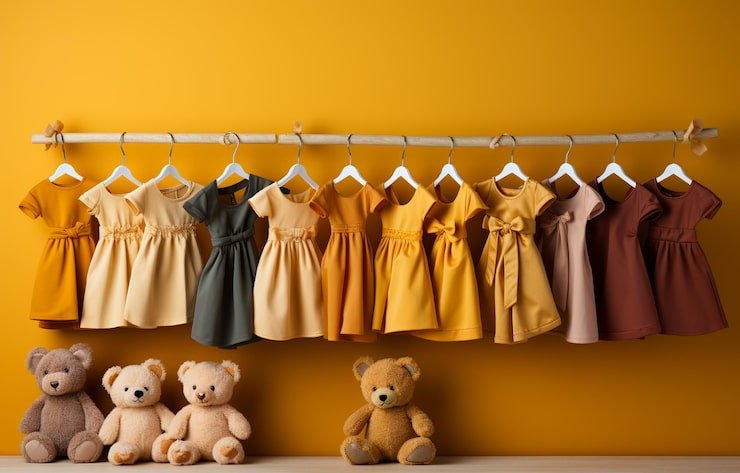
Children’s clothing in the Netherlands is increasingly shaped by practicality, durability, digital shopping, and a national push toward a more circular textile economy. Parents need garments that can cope with frequent washing and active everyday use, while children quickly outgrow clothing that may still have significant usable life. These characteristics make childrenswear particularly relevant to reuse, resale, repair, and recycling initiatives.
According to a Vyansa Intelligence report, the Netherlands childrenswear market was valued at USD 2.19 billion in 2025 and is projected to reach USD 2.35 billion by 2032, representing a 1.01% CAGR during 2026–2032.
Practicality Remains Central to Children’s Clothing
Parents generally need children’s apparel to perform well in everyday situations. Comfortable fabrics, freedom of movement, easy washing, durable stitching, and practical fastenings can be just as important as appearance.
The requirements also change as children get older. Baby and toddler clothing tends to emphasize softness and convenience, while school-age children require apparel suitable for education, outdoor activities, sports, and social occasions.
For a Netherlands childrenswear market analysis, this combination of functionality and frequent replacement creates a distinctive purchasing cycle compared with many adult clothing categories.
The Netherlands Has a Significant Child Consumer Base
Demographics provide an important foundation for recurring childrenswear requirements. Statistics Netherlands (CBS) reported that the country had more than 18.1 million residents at the beginning of 2026. Its latest population tables also show substantial numbers of children across individual age groups, including approximately 938,000 children aged 10–14.
Children naturally move through sizes as they develop, creating regular requirements for trousers, shirts, jackets, dresses, footwear, sports clothing, and seasonal apparel.
However, frequent size changes also mean garments can become unsuitable before reaching the end of their physical lifespan. This makes childrenswear particularly compatible with second-hand purchasing and clothing reuse.
Circularity Is Becoming More Important to Fashion
The Netherlands is actively working toward a more circular textile system.
The Dutch government states that textile production consumes substantial amounts of land, water, energy, and chemicals. Its long-term objective is for textiles to be produced entirely from recycled or sustainable materials by 2050.
These detailed childrenswear industry insights are especially relevant because children can outgrow garments relatively quickly. Clothing designed for durability can potentially be handed down, resold, donated, or reused rather than immediately becoming waste.
Producers Now Have Responsibility After Clothing Is Discarded
One of the most important developments affecting Dutch apparel businesses is extended producer responsibility (EPR) for textiles.
Since July 2023, producers supplying clothing and certain household textiles in the Netherlands have been responsible for what happens to these products after consumers discard them. Companies must support appropriate collection systems and contribute to reuse and recycling.
For a childrenswear industry report, this changes the conversation around product design. Durability, material selection, recyclability, and end-of-life handling increasingly have implications beyond consumer preferences alone.
Reuse Targets Can Strengthen Second-Hand Clothing
The Dutch textile framework establishes increasingly ambitious requirements for reuse and recycling.
Official business guidance states that producers must prepare at least 50% of the previous year’s textile volume for reuse or recycling in 2025, with the threshold increasing by five percentage points annually until reaching 75% in 2030.
This regulatory direction can support stronger collection and sorting infrastructure.
Children’s apparel is particularly suitable for reuse when garments remain in good condition because sizing changes can occur faster than physical deterioration.
Resale Fits Naturally With Childrenswear
Second-hand purchasing can offer families practical financial and environmental benefits. Parents can acquire clothing for rapidly changing sizes without paying the full price of new garments, while sellers can extend the usable life of clothing their children no longer need.
Digital resale platforms make this model increasingly convenient by allowing families to list clothing according to size, brand, condition, and product type.
Importantly, Dutch textile EPR requirements do not apply to sellers of second-hand textile products.
For the latest childrenswear industry analysis, resale therefore represents more than an alternative retail channel—it fits directly into the country’s wider emphasis on extending product lifetimes.
Durability Can Become a Stronger Product Attribute
Circularity gives durability additional commercial relevance.
Children’s clothing designed to survive repeated washing and everyday activity has a greater chance of being passed between siblings or sold to another family. Strong seams, dependable fasteners, resilient fabrics, and designs that remain usable over time can therefore contribute to both practical value and circularity.
Brands may increasingly need to think about garments beyond the first purchaser.
A well-made item capable of maintaining quality through multiple users can support a different value proposition from low-cost clothing intended primarily for short-term ownership.
Recycling Is Becoming Part of Apparel Responsibility
Not every garment can be reused indefinitely. Damaged or heavily worn clothing eventually requires recycling or other appropriate processing.
The Dutch government’s Policy Programme for Circular Textile 2025–2030 identifies recycling as an essential part of the circular textile chain because all products ultimately reach the end of their useful lives. Recycling can reduce textile waste while replacing some demand for virgin raw materials.
This creates incentives for manufacturers to consider how fabric blends, trims, buttons, zippers, prints, and other components affect recyclability.
Digital Retail Can Improve Convenience for Parents
Online shopping is particularly useful in childrenswear because parents frequently know the garment type and approximate size they require.
Digital channels make it possible to compare sizes, styles, prices, materials, and availability without visiting multiple physical stores. They also allow brands to offer broader inventories than individual retail locations can accommodate.
However, accurate sizing information remains critical. Detailed measurements, fabric descriptions, photographs, care instructions, and straightforward return processes can reduce uncertainty when parents purchase clothing online.
Circular Design Can Shape the Next Phase of Dutch Childrenswear
Children’s fashion in the Netherlands is increasingly connected with a broader transformation in how textiles are produced, used, collected, and recycled.
The Dutch government’s second circular textiles programme covers 2025–2030 and continues the country’s pathway toward a fully circular textile chain by 2050.
For childrenswear companies, this creates opportunities to think beyond conventional seasonal collections. Durable construction, recycled or sustainable materials, take-back systems, repairability, resale, and designs capable of serving multiple users can become increasingly meaningful.
Dutch families will continue to prioritize comfort, affordability, practicality, and style. But as circularity becomes more deeply integrated into national textile policy, brands that combine these traditional requirements with longer product lifecycles and responsible end-of-life solutions can become particularly relevant to the future of children’s fashion.
