


AI SEO Tools: How Artificial Intelligence Is Changing Search Optimization
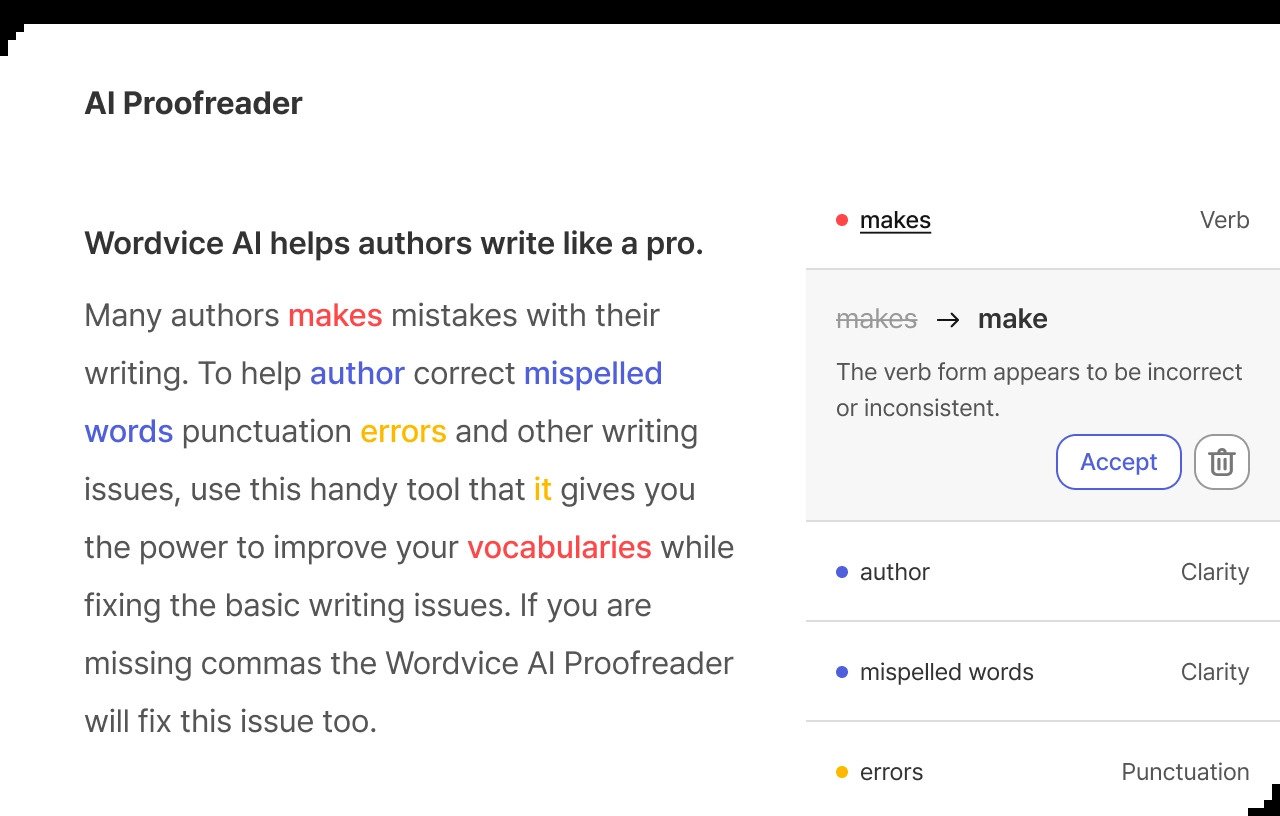
Search engine optimization has become more complex than simply adding keywords to a page. Search engines now evaluate content relevance, search intent, topical coverage, user experience, internal linking, technical signals, and many other factors when determining which pages deserve visibility.
This is where AI SEO tools can make SEO workflows faster and more data-driven.
Instead of manually analyzing keywords, competitors, content quality, metadata, and rankings across multiple platforms, marketers can use AI-powered SEO software to bring many of these tasks into one workflow.
What are AI SEO Tools?
AI SEO tools use artificial intelligence and automation to assist with different search optimization tasks. Depending on the platform, these tools can help with keyword research, content optimization, competitor analysis, technical SEO, meta tags, rank tracking, and content scoring.
The goal isn't to replace SEO expertise. Instead, AI can reduce repetitive work and help marketers identify optimization opportunities more efficiently.
For example, an SEO professional may spend hours comparing competitor pages and analyzing keyword opportunities. An AI-powered platform can help organize this information and provide actionable recommendations much faster.
Why Are AI SEO Tools Becoming More Important?
Traditional SEO requires continuous research and optimization.
A website may need to:
-
Find relevant keywords
-
Analyze search intent
-
Research competitors
-
Create optimized content
-
Improve title tags and meta descriptions
-
Optimize headings
-
Strengthen internal links
-
Monitor keyword rankings
-
Identify content gaps
-
Update existing pages
Doing all of this manually can become difficult when managing dozens or hundreds of pages.
AI SEO tools can help automate portions of this workflow, allowing marketers to spend more time on strategy, content quality, and business growth.
1. AI Keyword Research
Keyword research remains one of the foundations of SEO.
AI-powered keyword analysis can help identify valuable search opportunities based on factors such as search demand, competition, relevance, and user intent.
Instead of focusing only on high-volume keywords, marketers can discover related terms and lower-competition opportunities that may be easier to target.
A stronger keyword strategy should consider:
-
Primary keywords
-
Secondary keywords
-
Long-tail searches
-
Related topics
-
Question-based searches
-
Search intent
-
Commercial and informational queries
This creates a broader content strategy rather than optimizing every page around a single keyword.
2. Competitor and Content Gap Analysis
Your competitors can provide valuable information about what works within your industry.
AI SEO software can help identify keywords competitors are targeting and uncover topics or queries that your website has not yet addressed.
For example, imagine a company selling project management software. Competitors may rank for topics such as:
-
Project management software
-
Team collaboration tools
-
Project planning software
-
Remote project management
-
Project management templates
A content gap analysis can reveal opportunities to create pages that cover relevant subjects competitors already address successfully.
3. AI-Powered Content Optimization
Creating content is only one part of SEO.
A page also needs to be properly optimized.
AI SEO tools can analyze content and provide suggestions related to keyword usage, headings, structure, relevance, and other on-page elements.
This can be especially useful when optimizing older content.
Instead of rewriting an entire article from scratch, marketers can identify specific areas that need improvement and update them strategically.
4. On-Page SEO Optimization
On-page SEO includes many elements beyond the visible text.
Important areas include:
-
Title tags
-
Meta descriptions
-
H1 and H2 headings
-
Keyword placement
-
Internal links
-
Content structure
-
Image optimization
-
Search intent alignment
AI-powered SEO platforms can analyze these elements and provide optimization suggestions.
For larger websites, this can significantly reduce the amount of manual checking required for every page.
5. Better Meta Titles and Descriptions
A strong page can still lose clicks if its search result doesn't communicate value.
AI can help generate and improve meta titles and descriptions based on the target keyword and page content.
For example, instead of creating a generic title such as:
SEO Software | Company Name
A more descriptive version could be:
AI SEO Tools for Keyword Research & Content Optimization
The second title communicates what the page offers while incorporating a relevant search term.
However, AI-generated metadata should always be reviewed by a human to ensure that it accurately represents the page.
6. SEO Content Scoring
Another useful application of AI is content scoring.
An SEO content score can provide a quick way to evaluate whether an article or landing page is sufficiently optimized before publication.
Rather than treating a score as a guaranteed ranking prediction, marketers should use it as a diagnostic tool.
The real objective should be creating useful content that satisfies the searcher's intent while covering the subject thoroughly.
7. Rank Tracking and Performance Monitoring
SEO doesn't end when a page is published.
Rankings can change as competitors publish new content, search algorithms evolve, and websites gain or lose authority.
Rank tracking allows marketers to monitor keyword positions and identify changes over time.
This information can help answer questions such as:
-
Which keywords are improving?
-
Which pages are losing visibility?
-
Which content needs an update?
-
Which topics are generating growth?
-
Where are competitors gaining ground?
AI can make it easier to turn this data into actionable optimization decisions.
Why an All-in-One AI SEO Workflow Can Be Useful
Using separate platforms for keyword research, competitor analysis, content optimization, metadata, and rank tracking can create a fragmented workflow.
An integrated SEO platform can bring several of these activities together.
Pyxa AI's SEO Tools combines AI keyword intelligence, SEO-ready templates, rank tracking, content scoring, on-page optimization, competition gap analysis, meta title and description generation, and WordPress publishing in one workflow.
This can help marketers move from research to optimization and publishing without constantly switching between different tools.
How to Use AI SEO Tools Effectively
AI should support your SEO strategy rather than replace it.
A practical workflow is:
Step 1: Identify Your Target Audience
Understand who you want to attract and what problems they are trying to solve.
Step 2: Research Keywords
Identify relevant keywords and group them according to search intent.
Step 3: Analyze Competitors
Study competing pages to identify content opportunities and gaps.
Step 4: Create Helpful Content
Build content that answers the user's actual question rather than simply inserting keywords.
Step 5: Optimize the Page
Improve headings, metadata, internal links, keyword targeting, and content structure.
Step 6: Publish and Monitor
Track rankings and performance after publication.
Step 7: Update Regularly
Use performance data to identify pages that can be improved.
Final Thoughts
AI SEO tools are changing how marketers approach search optimization. They can reduce repetitive tasks, accelerate keyword research, identify competitor gaps, improve on-page optimization, and make SEO performance easier to monitor.
However, successful SEO still requires strategy, experience, quality content, and an understanding of the audience.
The best approach is to combine AI-powered efficiency with human SEO expertise .
For marketers looking for an integrated workflow, Pyxa AI's SEO Tools provides features for keyword intelligence, competitor analysis, content scoring, on-page optimization, metadata generation, rank tracking, and WordPress publishing.
When used properly, AI doesn't make SEO less strategic. It gives marketers more time to focus on the decisions that matter most.
