


What Makes Someone a Good Candidate for Sideburn Hair Transplant in Dubai?
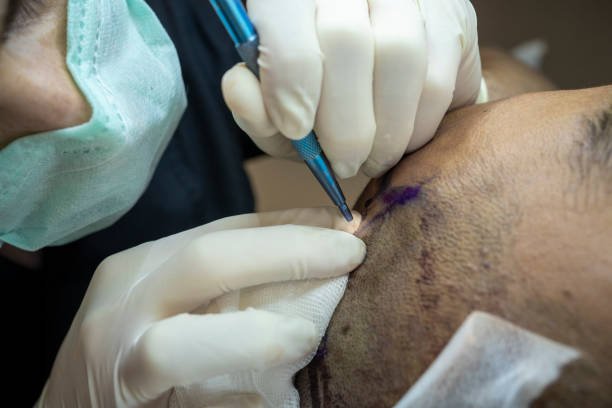
A good candidate for Sideburn Hair Transplant in Dubai generally has a stable area of sideburn hair loss or significant sparsity, sufficient suitable donor follicles, and realistic expectations about what transplantation can achieve. Suitability also depends on the condition of the recipient skin, the cause of hair loss, facial hair characteristics, and whether the desired design is medically and aesthetically appropriate.
Being concerned about sparse sideburns alone does not automatically mean a transplant is necessary.
Stable Hair Loss Is an Important Starting Point
A sideburn transplant is usually more appropriate when the area requiring restoration has a reasonably stable pattern of hair loss.
If hair loss is actively progressing, the underlying cause may need to be evaluated first.
The Cause of Hair Loss Matters
Sideburn thinning can have different causes, including:
- Genetics
- Natural variation
- Previous trauma
- Scarring
- Surgical changes
- Localized follicular loss
- Aging-related changes
Understanding why the hair is missing helps determine whether transplantation is appropriate.
Adequate Donor Hair Is Necessary
Hair transplantation moves follicles from one area to another.
The donor region therefore needs to provide suitable follicles without creating an unacceptable reduction in donor density.
Donor Hair Is Assessed for More Than Quantity
The surgeon may consider:
- Hair caliber
- Texture
- Follicular unit characteristics
- Density
- Growth pattern
- Donor stability
The suitability of the donor area is individualized.
Existing Facial Hair Can Help With Planning
Patients with partial sideburn growth may have useful reference points for reconstruction.
Existing follicles can show the natural direction, density, and shape of the sideburn.
This information can help the surgeon develop a more anatomically appropriate design.
The Recipient Skin Needs to Be Assessed
Healthy skin generally provides a more straightforward environment for follicular implantation.
However, patients with scars or previous trauma may still be candidates in selected cases, depending on tissue quality and scar stability.
Previous Scarring Does Not Automatically Exclude Treatment
A scarred recipient area requires additional evaluation.
The surgeon needs to determine whether the tissue is stable and suitable for graft placement and whether the expected result is realistic.
Facial Hair Characteristics Influence Suitability
A candidate's existing facial hair provides important context.
For example, someone with very fine facial hair may require a different restoration strategy from someone with naturally dense, coarse growth.
The available donor follicles also need to be compatible with the intended design.
Facial Proportions Are Considered Before Treatment
Sideburns influence the visual framing of the face.
A candidate assessment should therefore look beyond the isolated hairless area and consider the relationship between the sideburn, temple, cheek, ear, beard, and jawline.
A Suitable Design Must Fit the Face
A transplant may technically restore hair while still producing an unbalanced appearance if the proposed sideburn shape does not suit the patient's anatomy.
Design is therefore part of candidacy.
Grooming Habits Can Affect Treatment Planning
Patients who frequently shave, fade, trim, or closely style their sideburns should mention their grooming habits during consultation.
Short grooming can make density and hair direction more visible.
Desired Hairstyle Should Be Discussed Early
A sideburn design intended for a long beard may differ from one intended for a very short, sharply defined facial hairstyle.
The surgeon can take the patient's usual grooming preferences into account.
Realistic Expectations Are Essential
A transplant can redistribute available follicles, but it cannot create unlimited new donor hair.
Patients should understand the limitations of the available donor supply and the biological growth process.
Natural Results Matter More Than Promises
The aim is generally to create a sideburn that fits the face and blends with existing facial hair.
Expectations should be based on the patient's anatomy rather than on another person's result.
Patients With Unstable Hair Loss May Need Further Evaluation
If hair loss is changing rapidly, the cause may need to be investigated before proceeding.
Treating an unstable pattern without understanding its progression may produce a result that becomes less balanced if additional hair loss occurs.
The appropriate timing should be determined through clinical assessment.
Younger Patients May Need More Careful Planning
Age alone does not determine candidacy.
However, younger patients may still be experiencing changes in facial hair density or pattern. The long-term design therefore needs to be considered carefully.
Future Hair Patterns Matter
A sideburn design should make sense not only for the patient's current appearance but also for a realistic long-term facial hair pattern.
This is one reason individualized consultation is important.
A History of Trauma Can Be Relevant
Patients who lost sideburn hair after an accident, burn, or surgical procedure may be candidates for reconstructive transplantation.
The condition and stability of the affected tissue need to be assessed before treatment.
Medical and Skin History Should Be Discussed
A complete consultation should include relevant information about previous procedures, skin conditions, medications, healing history, and other factors that may influence treatment.
Patients should provide accurate information so the clinical team can evaluate suitability responsibly.
Clinic note: Candidacy is determined individually. A suitable donor area, stable hair-loss pattern, appropriate recipient skin, realistic expectations, and an achievable facial design are all important considerations before sideburn transplantation.
Signs That a Consultation May Be Appropriate
You may benefit from an assessment if you have:
- Permanently sparse sideburns
- Noticeable sideburn asymmetry
- A localized hairless area
- Hair loss following trauma
- A previous surgical scar affecting sideburn growth
- Naturally limited sideburn development
- A stable area where you want greater facial-hair definition
An assessment is still necessary to determine whether transplantation is appropriate.
When Non-Surgical Options May Be Considered
Not every person with sparse sideburns requires surgery.
Depending on the underlying cause, age, progression, and desired outcome, other approaches may sometimes be considered.
A consultation helps distinguish between a situation that may benefit from transplantation and one where another strategy may be more appropriate.
Why a Personalized Assessment Matters
Sideburn restoration is a facial procedure, so the same treatment plan cannot be applied to every patient.
The assessment should consider:
- Cause of hair loss
- Stability of the pattern
- Donor supply
- Hair texture
- Facial proportions
- Skin condition
- Existing facial hair
- Grooming preferences
- Desired sideburn design
- Long-term expectations
These factors collectively determine candidacy.
Evaluating Your Suitability for Sideburn Hair Transplant in Dubai
For anyone considering Sideburn Hair Transplant in Dubai, the most useful first step is a personalized consultation rather than assuming that every sparse sideburn requires transplantation.
Tajmeels Clinic can assess the donor area, sideburn structure, facial hair pattern, skin condition, and restoration goals.
A careful evaluation can help determine whether transplantation is appropriate and what type of result is realistically achievable for your individual facial anatomy.
