


Key Trends and Innovations Shaping the Home Decor Market
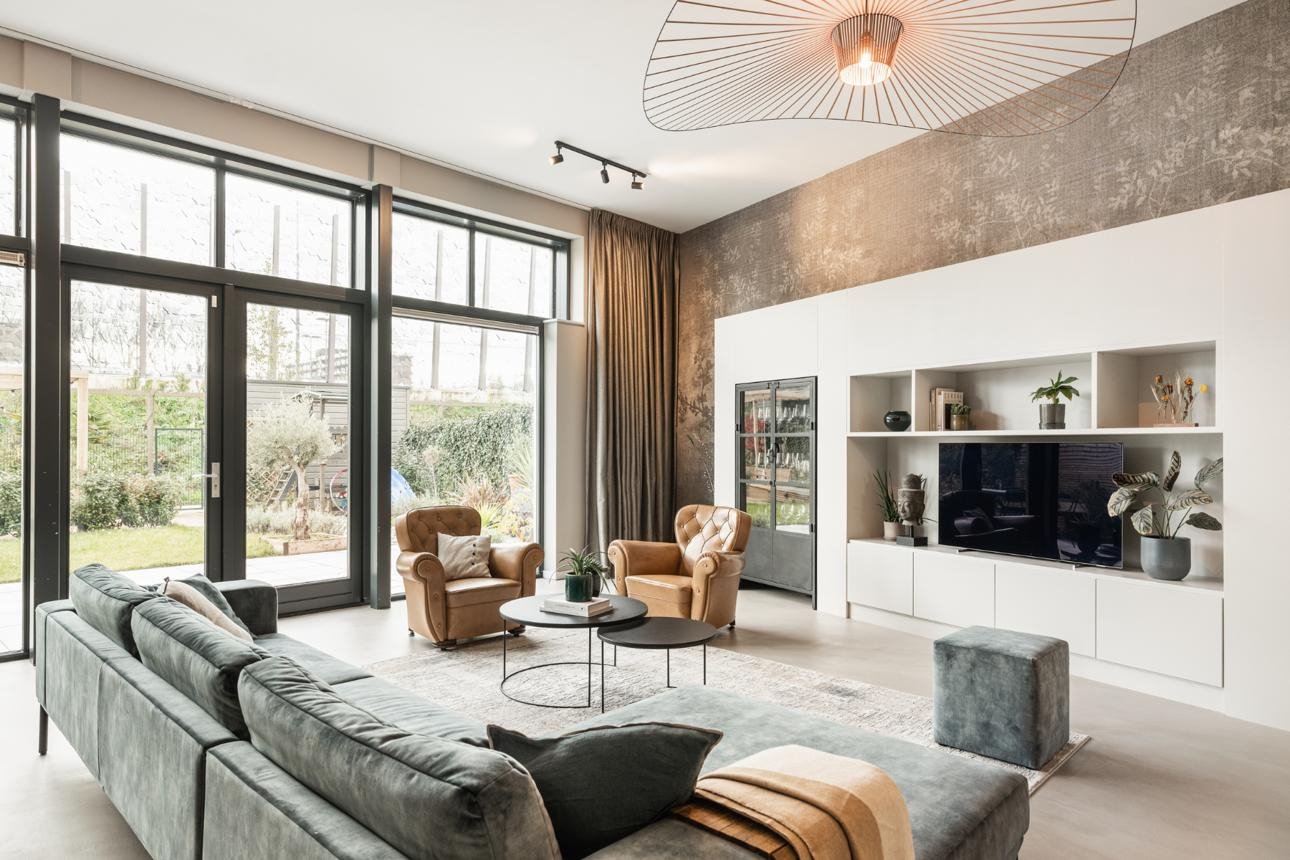
The Home Decor Industry is undergoing significant transformation, driven by the integration of AI and AR, a focus on sustainability, and the rise of wellness-centric interiors. According to a Home Decor Industry analysis, key trends include the democratization of design through AI, the adoption of circular economy models, and the increasing importance of digital product passports. These trends are reshaping the industry and creating new opportunities for growth.
Market Dynamics
AI-Powered Design Democratization
Generative AI tools are set to transform the home decor market by enabling consumers to create custom interior decoration product designs from text prompts . Platforms integrating AI design studios and retail visualization tools could reduce custom-furniture lead times and expand the addressable market for personalized home furnishing. AI-driven personalization engines are being used by major retailers to tailor seasonal home decoration items to individual browsing patterns . This trend is making professional-grade design accessible to a wider audience.
Circular Economy and Take-Back Infrastructure
The industry is moving towards circular economy principles, focusing on product durability, repairability, and recyclability. By 2030, an estimated 30% of European furniture sales will operate under take-back or refurbishment models . This shift will create secondary-market platforms for wall art and decorative accessories and embed lifecycle thinking into the home decor value chain. Manufacturers are promoting longer warranties, modular components, and easier servicing as differentiators .
Sustainability and Digital Product Passports
Sustainability is a dominant trend, with the EU's Ecodesign for Sustainable Products Regulation mandating digital product passports for furniture sold in the EU starting in 2027 . This will require full traceability of raw materials, accelerating transparency across the home decor supply chain. Retailers and brands are adapting through sustainability initiatives, using certified and recycled materials to meet consumer expectations .
Wellness-Centric Interiors
The concept of wellness-centric interiors is gaining traction, driven by consumer focus on health and well-being. This includes the use of low-VOC finishes, antimicrobial textiles, and circadian-rhythm-aligned decorative lighting . Health-conscious consumers are treating interior decoration products as wellness investments, which supports premium pricing and margin expansion through 2035. Biophilic design—integrating natural materials, living walls, and organic textures—is creating new sub-categories within decorative lighting and rugs .
Regional Outlook
The innovation trends are most pronounced in North America and Europe, where high consumer awareness and regulatory support drive demand for sustainable and technologically advanced products. The Asia-Pacific region is rapidly adopting these trends, driven by a growing middle class and increasing interest in design and technology.
Competitive Landscape
The competitive landscape is increasingly defined by the ability to innovate in sustainability, technology, and personalization. Companies that can offer smart, eco-friendly, and personalized products are gaining a competitive edge. Vertical integration efforts across the interior finishing sector help stabilize costs and protect margins amidst raw material volatility .
Conclusion
The Home Decor Industry is evolving through innovation in AI-powered design, circular economy models, and wellness-centric interiors. Companies that can successfully lead in these areas are well-positioned for future growth.
FAQs
1. What are the key innovation trends in the Home Decor Industry?
Key trends include AI-powered design democratization, the adoption of circular economy and take-back infrastructure, and the rise of wellness-centric interiors and digital product passports .
2. How is technology impacting the home decor market?
Technology is being integrated through AI-powered personalization, AR-based visualization tools for virtual product placement, and smart-home integration in decorative lighting and accessories .
