


DHI Direct Hair Implant in Dubai for Curly and Wavy Hair
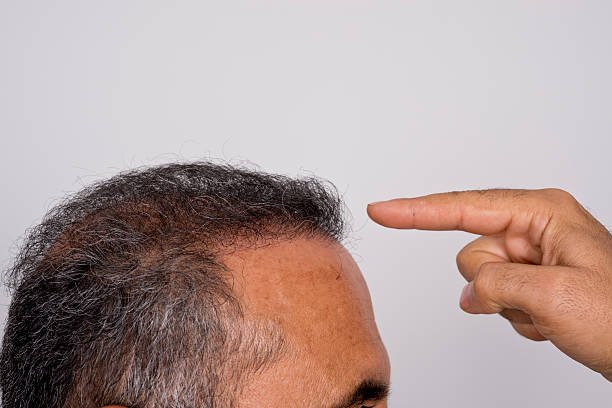
Curly and wavy hair can create a distinctive advantage in visual coverage, but the follicle itself may require more careful planning during extraction and implantation. DHI Direct Hair Implant in Dubai can be considered for patients with textured hair when graft characteristics, curl pattern, and donor-area anatomy are properly evaluated.
The important point is that curly hair should not simply be treated like straight hair with a different styling preference. The curvature of the follicle beneath the skin can influence extraction technique, graft handling, and implantation planning.
Why Curly Hair Requires Detailed Planning
The visible curl above the scalp is only part of the picture.
Some curly or tightly textured hair has a follicle that changes direction beneath the scalp. This can make the extraction pathway less predictable than it appears from the surface.
The Follicle Is Not Always Straight
With straight hair, the visible shaft can provide a relatively clear indication of the follicle's direction.
With curly hair, the follicle may curve beneath the skin. This means extraction requires careful attention to follicular orientation to reduce unnecessary trauma to the graft.
Hair Characteristics Also Affect Coverage
Curly hair can create greater visual fullness because the strands occupy more three-dimensional space.
This does not mean fewer grafts are automatically required. Graft planning still depends on the area being treated, existing density, hair calibre, donor supply, and the desired coverage.
DHI Direct Hair Implant in Dubai for Textured Hair
DHI involves placing extracted follicular units into recipient areas with an implanter device.
For curly or wavy hair, the procedure requires attention to both the graft itself and the direction in which it should ultimately emerge from the scalp.
Matching the Existing Curl Pattern
Newly placed follicles need to integrate visually with surrounding hair.
The clinician may consider the existing curl direction, hair calibre, density, and transition between native and transplanted follicles when planning the recipient area.
Avoiding a Mechanical Appearance
Hair that grows in a rigid or inconsistent direction can become noticeable even when density is adequate.
Recipient-site orientation therefore matters. The objective is to create continuity with the patient's existing growth pattern rather than placing every graft at an identical angle.
Donor Assessment for Curly Hair
The donor area requires particular attention before treatment.
The clinician needs to understand how the follicles behave beneath the skin and how the hair texture varies across the donor region.
What May Be Assessed
A consultation can include:
- Hair shaft calibre
- Curl or wave pattern
- Donor density
- Follicular-unit composition
- Direction of follicular growth
- Scalp characteristics
- Existing hair-loss pattern
- Previous scalp procedures
This information helps determine the safest and most appropriate extraction strategy.
DHI Direct Hair Implant in Dubai and Graft Handling
Once follicles are extracted, careful handling remains important.
Grafts can be vulnerable outside the scalp, so minimizing unnecessary manipulation and maintaining appropriate clinical conditions are part of the transplantation process.
Why Graft Quality Matters
A follicular unit may contain one or several hairs.
The treatment plan can use different follicular-unit types strategically, depending on whether the area requires a softer transition, additional density, or integration with existing textured hair.
Placement Is About Direction as Well as Density
Simply increasing the number of grafts does not guarantee a convincing appearance.
The angle and orientation of each recipient site influence how the hair emerges. With wavy or curly hair, matching the existing pattern becomes particularly important.
Common Patient Concerns About Curly Hair Transplants
“Will my transplanted hair remain curly?”
Hair characteristics can be influenced by the transplanted follicle and its surrounding environment. The appearance of newly growing hair can also change during the maturation period.
The final texture should therefore not be judged immediately after new growth begins.
“Does curly hair require fewer grafts?”
Not automatically.
Curly hair can provide strong visual coverage, but graft requirements still depend on the treatment area and the patient's individual characteristics.
“Is extraction more difficult with curly follicles?”
Curved follicles can require more careful extraction planning because the subcutaneous follicle may not follow the same direction as the visible shaft.
This is one reason donor assessment and experienced graft handling are important.
Treatment Roadmap for DHI Direct Hair Implant in Dubai
- Texture and scalp assessment
The clinician evaluates the hair pattern, donor region, density, calibre, and scalp characteristics.
- Follicular-unit planning
The available graft types are assessed to determine how they can be distributed across the recipient area.
- Extraction strategy
The extraction approach is adapted to the characteristics of the donor follicles.
- Recipient-site design
The direction, angle, and distribution of new grafts are planned to complement the existing hair.
- DHI implantation
Selected grafts are placed into the planned recipient areas using the chosen implantation technique.
- Hair maturation
New growth develops progressively. Texture and appearance may continue changing as the transplanted follicles mature.
Caring for Textured Hair After Treatment
Post-treatment instructions should come from the treating clinical team because individual recovery requirements vary.
Patients with curly or wavy hair should avoid assuming that their normal styling routine can immediately resume. Manipulation, heat, chemical treatments, and aggressive brushing may need to be restricted during the early healing period.
Dubai's sun exposure is another practical consideration. Patients should follow their clinician's guidance on protecting the treated scalp from direct sunlight.
Why Individual Planning Matters
Curly and wavy hair can produce excellent visual coverage, but its follicular anatomy deserves careful consideration.
DHI should therefore be planned around the patient's actual donor characteristics, curl pattern, existing density, and long-term hair goals rather than using a standard graft formula.
Patients interested in discussing their individual suitability can explore Tajmeels Clinic for personalized hair restoration consultation and treatment planning.
