


Natural Hairline Treatment in Dubai for Balanced Hairline Proportion
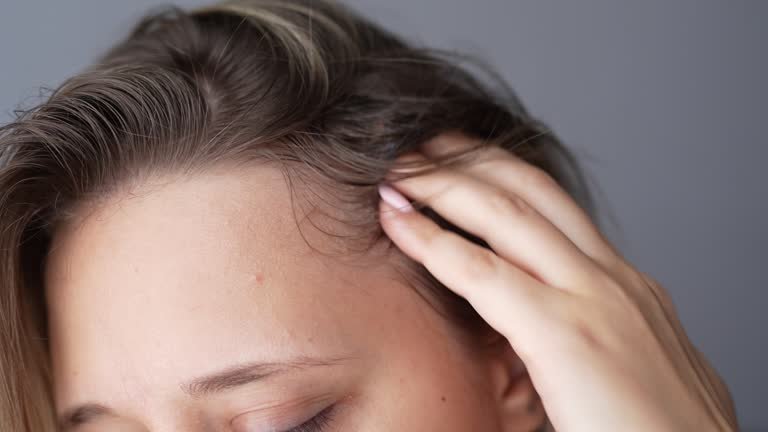
A balanced hairline should relate naturally to the forehead, eyebrows, temples, and overall facial structure rather than being positioned according to a fixed measurement. For patients considering Natural Hairline Treatment in Dubai, proportional planning can help determine where frontal restoration should begin and how the contour should connect with the rest of the face.
Why Hairline Proportion Matters
The hairline occupies the upper boundary of the face and can influence how the forehead and facial width are visually perceived.
Vertical Proportion
The distance between the eyebrows and hairline contributes to the apparent height of the upper face. Moving the hairline too far forward or backward can change this relationship.
Horizontal Proportion
The central hairline, frontal corners, and temples influence how wide the upper face appears. These areas therefore need to be planned together.
Assessing Proportion Before Treatment
Hairline planning should begin with the patient's existing anatomy.
Forehead Structure
Forehead height, contour, and shape can influence where a restored hairline appears most natural.
Brow-to-Hairline Relationship
The eyebrow region provides an important facial reference when considering the vertical position of the frontal boundary.
Temple Position
The temples provide lateral framing. Their relationship with the frontal hairline can influence the overall balance of the upper face.
| Proportional Element | What Is Assessed | Planning Objective |
|---|---|---|
| Forehead | Height and contour | Appropriate vertical position |
| Brow area | Distance to hairline | Maintain upper-face balance |
| Central hairline | Frontal position | Establish primary frame |
| Corners | Lateral contour | Connect central and side zones |
| Temples | Side framing | Complete the frontal structure |
Designing a Proportional Hairline
A proportional design does not require perfect symmetry or a uniformly shaped contour.
Central Position
The central portion can establish the primary visual reference while allowing the natural characteristics of the patient's hairline to influence the final shape.
Lateral Contour
The corners should transition toward the temples without creating abrupt changes in width or direction.
Controlled Irregularity
Natural hairlines contain subtle variations. Preserving appropriate irregularity can prevent a restored line from appearing mechanically drawn.
Treatment Planning for Proportional Restoration
The appropriate approach depends on whether the patient has permanent follicular loss, miniaturization, or a primarily cosmetic density concern.
Hair Transplantation
For suitable candidates, transplantation can restore follicles to areas of permanent loss. Graft placement can follow the planned proportional contour.
Non-Surgical Support
Where follicles remain viable, non-surgical treatments may be considered depending on the diagnosis and degree of miniaturization.
Scalp Micropigmentation
Scalp micropigmentation can change the visual appearance of scalp coverage but does not produce new hair follicles. Its role is therefore different from transplantation.
Patients researching natural hair restoration services in Dubai can discuss which approach corresponds to their actual hair-loss pattern.
How Hair Characteristics Affect Proportion
Hair itself changes how a planned contour is perceived.
Fine Hair
Fine shafts may create a softer frame but can reveal more scalp. Density and transition therefore require careful consideration.
Thick Hair
Coarser shafts can produce stronger coverage, potentially changing the apparent width and visual weight of the frontal region.
Curly or Wavy Hair
Curvature can increase apparent density and modify the visible outline of the hairline.
Proportion and Hairline Corners
The corners play an important role in connecting the central hairline to the temples.
Corner Placement
If the corners are positioned too far inward or outward, the upper face may appear visually different even when the central hairline is appropriate.
Gradual Lateral Change
A controlled change in contour can help the frontal structure move naturally toward the temples.
Who May Need Proportional Hairline Planning
This approach may be relevant for patients with:
- Frontal recession
- A visually high hairline
- Uneven lateral recession
- Previous hairline restoration
- Concern about facial framing
- Limited donor resources
- A desire for conservative frontal reconstruction
Dubai Environment and Hairline Proportion
Dubai's bright outdoor conditions can make facial framing and frontal scalp coverage more noticeable. Strong sunlight can emphasize scalp visibility, particularly when hair is fine.
Patients should also account for recovery conditions in a hot climate. Direct sun, sweating, and dry air from indoor air conditioning can affect scalp comfort during healing.
Recovery and Maturation
If transplantation is performed, the proportional design is only the beginning of the restoration process.
Healing
Temporary redness, swelling, crusting, or other procedure-related changes may occur during recovery.
Hair Growth
Newly transplanted follicles require time to establish mature growth. Temporary shedding can occur.
Final Integration
The relationship between hairline, forehead, and facial structure becomes easier to evaluate as the hair grows and integrates with surrounding follicles.
Long-Term Proportional Planning
A proportional hairline should remain appropriate as surrounding native hair changes.
Future Native Hair Loss
If native follicles behind the restored area continue to thin, the overall balance can change. Treatment planning should therefore account for potential progression.
Donor Preservation
Conservative graft use can help maintain options for future treatment.
The Strategic Role of Hairline Proportion
Hairline proportion is determined by the relationship between the frontal boundary and the rest of the face, not by a single measurement. Forehead structure, brow position, temple framing, hair characteristics, graft distribution, and future hair loss all influence the design.
Patients considering Natural Hairline Treatment in Dubai can discuss individualized proportional planning with Tajmeels Clinic.
