


Wound Dressing at Home: Tips for Preventing Further Skin Damage
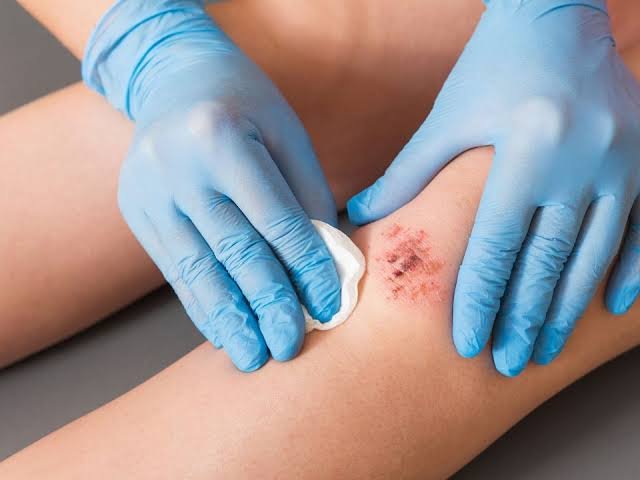
Protecting the skin surrounding a wound is an important part of maintaining safe and consistent wound care. Wound Dressing at Home in Dubai can provide professional support for patients who need regular dressing changes while recovering from surgery, injury, or chronic wounds. A Doctor at Home may provide medical guidance when appropriate, while trained healthcare professionals can help manage dressing changes and protect the wound and surrounding skin according to the prescribed care plan. Careful handling, suitable dressings, proper hygiene, and reducing friction can help minimize unnecessary skin damage during the healing period.
Why Protecting Surrounding Skin Matters:
The skin surrounding a wound can become fragile due to repeated dressing changes, moisture, wound drainage, adhesive products, friction, or pressure. When this skin becomes irritated or damaged, it may cause additional discomfort and make it harder to keep the dressing securely positioned. Protecting the surrounding area is therefore an important part of wound management. Patients should follow individualized instructions because the appropriate products and techniques depend on the wound's location, condition, and dressing type.
Handle Dressings Gently:
Removing and replacing a dressing should be done carefully to avoid unnecessary pulling or friction against the skin. Adhesive dressings can sometimes irritate sensitive skin when removed repeatedly or too quickly. Patients and caregivers should follow the technique recommended by their healthcare professional and avoid forcefully pulling a dressing that is firmly attached. If dressing removal causes significant pain or appears to damage the surrounding skin, professional advice should be sought.
Maintain Good Hand Hygiene:
Clean hands are essential before handling a wound or dressing. Appropriate hand hygiene helps reduce the transfer of dirt and microorganisms to the wound and surrounding skin. Patients and caregivers should clean their hands before preparing supplies and after completing wound care. Gloves may be recommended for certain procedures, but they do not replace proper hand hygiene. A clean treatment area can further reduce unnecessary exposure to contaminants.
Choose the Right Dressing:
Different wounds may require different dressing materials. The appropriate dressing can depend on wound size, location, drainage, surrounding skin condition, and the healthcare professional's recommendations. Using a dressing that does not suit the wound may contribute to excessive moisture, friction, leakage, or difficulty during removal. Patients should use the products recommended by their healthcare team rather than selecting a dressing solely based on convenience or availability.
Prevent Excessive Moisture:
Moisture can affect the skin around a wound, particularly when drainage remains against the skin for extended periods. A suitable dressing may help manage wound fluid, but heavily saturated dressings may need attention according to the care plan. Patients should follow instructions regarding dressing changes and bathing. If the surrounding skin becomes persistently wet, soft, irritated, or discolored, the concern should be discussed with a healthcare professional.
Protect Skin From Adhesive Irritation:
Some patients may develop irritation from dressing adhesives. Repeated exposure can be particularly uncomfortable for people with sensitive or fragile skin. Healthcare professionals can recommend suitable dressing materials or approaches based on the patient's needs. Patients should not apply unapproved substances under or around adhesives in an attempt to prevent irritation. If redness, itching, blistering, or skin breakdown develops where adhesive is applied, professional advice can help determine the appropriate response.
Reduce Friction and Pressure:
Friction from clothing, bedding, movement, or medical equipment can irritate skin around a wound. Pressure can also contribute to skin damage, particularly in patients with limited mobility. Patients should follow their healthcare team's recommendations for positioning and movement. Practical measures may include:
- Wearing comfortable clothing that does not rub against the dressing
- Avoiding unnecessary pressure on the wound
- Following recommended repositioning schedules
- Keeping bedding clean and reasonably smooth
- Using appropriate pressure-relieving equipment when advised
- Avoiding repeated rubbing or scratching around the dressing
Keep the Wound-Care Area Clean:
A clean environment can help reduce exposure to dirt and other contaminants during dressing changes. The surface used for wound-care supplies should be clean and dry, while unnecessary objects should be kept away from the treatment area. Pets, food, household waste, and unrelated activities should not be present during the dressing procedure. Clean supplies should remain protected until they are required.
Avoid Scratching or Picking the Skin:
Itching can sometimes occur around a healing wound or under a dressing. Scratching may damage fragile skin, disturb the dressing, or introduce contaminants. Patients should avoid picking at scabs, pulling at dressing edges, or repeatedly touching the surrounding skin. If itching becomes persistent or severe, the healthcare team should be informed so that an appropriate solution can be considered.
Manage Wound Drainage Properly:
Drainage can irritate the surrounding skin if it remains in contact with it for prolonged periods. The dressing selected by the healthcare team should be appropriate for the wound's drainage level. Patients should not independently add multiple layers or change dressing materials without guidance. During Wound Dressing at Home in Dubai, professional nurses can follow the prescribed dressing plan and observe whether drainage appears to be affecting the surrounding skin.
Be Careful When Cleaning the Wound:
Wound cleaning should follow the instructions provided by the treating healthcare professional. Excessive cleaning, vigorous rubbing, or use of inappropriate products can irritate tissue and surrounding skin. Patients should avoid household substances or unapproved antiseptics unless specifically recommended. A gentle, appropriate approach is generally preferable to repeated or aggressive cleaning.
Protect Skin During Bathing:
Bathing can expose both the dressing and surrounding skin to water, soap, and friction. Patients should follow their healthcare team's specific instructions regarding showering and bathing. Some dressings may require protection from moisture, while others may have different requirements. Patients should avoid scrubbing directly around the wound and should not soak the wound unless specifically instructed that this is appropriate.
Support Patients With Fragile Skin:
Older adults and patients with certain health conditions may have thinner or more fragile skin, making them more susceptible to damage from adhesives, friction, and repeated dressing changes. Caregivers should handle the skin gently and follow professional instructions. If the skin tears easily, develops blisters, or becomes increasingly irritated, the wound-care provider should be informed so that the dressing approach can be reviewed.
Keep Dressings Secure Without Making Them Too Tight:
A dressing should remain appropriately positioned while avoiding unnecessary pressure on the surrounding area. Tight bandaging can cause discomfort and may interfere with normal circulation depending on its location and the type of dressing. Patients should follow the instructions provided by their healthcare professional rather than tightening a dressing whenever it begins to shift. A repeatedly loose dressing may indicate that a different dressing method or material is needed.
Monitor Skin Changes Regularly:
Regular observation can help patients and caregivers notice changes in the skin surrounding a wound. Relevant changes may include:
- Increasing redness
- New swelling
- Persistent moisture
- Blistering
- Skin peeling
- New areas of tenderness
- Increased itching
- Skin breakdown
- Changes in skin color
These changes do not necessarily indicate a specific condition, but they should be discussed with an appropriate healthcare professional if they persist or worsen.
Avoid Unapproved Home Remedies:
Household products, powders, oils, creams, and traditional remedies should not be applied to a wound or surrounding skin unless specifically recommended by a healthcare professional. Some substances can irritate tissue, interfere with dressing adhesion, or complicate wound assessment. Patients should use products that are appropriate for their wound-care plan and ask their healthcare team before introducing anything new.
Help Caregivers Follow a Consistent Routine:
Family caregivers can help prevent additional skin damage by following the patient's prescribed wound-care routine consistently. They can prepare supplies in advance, maintain hand hygiene, handle dressings carefully, and observe the surrounding skin. Caregivers should also record relevant changes and communicate concerns during professional visits. Consistency is particularly useful for patients who require repeated dressing changes over an extended recovery period.
Professional Home Wound-Care Support:
Professional home nurses can help reduce avoidable skin trauma by using appropriate techniques during dressing changes and following the patient's individualized care plan. During Wound Dressing at Home in Dubai, nurses can assess the visible condition of the wound and surrounding skin, handle dressings carefully, and communicate relevant concerns to the healthcare team. Professional support may be particularly useful for complex wounds, chronic wounds, post-surgical wounds, and patients with limited mobility.
When to Seek Professional Evaluation:
Patients should seek professional medical advice if the skin surrounding a wound becomes increasingly red, swollen, painful, blistered, or damaged. Other concerning signs may include worsening wound pain, unusual drainage, foul odor, fever, significant bleeding, or separation of the wound edges. These symptoms require appropriate assessment rather than relying solely on changes to the dressing routine. Prompt professional guidance can help determine whether the existing care plan needs adjustment.
Final Thoughts:
Preventing further skin damage requires careful dressing techniques, good hygiene, appropriate moisture management, reduced friction, and attention to the condition of the surrounding skin. Wound Dressing at Home in Dubai can provide professional assistance for patients who need regular wound care while recovering at home. By using recommended dressing materials, handling fragile skin gently, protecting the wound during daily activities, and reporting concerning changes to healthcare professionals, patients and caregivers can maintain a more careful and organized wound-care routine.
