


How Laser Tattoo Removal Works to Fade Unwanted Tattoos
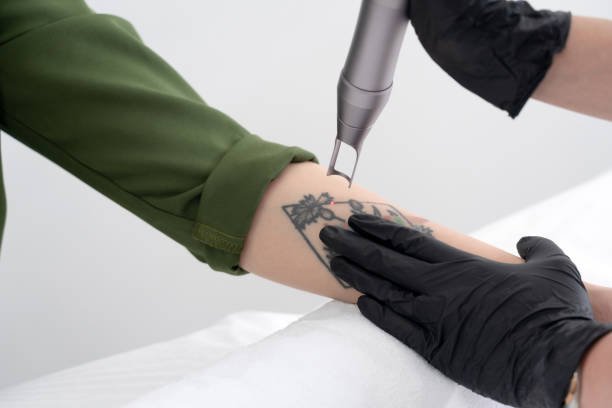
Unwanted tattoos can become a source of frustration when personal preferences change, a design no longer feels meaningful, or an old tattoo does not match your current lifestyle. Laser tattoo removal is one of the most commonly used approaches for gradually fading unwanted ink. The treatment works by targeting tattoo pigments with controlled laser energy while allowing the body's natural processes to remove the fragmented ink. For people considering tattoo removal riyadh, understanding how the procedure works, what affects results, and what to expect during recovery can help set realistic expectations.
What Is Laser Tattoo Removal?
Laser tattoo removal is a treatment that uses specialized laser energy to break down tattoo pigments beneath the skin. Tattoo ink is deposited within the deeper layers of the skin, making it difficult for the body to eliminate naturally.
During treatment, laser energy is directed toward the tattoo pigment. The energy is absorbed by the ink and causes the pigment particles to break into much smaller fragments. The body's immune and lymphatic systems can then gradually process and clear these particles over time.
How Does the Laser Target Tattoo Ink?
The laser is designed to deliver energy specifically to tattoo pigments while limiting exposure to surrounding skin. Different wavelengths may be selected depending on the color and characteristics of the tattoo.
Targeting Different Ink Colors
Tattoo pigments absorb light differently. Darker pigments, such as black ink, often respond well to certain laser wavelengths, while colors such as green, blue, red, or yellow may require different approaches.
The choice of laser settings depends on factors such as pigment color, tattoo depth, skin type, and previous treatment history.
Breaking Pigment Into Smaller Particles
The laser does not simply erase the tattoo in one session. Instead, it breaks the pigment into smaller particles that the body can gradually remove. This is why tattoo removal usually requires a series of treatments rather than a single appointment.
Why Are Multiple Laser Tattoo Removal Sessions Needed?
Tattoo ink can be located at different depths within the skin, and pigments vary in composition and density. After one treatment, the body needs time to clear the fragmented particles before another session can be performed.
The number of sessions varies from person to person. Factors such as tattoo size, color, location, age, ink type, and skin characteristics can all influence the response to treatment.
What Happens During a Laser Tattoo Removal Session?
Before treatment begins, the area is examined and the laser settings are selected according to the tattoo and the patient's skin characteristics. Protective eyewear is used to shield the eyes from laser energy.
The laser is then applied to the tattoo in controlled pulses. Patients may experience sensations often described as snapping or stinging during the procedure. Cooling techniques may be used to improve comfort before, during, or after treatment.
Afterward, the treated area may appear temporarily red or swollen. Some patients may also notice small changes on the surface of the skin as the area begins to heal.
Factors That Affect Tattoo Removal Results
Several factors can influence how quickly a tattoo fades.
Tattoo Color
Some pigments respond more easily to laser energy than others. Multicolored tattoos may therefore require different laser wavelengths or treatment strategies.
Tattoo Age
Older tattoos may have already experienced some natural fading, which can sometimes affect how they respond to treatment. However, age alone does not determine whether a tattoo can be removed.
Tattoo Location
The body's ability to clear fragmented pigment may vary depending on the tattoo's location. Areas with different circulation and lymphatic activity can respond differently.
Ink Composition and Depth
Professional tattoos may contain concentrated pigment placed deeper in the skin, while amateur tattoos can have different ink characteristics and depths. These differences can influence the treatment process.
Is Laser Tattoo Removal Painful?
Comfort levels vary between individuals. Laser tattoo removal can cause temporary discomfort, commonly described as a snapping or rubber-band-like sensation. Cooling methods and other comfort measures may help make the procedure more manageable.
Patients should discuss their comfort concerns during consultation so the treatment team can recommend appropriate measures.
What Can You Expect After Treatment?
Following laser tattoo removal, temporary redness, swelling, sensitivity, or other skin changes may occur around the treated area. These effects generally improve as the skin recovers.
Patients should follow aftercare instructions carefully and avoid unnecessarily irritating the treated skin. Protecting the area from excessive sun exposure is also important because recently treated skin can be more sensitive.
Can Every Tattoo Be Completely Removed?
Complete removal is not guaranteed. Some tattoos may fade significantly but leave behind traces of pigment or changes in skin appearance. The final result depends on many individual and tattoo-related factors.
During a consultation for Laser Tattoo Removal in Riyadh, a qualified professional can assess the tattoo and explain what degree of fading may be realistically achievable.
Is Laser Tattoo Removal Safe?
When performed by an appropriately qualified professional using suitable equipment and settings, laser tattoo removal can be a well-established treatment option. However, like other procedures, it can involve potential side effects.
Temporary skin changes may occur, and improper treatment can increase the risk of complications such as pigment changes or scarring. Proper assessment, appropriate laser selection, and suitable aftercare are therefore important.
Preparing for Laser Tattoo Removal
Before treatment, patients should provide information about their medical history, skin concerns, previous tattoo removal attempts, and any products or treatments that may affect the skin.
Avoiding unnecessary irritation or excessive sun exposure before treatment may also be recommended. The treatment provider can provide specific preparation instructions based on the individual situation.
Choosing Professional Laser Tattoo Removal
Effective tattoo fading depends on more than simply using a laser. Appropriate wavelength selection, treatment settings, skin assessment, and professional experience all contribute to a carefully planned treatment approach.
For individuals considering Laser Tattoo Removal in Riyadh, a professional consultation can help determine whether laser treatment is suitable and provide a personalized plan based on the tattoo's characteristics.
Book an Appointment at Royal Clinic Saudia
If you have an unwanted tattoo and want to learn more about professional laser removal, Royal Clinic Saudia can provide a personalized consultation. A qualified specialist can assess your tattoo, discuss suitable treatment options, and explain what you may expect throughout the fading process.
FAQs:
How does laser tattoo removal fade unwanted ink?
The laser breaks tattoo pigment into smaller particles, which the body gradually processes and clears over time.
How many laser tattoo removal sessions are needed?
The number varies depending on tattoo size, color, depth, location, ink type, and individual response to treatment.
Can laser tattoo removal remove all tattoo colors?
Different colors respond differently to laser wavelengths. Some tattoos may require multiple approaches to achieve significant fading.
Will the tattoo disappear after one laser treatment?
Usually not. Tattoo removal is generally a gradual process, and multiple sessions may be needed to achieve substantial fading.
