


What Should I Check Before Calling for an AC Repair?
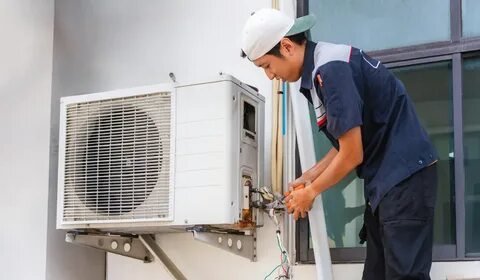
Before calling for an AC repair, check a few basic things that can explain why your system is not cooling properly. Start with the thermostat, air filter, power supply, and outdoor unit because these areas often cause common cooling problems. A quick inspection may reveal a simple fix and help you explain the issue more clearly if professional service is needed. Knowing what to check first can save time and prevent unnecessary frustration.
Start With the Thermostat Settings
The thermostat is the control center of your air conditioning system, and it should always be the first place to check. I have seen many homeowners worry about a major equipment failure when the thermostat was accidentally switched to the wrong setting or the temperature was not adjusted correctly.
If you are searching for heating and cooling services in new braunfels, you may already be dealing with uncomfortable indoor temperatures during a hot Texas afternoon. Before scheduling a repair, confirm that the thermostat is set to "Cool" and the temperature is lower than the current room temperature. Also check whether the display is working properly and replace the batteries if the screen appears weak or blank.
Check the Air Filter Condition
A dirty air filter is one of the easiest problems to overlook. Over time, dust, pet hair, and debris collect on the filter and restrict airflow through the system. When air cannot move freely, your AC may run longer, blow weak air, or struggle to maintain the temperature.
Remove the filter and inspect it under a light. If it looks gray, dusty, or clogged, replacing it may improve airflow quickly. A clean filter also helps protect the indoor coil and blower motor from unnecessary strain.
Make Sure the AC Has Power
Sometimes an air conditioner stops working because it is not receiving power. Check your electrical panel and look for a tripped breaker connected to the HVAC system. If the breaker has moved to the middle position, switch it completely off before resetting it.
You should also check the outdoor disconnect box near the condenser unit. This small electrical box provides power to the outdoor equipment and can sometimes be switched off during maintenance or other work around the home.
If the breaker trips again after resetting, do not continue turning it back on. A repeated electrical issue can indicate a deeper problem that requires professional attention.
Inspect the Outdoor Condenser Unit
The outdoor unit plays an important role in removing heat from your home. If it is blocked by leaves, grass clippings, dirt, or other debris, it cannot release heat efficiently.
Walk around the condenser and check that there is enough open space around the unit. Trim nearby plants and gently remove visible debris from the area. Avoid using sharp tools or strong pressure that could damage the fins.
A dirty condenser does not always mean your AC is broken, but it can reduce cooling performance and increase energy use.
Check the Vents and Airflow
Weak airflow is a common sign that something is affecting your AC system. Walk through your home and check whether air is coming from each supply vent. Some rooms may have closed registers or blocked vents without anyone noticing.
Furniture, curtains, and rugs can easily cover floor vents and limit air movement. If only one room has a problem, the issue may involve airflow distribution rather than the air conditioner itself.
If airflow is weak throughout the entire home, the problem may involve the blower motor, ductwork, or another internal component.
Listen for Unusual Sounds
Your air conditioner usually makes consistent operating sounds. Sudden noises can provide important clues about what is happening inside the system.
Pay attention to sounds such as grinding, buzzing, clicking, or rattling. A loud buzzing noise from the outdoor unit may point to an electrical component problem, while grinding sounds may indicate worn mechanical parts.
I always recommend noting when the sound happens. Does it occur when the system starts, while it runs, or when it shuts off? These details can help a technician identify the source faster.
Look for Ice on the AC Unit
Ice buildup is another warning sign that should not be ignored. Many homeowners assume ice means the system is cooling too much, but the opposite is usually true. Frozen coils often happen because of restricted airflow or refrigerant problems.
If you see ice on the refrigerant lines or indoor coil area, turn the AC off and allow it to thaw. Running a frozen system can put extra stress on the compressor and lead to more expensive damage.
Check the Drain Line for Blockages
Your air conditioner removes moisture from indoor air during the cooling process. That moisture drains away through a condensate line. When the drain becomes clogged, water can back up and sometimes cause the system to shut down.
Look around the indoor unit for signs of water leakage or standing water. A clogged drain may require cleaning, but repeated drainage problems should be inspected to prevent damage to nearby areas.
Why a Proper Diagnosis Matters
Many AC problems share similar symptoms. Warm air, weak airflow, strange sounds, and frequent cycling can all come from different causes. Guessing at repairs can waste money and may not solve the actual issue.
During a service discussion with APEX Electrical A/C And Heating LLC, I learned that a good technician does not start by replacing parts. The better approach is testing the system, checking airflow, inspecting electrical components, and finding the reason behind the failure. Proper diagnosis helps avoid unnecessary repairs and protects the equipment.
Signs You Should Stop Troubleshooting and Call for Help
Some problems should not be handled without proper training and tools. Air conditioning systems include electrical components, refrigerant, and moving parts that require safe handling.
Call a professional if you notice:
- The AC will not turn on after checking power.
- The breaker keeps tripping.
- The system blows warm air after basic checks.
- Refrigerant lines are frozen repeatedly.
- You smell burning or notice electrical damage.
- The outdoor unit makes loud or unusual noises.
These issues often require a deeper inspection to prevent further damage.
Final Thoughts
Checking a few simple things before calling for AC repair can help you understand what is happening and may even solve minor problems. Start with the thermostat, filter, power supply, vents, and outdoor unit before assuming the worst. If the system still does not work correctly, professional service is the safest next step. A proper repair begins with finding the real cause, not just treating the symptoms.
