


Nafion 117: Properties, Uses, Benefits and Applications
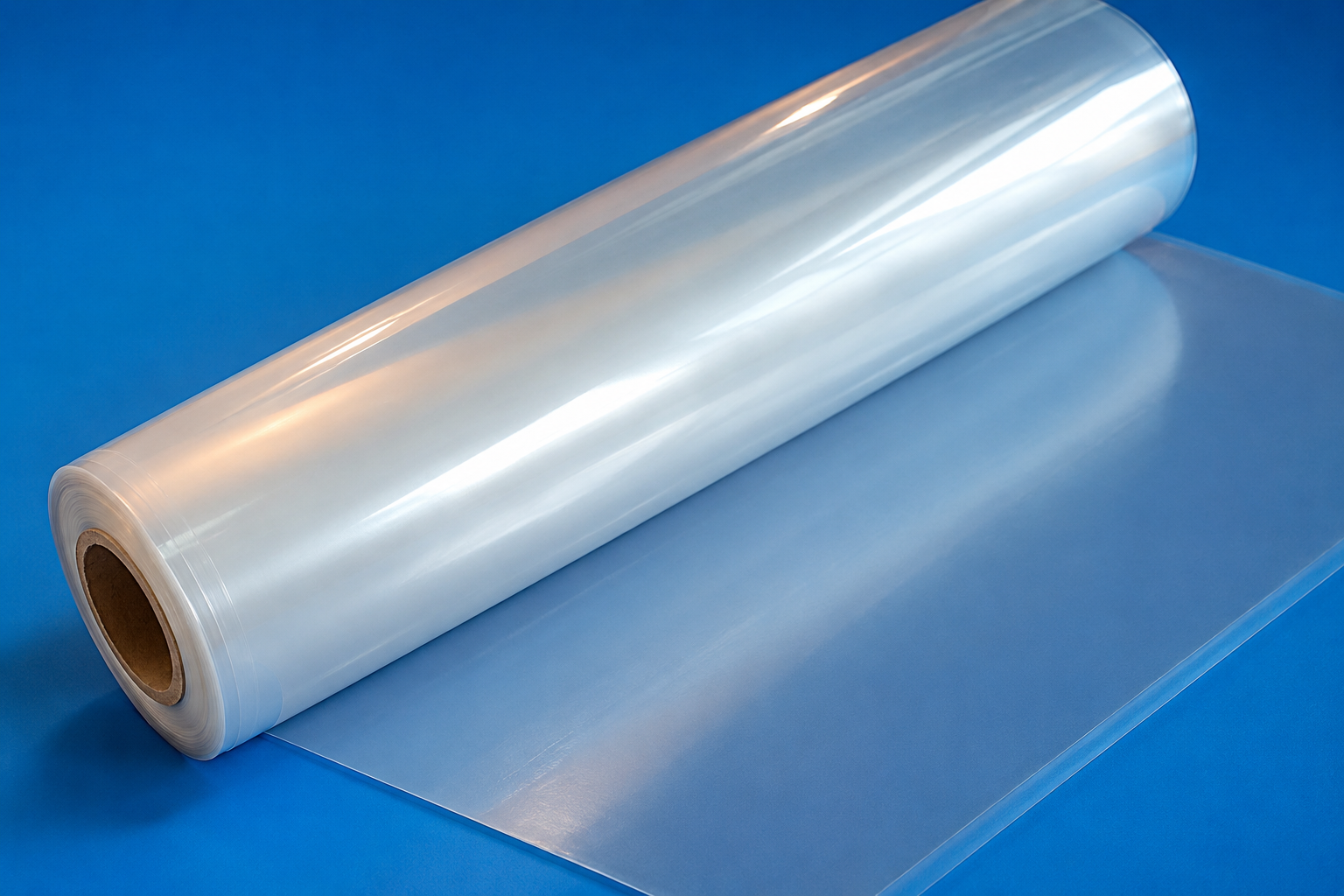
Nafion 117 is a widely recognized proton exchange membrane used in electrochemical research, fuel cell technology, laboratory applications, and various ion exchange processes. It belongs to the family of perfluorosulfonic acid membranes and is valued for its strong chemical resistance, proton conductivity, mechanical stability, and ability to transport protons while limiting the movement of many other ions and molecules. Because of these characteristics, Nafion 117 has become an important material for researchers and engineers working with electrochemical systems, membrane technology, hydrogen-related applications, and energy conversion. Understanding its composition, properties, performance, advantages, limitations, and applications can help users determine where this membrane is suitable and how it can be used effectively.
What Is Nafion 117?
Nafion 117 is a proton-conducting polymer membrane manufactured from a chemically stable fluorinated polymer containing sulfonic acid groups. Its molecular structure combines a hydrophobic fluoropolymer backbone with hydrophilic ionic groups that allow the membrane to absorb water and conduct protons. This unique structure gives Nafion 117 a useful combination of chemical durability, ionic conductivity, and mechanical strength. It is commonly selected for experiments and electrochemical systems where controlled proton transport is required.
Chemical Structure of Nafion 117
The chemical structure of Nafion 117 is based on a fluorinated polymer backbone similar to polytetrafluoroethylene, with side chains containing sulfonic acid groups. The fluorinated backbone provides excellent chemical and thermal stability, while the sulfonic acid groups create pathways for proton movement when the membrane contains sufficient water. These hydrophilic regions form microscopic channels within the polymer, allowing protons to move through the membrane while the surrounding fluorinated structure provides mechanical support and chemical resistance.
Key Properties of Nafion 117
Nafion 117 is known for several properties that make it valuable in electrochemical applications, including high proton conductivity, strong chemical resistance, good mechanical durability, and excellent resistance to many aggressive environments. Its proton transport capability depends strongly on hydration, temperature, membrane conditioning, and surrounding chemical conditions. The membrane can absorb water and expand, which means researchers must consider hydration and dimensional changes when designing experiments or devices.
Proton Conductivity of Nafion 117
One of the most important characteristics of Nafion 117 is its ability to conduct protons. The sulfonic acid groups within the membrane provide sites for proton exchange, while absorbed water helps create pathways through which protons can migrate. Proton conductivity can vary significantly depending on hydration, temperature, pressure, and chemical environment. Under properly hydrated conditions, Nafion 117 can provide effective proton transport, making it useful for proton exchange membrane fuel cells and other electrochemical technologies.
Role of Water in Nafion 117 Performance
Water plays an important role in the performance of Nafion 117 because proton movement through the membrane is strongly influenced by hydration. When the membrane is adequately hydrated, its ionic domains become more effective at transporting protons. When it becomes excessively dry, proton conductivity can decrease significantly. Water uptake can also cause dimensional changes, so controlling hydration is important when Nafion 117 is used in laboratory experiments, fuel cells, sensors, or membrane-based electrochemical systems.
Chemical Resistance of Nafion 117
Nafion 117 offers excellent resistance to many chemicals because of its highly fluorinated polymer structure. This makes it suitable for demanding electrochemical environments where ordinary polymer membranes may degrade. Its chemical durability is one of the reasons it is widely used in research involving acids, electrochemical reactions, and ion transport. However, chemical resistance does not mean that the membrane is completely unaffected by every chemical or operating condition, so compatibility should always be evaluated for the intended application.
Mechanical Properties of Nafion 117
Mechanical strength is another useful characteristic of Nafion 117. Its fluorinated polymer framework gives the membrane good durability and allows it to withstand handling and operation in many laboratory environments. However, the mechanical behavior of the membrane changes with hydration and temperature. A hydrated membrane can become more flexible and may experience swelling, while drying can alter its physical characteristics. Proper handling and conditioning can therefore help maintain membrane performance.
Nafion 117 in Fuel Cells
Nafion 117 has historically been used extensively as a proton exchange membrane in fuel cell research. In a proton exchange membrane fuel cell, the membrane allows protons to move from one electrode region to another while helping separate the reactant gases. The membrane therefore plays an important role in maintaining the electrochemical process. Nafion materials remain highly relevant in fuel cell research because their proton conductivity and chemical stability make them useful for studying hydrogen-based energy conversion.
Nafion 117 in Electrolysis
Nafion 117 can also be used in certain electrolysis and water-splitting research applications. In electrochemical systems, the membrane can help transport protons while separating different reaction environments. Its chemical stability and proton conductivity make it useful for laboratory investigations involving hydrogen production and related electrochemical processes. Researchers may select the membrane according to the operating conditions, electrode configuration, electrolyte environment, and desired ion transport characteristics.
Nafion 117 for Ion Exchange Applications
Nafion 117 functions as a cation exchange membrane because its negatively charged sulfonate groups can interact with positively charged ions. Protons can exchange with other cations under suitable conditions, allowing the membrane to participate in ion transport and separation processes. This behavior has made Nafion membranes useful in research involving ion exchange, electrochemical separation, sensors, and membrane-based systems.
Nafion 117 in Electrochemical Research
Researchers frequently use Nafion 117 when investigating proton transport, membrane behavior, electrochemical reactions, and energy conversion systems. Its established properties make it useful as a reference material when comparing new membranes or evaluating different electrochemical designs. Because Nafion has been studied extensively, researchers can also compare experimental results with a large body of existing scientific knowledge.
Nafion 117 for Electrode Preparation
Nafion materials are also associated with electrode fabrication and catalyst layer preparation. In some electrochemical applications, Nafion can act as an ionomer that helps provide proton-conducting pathways within a catalyst layer. This allows electrochemical reactions to occur more effectively by improving contact between catalyst particles, conductive materials, and proton transport pathways. The appropriate amount and form of Nafion depend on the electrode design and intended application.
Advantages of Nafion 117
Nafion 117 offers several advantages that explain its continued use in research and industry. It provides strong proton conductivity under suitable hydration conditions, excellent chemical resistance, useful mechanical durability, and established performance characteristics. Its widespread adoption also means that researchers have access to considerable information about its behavior. This makes it easier to use as a benchmark material when developing or evaluating alternative proton exchange membranes.
Limitations of Nafion 117
Despite its advantages, Nafion 117 has some limitations. Its proton conductivity decreases under dry conditions, and water uptake can cause swelling and dimensional changes. Its performance can also be affected by temperature and chemical environment. Another consideration is that Nafion is relatively expensive compared with some alternative membrane materials. Researchers therefore need to consider operating conditions, cost, membrane thickness, durability, and performance requirements when selecting it for a particular application.
Nafion 117 and Alternative Membranes
Nafion 117 is often compared with other proton exchange membranes, hydrocarbon-based membranes, composite membranes, and newer ion-conducting materials. Its major strengths are chemical durability, established proton conductivity, and extensive research history. Alternative materials may provide advantages in areas such as cost, high-temperature operation, reduced water dependence, or improved environmental characteristics. The best membrane depends on the specific requirements of the application rather than on a single property.
How to Prepare Nafion 117 for Use
Before using Nafion 117 in an electrochemical experiment, researchers commonly condition the membrane according to the requirements of the intended system. Conditioning can involve cleaning, hydration, and conversion into the desired ionic form. The exact procedure depends on the application and experimental design. Proper preparation is important because contaminants, insufficient hydration, or inappropriate ionic conditions can influence membrane performance and experimental results.
Storage and Handling of Nafion 117
Proper storage and handling can help maintain the quality of Nafion 117. The membrane should be protected from unnecessary contamination, excessive drying, mechanical damage, and unsuitable chemical exposure. When handling the material, researchers should follow the manufacturer's technical guidance and laboratory safety procedures. Keeping the membrane clean and properly conditioned can help provide more consistent performance during experiments.
Factors Affecting Nafion 117 Performance
Several factors can influence the performance of Nafion 117, including hydration level, temperature, membrane thickness, pressure, ionic composition, chemical exposure, and operating conditions. Proton conductivity generally improves with adequate hydration, while excessive swelling may affect dimensional stability. Temperature can influence both proton transport and mechanical behavior. Understanding these factors allows researchers to optimize the membrane for a particular electrochemical application.
Nafion 117 in Hydrogen Energy Research
Hydrogen energy research is an important area where proton exchange membranes such as Nafion 117 have played a significant role. Fuel cells and electrolysis systems rely on controlled ion transport to support electrochemical reactions. Nafion 117 provides a well-established platform for studying these processes. Although newer membranes are being developed, Nafion remains an important reference material for understanding proton exchange membrane behavior in hydrogen-related technologies.
Nafion 117 for Laboratory Experiments
Nafion 117 is particularly useful in laboratory environments because its characteristics are well documented and reproducible under controlled conditions. Researchers can use it to investigate membrane transport, proton conductivity, electrochemical reactions, ion exchange, and fuel cell performance. Its availability in membrane form also makes it convenient for experimental setups that require a stable proton-conducting separator.
Why Researchers Choose Nafion 117
Researchers often choose Nafion 117 because it offers a practical combination of conductivity, chemical stability, mechanical strength, and established research history. When developing new electrochemical materials, using a familiar reference membrane can help researchers understand whether a new material provides meaningful improvements. Its established reputation also makes it easier to compare results between different studies and experimental systems.
Frequently Asked Questions About Nafion 117
What is Nafion 117 used for?
Nafion 117 is primarily used as a proton exchange and cation exchange membrane in fuel cells, electrochemical research, hydrogen-related systems, ion exchange experiments, sensors, and membrane-based applications where controlled proton transport is required.
Why is Nafion 117 good for proton conduction?
Nafion 117 contains sulfonic acid groups that provide proton exchange sites, while its hydrated ionic domains create pathways that support proton movement through the membrane.
Does Nafion 117 need water to conduct protons?
Hydration is very important for effective proton conductivity in Nafion 117. When the membrane becomes too dry, proton transport can decrease substantially because the water-assisted pathways inside the membrane become less effective.
Is Nafion 117 chemically stable?
Nafion 117 has excellent chemical resistance because of its highly fluorinated polymer structure, although its compatibility should still be evaluated for the specific chemicals, temperatures, and operating conditions involved in an application.
Can Nafion 117 be used in fuel cells?
Yes, Nafion 117 has been widely used in fuel cell research as a proton exchange membrane because it can conduct protons while providing separation between different reactant environments.
What is the main limitation of Nafion 117?
A major limitation is its dependence on hydration for strong proton conductivity. The membrane can also swell when hydrated, and its cost may be higher than some alternative membrane materials.
How should Nafion 117 be stored?
Nafion 117 should be stored and handled according to the manufacturer's recommendations, with attention to cleanliness, chemical compatibility, mechanical protection, and appropriate hydration or drying conditions for the intended application.
Can Nafion 117 be used for hydrogen production?
Nafion 117 can be used in certain electrochemical hydrogen production and electrolysis research systems where proton transport and membrane separation are required.
Conclusion
Nafion 117 remains an important proton exchange membrane for electrochemical research, fuel cell development, hydrogen technologies, ion exchange studies, and laboratory applications. Its combination of proton conductivity, chemical resistance, mechanical durability, and established performance makes it a valuable material for researchers and engineers. Although it has limitations related to hydration, swelling, operating conditions, and cost, its extensive research history and reliable characteristics continue to make it a popular reference material. Understanding how hydration, temperature, chemical environment, and operating conditions affect Nafion 117 can help users obtain better performance and select the membrane appropriately for their specific application.
