


How to Improve Electrical Safety During Equipment Maintenance
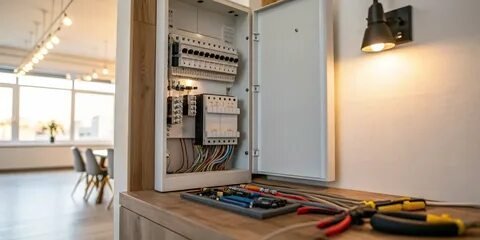
Electrical equipment maintenance can expose workers to serious hazards if proper safety procedures are ignored. Unexpected energized circuits, damaged components, and poor planning often lead to injuries, equipment damage, and costly production delays. The practical solution is to follow proven maintenance practices, verify electrical isolation, and inspect equipment before work begins. A structured safety approach protects employees, improves maintenance quality, reduces unexpected failures, and helps industrial facilities maintain reliable operations while meeting workplace safety expectations.
Start Every Maintenance Task with Proper Planning
Safe maintenance begins long before the first tool is picked up. One of the biggest mistakes I have seen is rushing into a repair without reviewing the electrical system, equipment drawings, or isolation points. Even experienced technicians can overlook hidden energy sources when they are under pressure to restore production quickly. Taking a few extra minutes to plan the work reduces risk and helps prevent costly mistakes.
Planning should also include identifying every component that will be affected during the maintenance process, including generators, transfer equipment, and 600MCM generator panels where they are part of the electrical system. Understanding how power flows through the installation allows technicians to isolate equipment safely before beginning repairs. Good preparation creates a safer working environment while improving maintenance efficiency. Careful planning often determines whether a job is completed safely or interrupted by unexpected problems.
Follow Lockout Tagout Procedures Every Time
Lockout tagout remains one of the most important electrical safety practices in industrial facilities. Its purpose is simple, prevent equipment from becoming energized while maintenance is taking place. I have visited facilities where workers relied only on turning off a switch without applying proper lockout procedures. That shortcut created unnecessary danger because another employee could easily restore power without realizing maintenance was still underway.
Every technician should verify that all energy sources have been isolated before beginning work. Locks, tags, and written procedures provide clear communication that equipment must remain out of service until maintenance is complete. Consistent application of these procedures protects both experienced electricians and new maintenance personnel.
Verify Equipment Is De-Energized
Turning off power is not enough. Before touching any electrical component, technicians should always test to confirm the circuit is truly de-energized. Equipment can remain energized because of wiring errors, backfeed conditions, or unexpected power sources that were overlooked during isolation.
I always remind maintenance teams that testing for the absence of voltage should become a habit, not an option. A properly rated test instrument provides confirmation that equipment is safe to service. This simple step has prevented countless electrical incidents across industrial facilities.
Wear the Correct Personal Protective Equipment
Personal protective equipment provides an important layer of protection during electrical maintenance. Gloves, safety glasses, arc rated clothing, insulated tools, and face shields all help reduce injury when electrical hazards cannot be completely eliminated. Selecting the correct equipment depends on the task being performed and the level of electrical risk.
Protective equipment should always be inspected before use. Damaged gloves, cracked face shields, or worn insulated tools cannot provide the protection they were designed to deliver. Proper equipment gives maintenance personnel greater confidence while working around electrical systems.
Keep Electrical Panels Clean and Organized
A clean electrical panel is easier to inspect, maintain, and troubleshoot. Dust buildup, loose materials, and poor housekeeping increase the chance of overheating and make maintenance more difficult. I have opened electrical panels where years of accumulated dirt covered critical components, making it difficult to identify developing problems.
During one maintenance project, I worked alongside technicians from Roam Technologies while evaluating several industrial electrical panels scheduled for service. We found that the cleanest panels required less repair work because regular inspections had prevented small problems from becoming larger failures. That experience reinforced the value of good housekeeping as part of every maintenance program.
Practical Safety Habits That Improve Maintenance
Simple daily practices help reduce electrical hazards during maintenance and improve long term equipment reliability.
- Follow lockout tagout procedures before every maintenance task.
- Test equipment to verify the absence of voltage.
- Inspect tools and protective equipment before use.
- Keep electrical panels clean and free from dust.
- Tighten electrical connections during scheduled maintenance.
- Report damaged components immediately.
- Maintain accurate maintenance records for future inspections.
Inspect Equipment for Early Warning Signs
Electrical equipment usually provides signs of developing problems before complete failure occurs. Burn marks, unusual heat, loose terminals, damaged insulation, and repeated breaker trips often indicate that maintenance is needed. Identifying these warning signs early reduces repair costs and prevents unexpected production interruptions.
Routine visual inspections should become part of every maintenance visit. Thermal imaging and electrical testing can also help identify hidden problems that cannot be seen during a basic inspection. Early detection keeps equipment operating safely for longer periods.
Improve Communication Between Maintenance Teams
Good communication is often overlooked during maintenance planning. Electricians, production supervisors, operators, and maintenance personnel should all understand when equipment will be removed from service and when it will be returned to operation. Clear communication reduces confusion and helps prevent accidental energizing during repairs.
I have worked on projects where short planning meetings before maintenance eliminated many potential problems. Everyone understood their responsibilities, and work progressed more efficiently. Strong communication supports both safety and productivity.
Maintain Accurate Maintenance Records
Maintenance records provide valuable information about the condition of electrical equipment over time. Recording inspections, repairs, breaker testing, and component replacements helps maintenance teams identify recurring issues before they become major failures. Good documentation also supports future planning and equipment replacement decisions.
Reviewing maintenance history often reveals patterns that would otherwise remain unnoticed. Equipment that requires frequent repairs may be approaching the end of its service life. Accurate records allow facilities to make informed maintenance decisions instead of reacting only after failures occur.
Build a Strong Safety Culture
Electrical safety is not created by procedures alone. It depends on employees who understand the importance of following safe work practices every day. Encouraging workers to report unusual conditions, ask questions, and stop unsafe work builds confidence across the entire maintenance team.
From my experience, the safest industrial facilities are those where safety is discussed before every maintenance activity, not only after an incident. Consistent training, leadership support, and personal responsibility create an environment where safe work becomes part of the daily routine. That culture protects both employees and valuable equipment.
Conclusion
Improving electrical safety during equipment maintenance requires careful planning, proper isolation, routine inspections, quality protective equipment, and clear communication. Small safety steps performed consistently help prevent injuries, reduce equipment failures, and improve maintenance efficiency. By following established procedures, maintaining accurate records, and encouraging a strong workplace safety culture, industrial facilities can protect their employees while extending the life of critical electrical equipment. Safe maintenance practices remain one of the most valuable investments any industrial operation can make.
