


Wabi-Sabi Wall Art vs. Minimalist Wall Art: Which Style Is Right for Your Home?
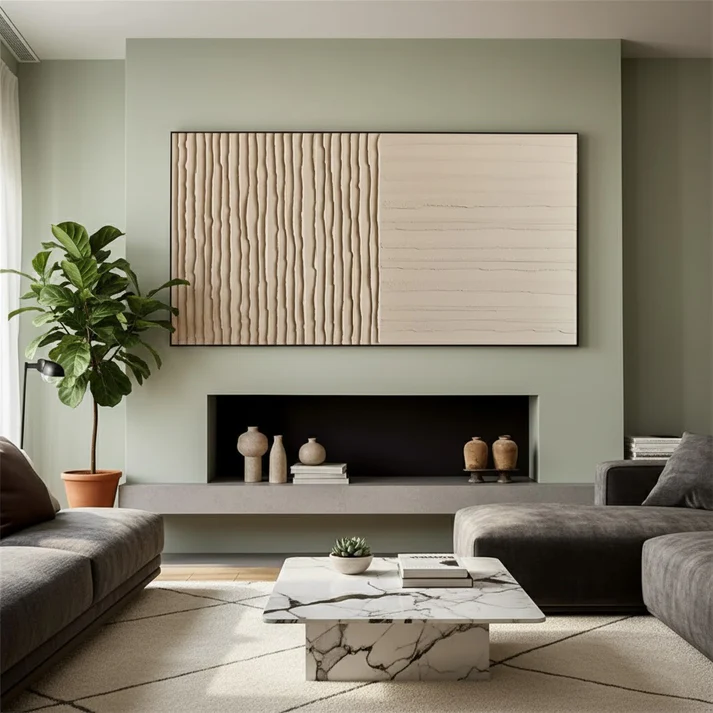
Interior design trends continue to evolve, but one thing remains constant—homeowners are looking for spaces that feel calm, inviting, and personal. Among the most popular design aesthetics today are Wabi-Sabi and Minimalism. While both embrace simplicity, they differ significantly in philosophy, texture, and emotional impact.
If you're decorating a living room, bedroom, home office, or entryway, understanding these differences can help you choose artwork that complements your lifestyle and interior design goals.
At Artiquo, our handcrafted Wabi-Sabi wall art collection combines textured finishes, neutral tones, and organic forms to create timeless pieces that transform ordinary walls into peaceful focal points. The collection emphasizes handmade textures, natural materials, and understated elegance inspired by the Japanese philosophy of embracing imperfection.
Understanding Minimalist Wall Art
Minimalist wall art is based on the principle of "less is more." It focuses on simplicity, balance, and clean visual compositions without unnecessary decoration.
Common characteristics include:
-
Clean geometric shapes
-
Neutral or monochromatic colour palettes
-
Open space and balance
-
Simple compositions
-
Modern visual appeal
Minimalist artwork creates a clutter-free environment that feels organized and refined.
It works exceptionally well in:
-
Contemporary homes
-
Scandinavian interiors
-
Modern apartments
-
Corporate offices
-
Luxury spaces
Its primary goal is visual simplicity.
What Is Wabi-Sabi Wall Art?
Wabi-Sabi goes beyond aesthetics. It is inspired by a Japanese philosophy that celebrates imperfection, authenticity, and the beauty found in natural aging and organic forms.
Rather than seeking perfect symmetry, Wabi-Sabi embraces:
-
Handcrafted textures
-
Natural imperfections
-
Organic movement
-
Earth-inspired colours
-
Layered finishes
-
Quiet elegance
Instead of appearing manufactured, every artwork feels unique and full of character.
At Artiquo, many pieces feature textured abstract surfaces, plaster-inspired finishes, and soft neutral palettes that create a calming atmosphere while remaining visually distinctive.
Texture Makes the Difference
The biggest visual distinction between these two styles is texture.
Minimalist artwork often relies on flat surfaces and crisp lines.
Wabi-Sabi artwork introduces:
-
Raised textures
-
Layered materials
-
Hand-applied finishes
-
Natural depth
-
Light and shadow interaction
Throughout the day, changing sunlight creates subtle shadows across textured surfaces, giving the artwork a constantly evolving appearance.
Instead of demanding attention, textured artwork quietly enriches the room.
Colour Palettes
Both styles generally avoid bold colours, but their palettes differ in purpose.
Minimalist Art
Common colours include:
-
White
-
Black
-
Grey
-
Soft beige
The objective is visual clarity and modern sophistication.
Wabi-Sabi Art
Earth-inspired tones dominate:
-
Sand
-
Clay
-
Stone
-
Ivory
-
Taupe
-
Warm beige
-
Natural white
These colours create warmth while maintaining a peaceful atmosphere.
Emotional Impact
Minimalist interiors often feel:
-
Structured
-
Clean
-
Modern
-
Precise
Wabi-Sabi interiors feel:
-
Relaxing
-
Organic
-
Comfortable
-
Timeless
-
Authentic
Rather than creating perfection, Wabi-Sabi encourages people to appreciate natural beauty and handcrafted artistry.
Which Style Works Best in Different Rooms?
Living Room
Large textured Wabi-Sabi artwork creates an elegant focal point above sofas, fireplaces, or console tables.
Minimalist artwork works well in highly contemporary spaces with sleek furniture.
Bedroom
Bedrooms benefit greatly from Wabi-Sabi's calming textures and soft neutral colours, helping create a peaceful retreat.
Dining Room
Both styles perform well, but textured artwork often adds warmth that makes dining spaces feel more welcoming.
Home Office
Minimalist artwork promotes focus and organization.
Wabi-Sabi introduces calmness without becoming visually distracting.
Pairing Wabi-Sabi with Modern Interiors
Many homeowners assume Wabi-Sabi only suits traditional interiors.
In reality, it pairs beautifully with:
-
Japandi interiors
-
Scandinavian furniture
-
Contemporary architecture
-
Modern luxury homes
-
Organic modern spaces
Combining clean-lined furniture with textured artwork creates balance between simplicity and warmth.
Why Textured Wall Art Continues to Grow in Popularity
Interior designers increasingly recommend textured artwork because it adds dimension without overwhelming a room.
Unlike colourful statement pieces, textured art complements changing décor styles while remaining timeless.
Benefits include:
-
Creates visual depth
-
Reflects natural light beautifully
-
Complements neutral interiors
-
Adds character without clutter
-
Works in both modern and classic homes
Because every handcrafted piece contains slight variations, homeowners receive artwork with its own unique personality.
Why Choose Artiquo's Wabi-Sabi Collection?
Artiquo's Wabi-Sabi collection celebrates handcrafted artistry through textured finishes, organic compositions, and neutral colour palettes inspired by nature. The collection includes single statement pieces, coordinated sets, and large-format artwork suitable for living rooms, bedrooms, offices, and commercial interiors. Each artwork is handmade and available with multiple framing options, allowing homeowners to match their décor while enjoying a gallery-quality finish.
Whether you're designing a minimalist apartment or a warm contemporary home, these artworks create timeless elegance without overwhelming your space.
Final Thoughts
Minimalist wall art and Wabi-Sabi wall art both embrace simplicity, but they achieve it in different ways. Minimalism values precision and clean design, while Wabi-Sabi celebrates texture, authenticity, and the quiet beauty of imperfection.
If you're looking for artwork that brings warmth, depth, and a sense of tranquility into your home, textured Wabi-Sabi wall art offers a timeless solution that complements a wide range of interior styles.
