The Importance of VPN Server Locations for Reliable Internet Access
A VPN is designed to create a secure connection between a user's device and the internet. Behind this process is a network of servers located in different parts of the world. The size, distribution, and availability of these servers can significantly influence connection quality, making the server list an important feature to consider when evaluating a VPN.
How VPN Servers Work
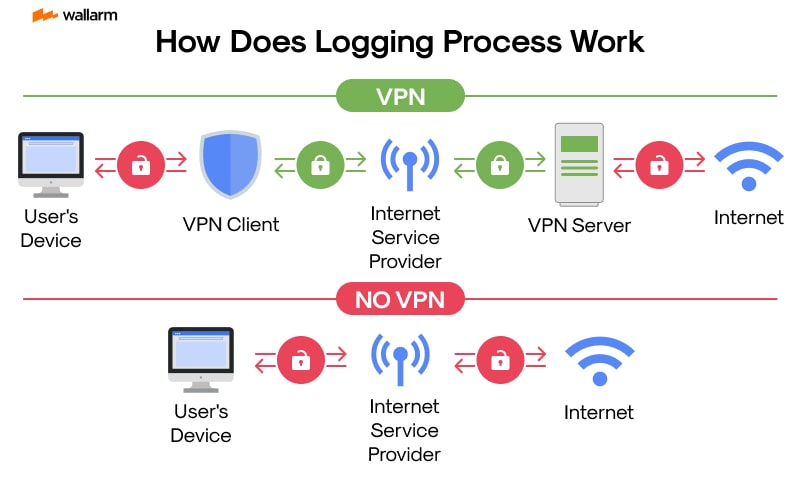
Whenever a user activates a VPN, internet traffic is routed through a selected server before reaching websites or online services. This encrypted route helps protect transmitted data while giving users the option to connect through different geographic locations.
Each server functions as an access point, and users can typically switch between available locations whenever needed.
Why Server Availability Matters
A large server network offers more than just a long list of countries. It provides greater flexibility and allows users to choose connections that better match their requirements.
Some practical advantages include:
- More nearby servers for lower latency.
- Alternative locations if traffic increases on one server.
- Better coverage for international travelers.
- Increased flexibility for different online activities.
The ability to choose from multiple servers also helps users adapt when network conditions change.
Finding a Balanced Connection
Many users assume that selecting the most distant server provides the greatest benefits, but this is not always the case.
For everyday browsing, video streaming, or online meetings, nearby servers often deliver faster response times and more stable performance. If a particular server experiences high demand, switching to another nearby location may improve connection quality.
Testing several options is often the easiest way to find the most reliable server.
Global Infrastructure Supports Different Needs
VPN providers often maintain servers across North America, Europe, Asia, Oceania, and other regions. This broad geographic coverage gives users the opportunity to establish secure connections from many parts of the world.
Such flexibility can be valuable for people who travel frequently or work remotely while moving between different countries.
Connection Speed Depends on Multiple Factors
Although server location is important, several other elements also affect performance.
Connection quality may depend on:
- Internet provider routing.
- Local Wi-Fi performance.
- Temporary server load.
- Available bandwidth.
- Overall network stability.
Because these factors change throughout the day, users sometimes achieve better results simply by choosing another server within the same region.
Supporting Everyday Online Activities
A VPN server network supports a wide variety of internet use.
Streaming media benefits from stable bandwidth, while online gaming generally requires low latency. Cloud services, video conferencing, web browsing, and remote work all perform differently depending on server conditions.
Having multiple server options allows users to select locations that best fit each activity.
Privacy and Secure Data Transmission
VPN servers encrypt internet traffic before it leaves the user's device. This additional layer of security can help reduce exposure when using both home and public wireless networks.
However, online safety also depends on maintaining updated software, protecting user accounts, and following responsible cybersecurity practices.
Selecting the Right Server
There is no single server that is ideal for every situation. The most appropriate choice depends on current location, internet quality, and the intended online activity.
Users often benefit from trying different servers and comparing connection stability rather than relying on a single default location.
Conclusion
A VPN server https://toggle.org/servers list is an essential component of a secure and flexible internet connection. The availability of servers across multiple regions allows users to adapt to changing network conditions while maintaining reliable performance for browsing, streaming, remote work, and other online activities. Understanding how server locations influence connectivity makes it easier to choose the right server for everyday use.