


Pleated Tops for Women: A Real-World Style Guide (Not Just Another List)
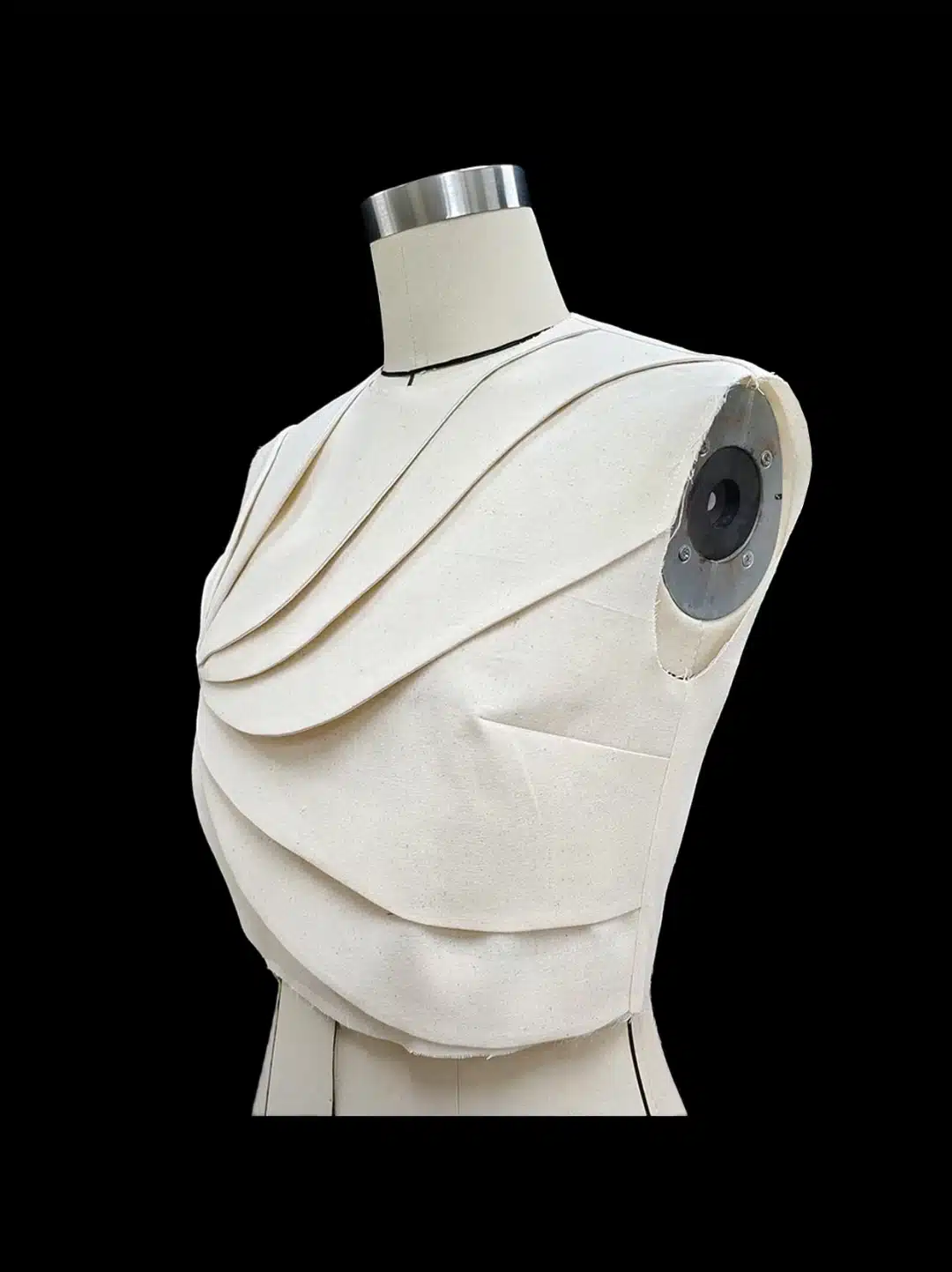
I've lost count of how many clients have told me, almost apologetically, "I just don't know what looks good on me anymore." Nine times out of ten, when I put them in a pleated top, something shifts. Shoulders relax. They stand a little straighter. It's not magic, it's just good structure doing its job.
Pleats have been quietly doing this for over a hundred years, long before anyone called it a "trend." What's different now is how many ways designers are using them, not just in stiff office blouses anymore, but in weekend tops, party pieces, even denim. So let's actually talk about pleated tops the way a stylist would talk to a friend, not the way a spec sheet would.
Why Pleats Work When Plain Fabric Doesn't
Here's the thing nobody tells you when you're standing in a fitting room frustrated: a plain cotton top has nowhere to hide. Every fold of fabric either lies flat against your body or it doesn't. Please give fabric somewhere to go. They create their own shadow and movement, which means the top does the visual work instead of your body having to do it.
I remember styling a client, mid-forties, self-described "pear shape," hated anything fitted through the middle, for a work event. We tried a plain silk blouse first. She hated it. Then we tried a knife-pleat version in the same color. Same fabric weight, same neckline, completely different reaction. She actually laughed and said, "Oh, that's better." That's pleas doing their job.
Is pleating actually still fashionable, or is this a passing thing?
Honestly? It's stuck around longer than most trends I've watched come and go. Pleated skirts and tops keep resurfacing every season because they photograph well and they're genuinely comfortable, two things that rarely go together in fashion. I wouldn't call it a fad at this point. It's more like a permanent fixture that occasionally gets a fresh coat of paint.
Will pleats actually suit my body, or is that just marketing talk?
Mostly yes, though not every pleat style suits every body the same way, and I'd be lying if I said otherwise. Narrow, vertical pleats tend to create a lengthening effect, good if you're shorter or want more visual height. Wider pleats add volume, which works well if your frame is straighter and you want a bit more shape. The mistake I see most often is women avoiding pleats altogether because one bad experience with the wrong pleat width put them off the whole category.
The Different Pleat Styles, Explained Without the Jargon
There's a surprising amount of variety hiding under the single word "pleated." Knowing the difference actually changes how you shop.
Knife pleats are the narrow, crisp ones, all pressed in one direction. These are the workhorses — clean enough for the office, relaxed enough for a Saturday brunch.
Box pleats face away from each other and leave a flat panel in the middle. They add more volume and a bit more drama, so they show up a lot in statement blouses.
Accordion pleats are the tight, uniform folds you'd picture on, well, an accordion. These move beautifully and tend to skim rather than cling, which makes them a favorite for evening wear.
Sunray pleats are rarer on tops, they radiate outward from a single point and usually show up on more artistic or occasion-driven designer pieces.
Honestly, most women don't need to memorize all four. Knife and accordion pleats cover about 80% of what you'll actually wear day to day.
How I'd Actually Style These (Not Just "Pair With Jeans")
Styling advice online tends to be lazy, "pair with jeans" isn't advice, it's a shrug. So here's how these actually play out in real outfits.
For work, I tuck a knife-pleat blouse into tailored trousers, roll the sleeves once if they're long, and leave the jewelry minimal, one statement piece, nothing more. The pleats already give the outfit texture, so anything extra starts to compete rather than complement.
For weekends, an accordion-pleat top over straight-leg jeans works because the contrast matters, flowy top, structured denim. If you put pleats with equally loose bottoms, the whole outfit loses its shape and starts to look like you got dressed in the dark.
For evenings, box-pleat or metallic pleated tops paired with wide-leg trousers or a satin skirt do most of the heavy lifting on their own. Simple shoes. Simple bag. Let the top be the loud one.
What do you actually wear under a sheer pleated top?
A seamless cami close to your skin tone, or matching the top's base color if it's not sheer everywhere. Skip anything with visible seams or lace texture, it'll show through and pull attention away from the pleats themselves, which is the opposite of what you want.
Pleated Tops Compared to Other Stylish Tops for Women
People ask me constantly whether pleas are "better" than other popular styles, and honestly, it depends on what you're solving for.
Ruffled tops lean romantic and soft. Pleated tops lean structured and sharp. If your closet already leans feminine and flowy, pleats add a bit of edge without going full tailored-blazer stiff.
Basic tees and blouses are reliable, sure, but they're forgettable. A pleated top does more of the outfit's storytelling by itself, which means you genuinely need fewer accessories to look finished, something I wish more people realized before over-accessorizing a plain top instead.
Wrap tops rely on tying and draping, which shifts throughout the day (anyone who's re-tied a wrap top in a bathroom mirror knows exactly what I mean). Pleats, once pressed, hold their shape through far more wear before they need any adjusting.
Ladies Formal Tops: Where Pleats Actually Earn Their Keep
This is where I get genuinely opinionated. If you need one top that can survive a client dinner and a Monday presentation without you having to change, a pleated formal blouse is usually the smarter buy over a plain button-down.
Silk, crepe, or a satin-finish blend in a pleated front reads as more considered, more "I thought about this" without looking like you tried too hard. I've watched women get compliments on a pleated blouse that cost less than the plain silk shirt sitting next to it in their closet, purely because the pleats gave it visual weight.
What fabric actually holds a pleat for formal wear?
Polyester crepe and certain silk-cotton blends hold their shape the longest, they resist the kind of creasing that ruins a pleat's clean lines. Pure silk looks gorgeous but, if you're in a humid climate, expect to re-press it more often than you'd like.
Designer Tops for Women: Off-the-Rack vs. Custom-Made
Here's where a lot of women get stuck, and where I think the industry quietly fails people. Designer tops for women promise quality, but sizing is still built around a standard chart that assumes everyone's torso, bust, and shoulders scale up and down uniformly. They don't.
Altering a pleated top after the fact is genuinely tricky, you're not just taking in a seam, you're disrupting a pleat pattern that was engineered for a different set of measurements. It rarely falls the same way afterwards.
This is exactly the gap custom-made clothing fills. When we build a pleated top from your actual measurements, the pleats are placed to sit correctly on your frame from the start, not adjusted after the fact and hoping for the best. You also get to choose the fabric weight, the pleat width, the finish. Small details, but they're the difference between a top that looks store-bought and one that looks like it was made for you, because it was.
Is a custom pleated top actually worth the extra cost?
For anything formal or statement-worthy, I'd say yes, most of the time. You're not just paying for the label, you're paying for fit that off-the-rack sizing structurally can't give you, and for pleats that were engineered around your body instead of a size-medium mannequin.
Keeping Pleats Looking Like Pleats
Pleats are an investment in structure, and heat is basically their natural enemy.
Hand wash where possible, or use a gentle cycle inside a mesh bag if you're short on time. Skip the dryer, I really can't stress this enough, since heat is the single fastest way to flatten pleats permanently.
Hang pleated tops rather than folding them. Folding introduces new crease lines that fight against the ones already pressed into the fabric, and eventually you end up with a top that looks a little confused about what shape it's supposed to hold.
If pleats do go flat, a cool iron with a pressing cloth, or a handheld steamer run along the original fold lines, usually brings them back. Test on an inside seam first, especially with delicate or custom fabric, where a mistake is harder to undo.
Where This Leaves You
Pleated tops aren't a passing trend you'll regret buying in two years. They're a genuinely useful tool for anyone who wants structure without stiffness, and movement without looking sloppy.
If you're starting from scratch, get one versatile knife-pleat blouse in a neutral color first. Build outward from there once you know how pleats actually sit on your body. And if store-bought sizing has never quite worked for you, which, let's be honest, describes most people at some point, a custom-made pleated top solves problems that alterations simply can't.
Questions People Actually Ask Me
What are pleated tops actually good for? Mostly for adding shape and texture to an outfit without clinging to the body, they work for both office wear and casual days, which is rarer than it sounds.
Do pleated tops work if I'm petite? Yes, particularly narrow knife or accordion pleats, since the vertical lines tend to elongate rather than add bulk.
Can I wear a pleated top to the office? Generally, yes, a knife-pleat blouse in a solid, muted color is one of the more office-friendly options among ladies formal tops.
How do I keep pleats from going flat? Skip the dryer, hang rather than fold, and re-press occasionally with a cool iron or steamer along the original fold lines.
Are custom pleated tops really better than store-bought ones? For fit and how long the pleats hold their shape, usually yes, custom pieces are cut to your actual measurements instead of a standard size chart.
What's the real difference between pleated and ruffled tops? Pleats are pressed and structured; ruffles are soft and gathered. One leans sharp, the other leans romantic.
What should I wear underneath a sheer pleated top? A seamless cami close to your skin tone or the top's base color, anything with visible texture underneath tends to show through.
