


Top Septoplasty and Turbinate Reduction in Dubai Guide
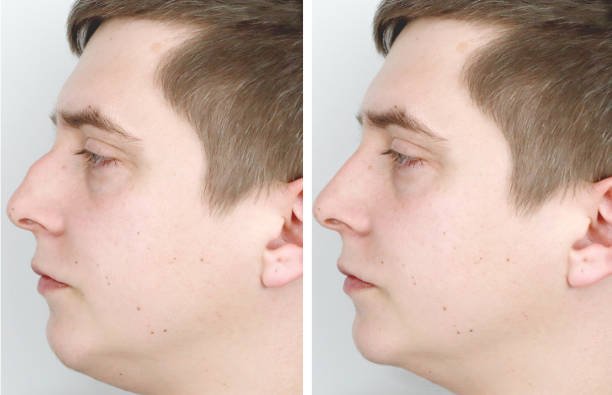
Navigating the decision to have nasal surgery can feel overwhelming. There is an abundance of information, some accurate and some misleading, and the stakes feel high. The nose is the center of the face, and the thought of surgery on such a delicate structure can be daunting.
This guide is designed to cut through the noise. It is a clear, structured, and honest overview of what a septoplasty and turbinate reduction in Dubai truly entails. It is not a sales pitch. It is a patient education tool, designed to give you a solid, foundational understanding so that you can approach a surgical consultation with confidence and clarity.
From understanding the anatomy to knowing what to expect during recovery, this guide provides the essential information you need.
Is This Surgery Right for You? A Candidacy Self-Assessment
Before diving into the details of the procedure, the first and most important step is to honestly assess whether this surgery is appropriate for your specific problem. Not everyone with nasal congestion is a candidate.
This surgery is designed to correct mechanical, anatomical obstruction. It is not a first-line treatment for mild, seasonal allergies.
A strong surgical candidate typically has these indicators:
-
A diagnosis of a significantly deviated septum, confirmed by a doctor's examination.
-
Chronic nasal congestion that is present day and night, not just during allergy season.
-
A history of mouth breathing, especially during sleep.
-
Snoring that is primarily nasal in origin.
-
A limited or no response to a proper trial of medical management, including nasal steroid sprays and antihistamines.
-
Recurrent sinus infections related to poor nasal drainage.
This surgery may not be the right solution if:
-
Your congestion is mild and easily controlled with occasional medication.
-
Your primary concern is the external cosmetic appearance of your nose. This requires a rhinoplasty, which is a different procedure.
-
Your obstruction is primarily caused by nasal valve collapse, a different anatomical problem.
-
You are not willing to commit to the post-operative recovery and aftercare.
A thorough, honest discussion with a surgeon, including a nasal endoscopy, is the only way to definitively determine your candidacy.
The Consultation: Your Diagnostic Roadmap
The surgical consultation is the most important appointment you will have. It is not a sales meeting. It is a diagnostic encounter where the surgeon maps the unique anatomy of your nasal airway.
What a thorough consultation should include:
-
A Detailed Symptom History: The surgeon will ask specific questions about the nature, duration, and severity of your nasal obstruction.
-
Nasal Endoscopy: A small, lighted camera is gently passed into the nostrils. This allows the surgeon to directly visualize the septum and turbinates and identify the precise location and degree of the obstruction. It is not painful, though it feels a bit strange.
-
Review of Imaging: If a CT scan has been performed, the surgeon will review the axial and coronal views to assess the deeper sinus anatomy and the bony septum.
-
A Personalized Discussion: The surgeon should explain your specific anatomy, the proposed surgical plan, the expected recovery timeline, and the realistic risks and benefits, all tailored to you.
A quality consultation leaves you feeling informed, heard, and empowered, never pressured.
The Procedure Itself: A Step-by-Step Overview
Understanding the sequence of the surgery demystifies it and reduces pre-operative anxiety. A combined septoplasty and turbinate reduction is typically an outpatient procedure performed under general anesthesia and takes between 60 and 90 minutes.
Step 1: Access and Elevation
The surgeon works entirely through the nostrils. There are no external skin incisions. An incision is made inside the nostril on one side of the septum. The mucosal membrane is gently lifted off the underlying cartilage and bone, creating a working pocket.
Step 2: Septal Reshaping
The deviated portions of bone and cartilage are carefully corrected. In a modern technique, the surgeon preserves as much structural cartilage as possible. The remaining cartilage is straightened using techniques such as scoring or suture fixation and repositioned in the midline. The mucosal flaps are then closed.
Step 3: Turbinate Reduction
The surgeon focuses on the enlarged inferior turbinate. Using a submucous technique, a small instrument is inserted inside the turbinate to shave away the engorged soft tissue while preserving the outer mucosal lining. The turbinate visibly shrinks, opening the airway.
Step 4: Closure and Splinting
The internal septal incision is closed with dissolving sutures. Thin, soft plastic splints are placed on either side of the septum to hold it stable and prevent blood accumulation. These splints will remain in place for about one week.
The Recovery Guide: Week by Week
Recovery is a process, not an event. Understanding the timeline removes the anxiety of the unknown.
Week 1: The Splinted Phase
You will breathe through your mouth. The splints create a sensation of complete blockage. There will be bloody, mucus-tinged drainage. Pain is usually mild to moderate and managed with medication. This is the most physically challenging week, but it is temporary. Sleeping with your head elevated is critical.
Weeks 2 to 3: The Early Healing Phase
The splints have been removed. Your breathing begins to open, but it will fluctuate. One hour may feel clear, the next congested. Crusts will form and pass. Saline irrigation multiple times a day is the most important activity. Light activity can be resumed, but strenuous exercise is still restricted.
Weeks 4 to 6: The Functional Improvement Phase
The daily fluctuations settle. You will start to experience more consistent, open nasal breathing. The crusting and drainage largely resolve. You can resume most normal activities, including exercise. The airway feels significantly better, but the final result is still maturing.
Month 3 and Beyond: The Mature Result
The deep tissue swelling has fully resolved. The mucosa has healed into a healthy, pink lining. The final, stable level of nasal breathing is achieved. This is the permanent result of the surgery.
Conclusion
This guide has provided a structured walkthrough of the key stages of the septoplasty and turbinate reduction journey: candidacy, consultation, procedure, and recovery. Armed with this knowledge, you can move forward with clarity and confidence. To take the next step and receive a personalized diagnostic assessment and surgical plan from an expert team, Tajmeels Clinic is ready to guide you on your path to effortless breathing.
FAQs
1. How do I know if my nasal obstruction is bad enough for surgery?
If your nasal obstruction significantly impacts your quality of life—your sleep, your energy, your exercise—and medical management has failed, you are likely a candidate. A nasal endoscopy will show your surgeon the degree of mechanical blockage.
2. Is the consultation process intimidating?
It shouldn't be. A good consultation is an educational, diagnostic experience. The surgeon is there to listen, to examine, and to explain. You should feel comfortable asking every question on your mind.
3. What is the single most important factor for a smooth recovery?
Compliance with aftercare, specifically performing your saline nasal irrigations as instructed. This one activity keeps the nose clean, moist, and healing efficiently and is the single best thing you can do to ensure a smooth recovery.
4. Will I look different after this functional surgery?
No. Septoplasty and turbinate reduction are performed entirely through the nostrils and address internal structures. The external shape and appearance of your nose will not change.
5. How long do I need to take off work?
Most patients with a sedentary job take one week off, returning to work shortly after the nasal splints are removed. If your job involves heavy physical labor, you may need two to three weeks of restricted duty.
