


Designing Collaborative Workstations for High-Performance Teams
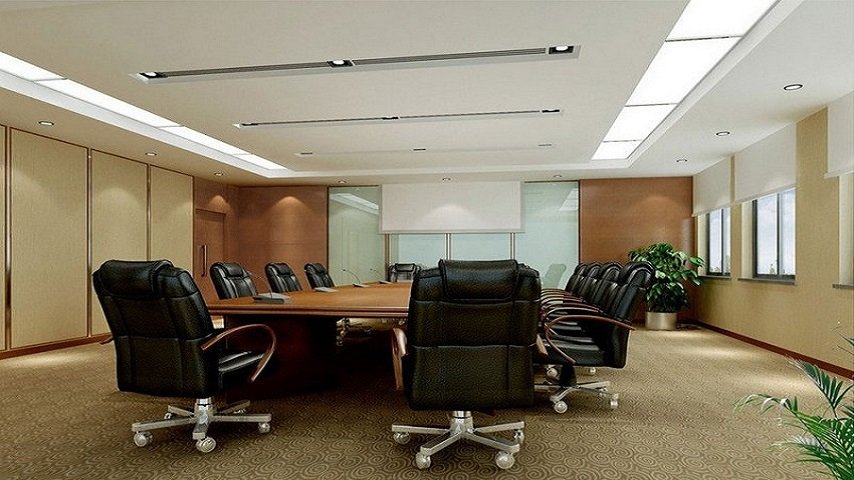
In today’s dynamic business environment, high-performance teams thrive on communication, agility, and shared problem-solving. Traditional cubicles and isolated desk setups are no longer sufficient for organizations that value innovation and speed. Designing collaborative workstations is about creating an environment that encourages interaction while maintaining focus and productivity.
A well-planned collaborative workspace doesn’t just look modern—it actively enhances teamwork, efficiency, and employee satisfaction.
Understanding the Needs of High-Performance Teams
Before designing collaborative workstations, it is essential to understand how teams operate. High-performance teams typically:
- Engage in frequent discussions
- Share resources and digital tools
- Require quick access to one another
- Work on dynamic, fast-moving projects
The workspace must support both spontaneous collaboration and focused individual work. Balancing openness with functionality is key.
Open Layout with Defined Zones
Collaborative workstations benefit from open layouts that reduce physical barriers. However, completely open spaces can sometimes lead to noise distractions.
An effective design includes:
- Clustered desk arrangements for team members
- Semi-partitions for subtle privacy
- Defined collaboration corners
- Breakout areas for quick discussions
Zoning ensures that teams can interact freely without disturbing others in the office.
Modular and Flexible Furniture
High-performance teams often adapt quickly to changing projects. Fixed furniture can limit flexibility.
Modular workstations allow:
- Reconfiguration based on team size
- Expansion or downsizing when needed
- Easy relocation within the office
- Integration of additional storage or tech modules
Flexibility supports growth and keeps the workspace future-ready.
Ergonomics for Long-Term Productivity
Collaboration should never compromise comfort. Since teams spend long hours at their desks, ergonomics must remain a priority.
Important considerations include:
- Adjustable chairs and desks
- Proper screen height alignment
- Sufficient legroom
- Anti-glare lighting
- Comfortable arm support
An ergonomic setup reduces fatigue, enhances concentration, and improves overall performance.
Integrated Technology and Connectivity
Technology is the backbone of collaborative work. Designing workstations without considering digital needs can hinder productivity.
Modern collaborative workstations should include:
- Built-in cable management systems
- Multiple power outlets and USB ports
- Wireless charging zones
- Integrated display screens for presentations
- Seamless Wi-Fi coverage
When technology is embedded into the furniture design, teams can focus on work instead of dealing with cluttered cables and limited connectivity.
Acoustic Considerations
Noise is one of the biggest challenges in collaborative environments. While open layouts encourage interaction, uncontrolled sound can reduce efficiency.
Solutions include:
- Acoustic panels
- Sound-absorbing ceiling materials
- Soft furnishings to reduce echo
- Phone booths for private calls
- Carpeted flooring to minimize sound travel
Managing acoustics ensures that collaboration does not become distraction.
Encouraging Informal Interaction
High-performance teams often generate their best ideas during informal discussions. Designing collaborative workstations with nearby breakout zones encourages spontaneous brainstorming.
Consider including:
- Small lounge areas
- Standing meeting tables
- Writable walls or glass boards
- Quick huddle spaces
These additions foster creativity and keep energy levels high throughout the day.
Storage Without Clutter
Cluttered desks reduce efficiency and create visual chaos. Smart storage solutions keep shared workspaces organized.
Collaborative workstations can include:
- Under-desk storage units
- Shared cabinets for team documents
- Lockers for personal belongings
- Minimalist desk surfaces
A clean environment supports clear thinking and smooth workflow.
Reflecting Company Culture
The design of collaborative workstations should align with the company’s identity. Colors, materials, and layout can influence mood and motivation.
For example:
- Neutral tones create a professional and calm atmosphere.
- Vibrant accent colors energize creative teams.
- Natural materials add warmth and approachability.
When workspace design reflects organizational culture, employees feel more connected and engaged.
Conclusion
Designing collaborative workstations for high-performance teams requires more than arranging desks together. It involves thoughtful planning of layout, ergonomics, technology integration, acoustics, and flexibility.
Why Modern Office Cabins Need Professionally Designed Desks and Tables
Laboratory Design and Cleanroom Furniture Solutions Through Professional Turnkey Projects
