


The Most Common Embroidery File Formats Every Machine Owner Should Know
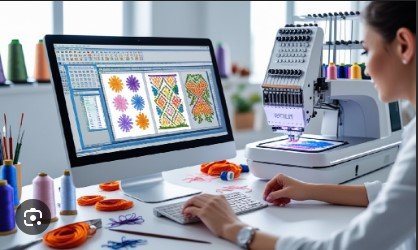
Introduction: Why Your Machine Keeps Rejecting Your Files
You found the perfect design online. You downloaded it to a USB drive. You walked over to your embroidery machine feeling excited. Then the error message popped up: “Unsupported file format.” Sound familiar? You are not alone. Every embroidery machine owner hits this wall at some point. The problem is not your machine. The problem is that you and your machine speak different file languages.
Let me fix that for you today. I will walk you through the most common Embroidery File Formats you will actually encounter in the real world. No computer science degree required. No memorizing boring technical specs. Just straight talk about which files work with which machines, what to do when someone sends you the wrong format, and how to stop pulling your hair out every time you want to stitch something new.
I have owned three different embroidery machines over the years. Each one wanted a different file type. I have made every mistake possible, from stitching out corrupted files to buying designs I could not even open. Learn from my mess so you do not repeat it.
The Universal Truth About Embroidery Files
Before we dive into specific formats, let me explain one simple concept. An embroidery file is just a set of instructions for your machine. It tells the needle where to go, when to stop, when to change thread color, and how fast to move. Think of it like a recipe. Different machines read different recipe languages, but they all cook the same dish.
Some file formats work on almost every machine. Others only work on one brand. Knowing the difference saves you hours of frustration and prevents you from buying designs you cannot use.
PES: The People's Champion
PES stands for the name of the company that created it. You will find this format everywhere. Brother, Babylock, Bernina, and many other家用 machines read PES files natively. If you own a Brother embroidery machine, PES is your best friend.
Why do I love PES so much? It preserves color information beautifully. When you load a PES file, your machine usually shows you thread color suggestions right on the screen. It also handles advanced features like jump stitch trimming and color sorting. Most designs you buy online come in PES format because it works on so many machines.
The downside? Some very old machines cannot read PES. And professional industrial machines sometimes ignore it. But for ninety percent of home embroiderers, PES is the format you want to ask for.
DST: The Industrial Standard
DST comes from Tajima, the company that makes most commercial embroidery machines. If you ever send a design to a large production shop, they will likely ask for DST. This format has been around forever, and it works on almost every professional machine made in the last thirty years.
Here is the catch. DST files do not store color information. Your machine will stitch the design, but it will not tell you when to change thread colors. You have to track that yourself or rely on a separate color chart. For home users, this feels like a step backward. But for production shops running hundreds of the same design, DST is fast, reliable, and universal.
I keep DST files for any design I might send to a commercial embroiderer. For my home machine, I stick with PES.
EXP: The Melco Format
EXP belongs to Melco machines. You see these in many small embroidery shops and some home setups. The format handles color information well and works smoothly on Melco hardware. But here is the frustrating part: most other machines refuse to read EXP files at all.
If someone sends you an EXP file and you own a Brother, do not panic. You can convert it using free tools like Wilcom TrueSizer or EmbroideryWare. But honestly, I always ask for PES or DST first to avoid the conversion headache.
CND and XXX: The Older Cousins
CND files come from older Melco machines. XXX files belong to older Singer and Toyota machines. You probably will not encounter these unless you buy a used machine from the 1990s or download designs from a very old website. Both formats lack modern features like color sorting and advanced jump stitch control.
If you still run a vintage machine, stick with what works. But if you have a newer setup, convert these old formats to PES or DST before stitching. The conversion process often cleans up quirks in the old files.
JEF and SEW: Janome's Favorites
Janome machines use JEF and SEW formats. JEF is the newer standard. SEW belongs to older Janome models. Both store color information and handle basic stitch instructions well. You will find plenty of Janome users sharing designs in these formats on forums and Facebook groups.
The good news? Most design conversion software handles JEF and SEW without issue. The bad news? Do not expect a Brother or Babylock machine to read them directly. Always convert first.
PCS and PEC: The Peculiar Pair
PCS belongs to Pfaff machines. PEC shows up on older Pfaff and some Viking models. These formats work fine on their native machines, but compatibility drops off fast elsewhere. I rarely see these in the wild anymore. Most modern Pfaff machines happily read PES now, so PCS has become less common.
If you inherit a box of old PCS files from a fellow embroiderer, convert them before using. Do not try to stitch them directly on a non-Pfaff machine.
How to Convert Between Formats Without Losing Your Mind
You do not need to own every machine on earth to use different file formats. Conversion software handles the heavy lifting for you.
Wilcom TrueSizer is completely free and lets you convert between PES, DST, EXP, JEF, and several others. No watermarks, no time limits. I use this constantly.
EmbroideryWare offers a paid converter that handles over sixty formats. Worth the money if you regularly buy designs from international sellers.
InkStitch with Inkscape also converts formats, but the learning curve is steeper. Only go this route if you already know the software.
The golden rule: always test a small stitch-out after converting. Different software handles conversion slightly differently. A ten-cent test on scrap fabric saves you from ruining a fifty-dollar hoodie.
Which Format Should You Actually Use?
Here is my simple advice for most home embroiderers. Ask for PES whenever you buy a design online. Keep DST as a backup for commercial printing. Convert everything else to PES before stitching.
If you own a Janome, ask for JEF. If you own a Melco, ask for EXP. If you own anything else, ask for PES.
Stop accepting random file formats from friends without checking compatibility first. Stop guessing whether your machine reads a file. And please, stop trying to force a file into your machine when it clearly does not belong there.
Conclusion: Know Your Formats, Save Your Sanity
Embroidery file formats do not have to be mysterious. PES rules the home market. DST dominates commercial shops. JEF and EXP serve specific brands. Everything else is either old or rare.
Take fifteen minutes right now. Look up your machine model online and write down exactly which formats it reads. Tape that list to the wall next to your machine. Then the next time someone sends you a design, you will know instantly whether it works or needs conversion.
Your machine wants to help you make beautiful things. Give it the right file format, and it will stitch like a dream. Give it the wrong one, and you will keep seeing that frustrating error message. The choice is yours. Now go stitch something awesome.
