


The Future of Waste-to-Energy Infrastructure Across European Countries
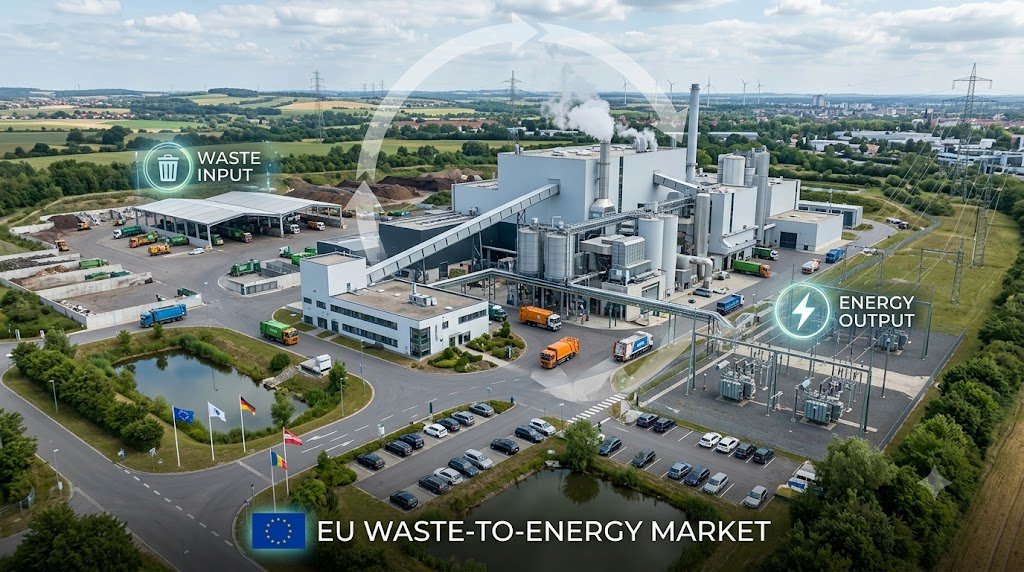
European Waste-to-Energy Investments and the Changing Infrastructure Landscape
Investment in European waste management infrastructure is becoming increasingly connected to environmental policy, municipal service requirements and regional energy planning. Waste-to-energy facilities represent long-term infrastructure assets capable of treating residual waste while generating electricity and useful heat. Their development requires substantial capital, technical expertise and dependable operating arrangements, making investment evaluation particularly important for developers, utilities and institutional investors.
Across Europe, local authorities face different waste generation patterns, landfill capacities and recycling performance levels. These differences influence the demand for additional treatment infrastructure. Countries with limited landfill availability or established district heating networks may present different project opportunities compared with markets that are still developing integrated waste management systems.
Infrastructure Demand and Project Development
Waste-to-energy projects generally require coordinated planning involving municipalities, waste collection companies, technology suppliers, grid operators and environmental authorities. Developers must establish whether sufficient residual waste will remain available after recycling and prevention targets are considered.
Long-term waste supply agreements can provide operational stability, although contract structures must account for changing waste composition and future policy requirements. Facilities also need suitable land, road access, grid connections and potentially heat distribution networks.
Project development timelines can be lengthy because of permitting procedures, environmental assessments, public consultation and construction requirements. Early stakeholder engagement can help identify concerns and improve project acceptance.
Financing Models and Revenue Structures
Waste-to-energy projects can generate revenue through several channels. Gate fees paid for waste treatment are often an important component of financial planning. Electricity sales provide another revenue stream, while combined heat and power facilities may secure additional income through thermal energy agreements.
The balance between these revenues varies according to local market conditions. Electricity prices, waste contracts, plant availability and operating expenditure all influence financial performance.
Public-private partnerships are frequently considered where municipalities require infrastructure investment but prefer to share development responsibilities with experienced private operators. Concession agreements and long-term service contracts can establish responsibilities for construction, operation and maintenance.
Financiers must evaluate construction risk, technology performance, environmental liabilities and contractual stability. Projects with diversified revenue arrangements and credible counterparties may offer more predictable operating conditions.
Regional Opportunities and Competitive Positioning
European countries are progressing at different speeds in developing waste treatment capacity. Some markets have established thermal recovery infrastructure, while others are reassessing their disposal systems and considering additional treatment capacity.
The EU Waste-to-Energy Market Report is relevant for evaluating regional demand, infrastructure development, competitive activity and emerging opportunities across the sector.
Major engineering and infrastructure companies compete through project delivery experience, technical capabilities and lifecycle support. Equipment suppliers provide combustion systems, boilers, emissions control solutions and material handling technologies. Specialist operators contribute expertise in plant optimisation and regulatory compliance.
For investors, understanding these competitive relationships is important because project performance depends on more than initial construction costs. Equipment reliability, maintenance expenditure and operational expertise influence long-term returns.
Risks Affecting Investment Decisions
Several risks require detailed assessment. Waste prevention and recycling improvements could reduce the volume of residual waste available for thermal treatment. Changes in environmental policy may also affect technology requirements and operating expenditure.
Public opposition can delay project approvals, particularly where communities are concerned about emissions, traffic or environmental impacts. Transparent communication and independent monitoring can help address these issues.
Energy market volatility introduces another challenge. Electricity prices may fluctuate, while heat revenues depend on customer demand and infrastructure availability. Developers should therefore avoid relying on optimistic assumptions about future energy prices.
Long-Term Infrastructure Outlook
Investment opportunities will increasingly depend on the ability of projects to integrate waste treatment with resource recovery and low-carbon energy systems. Modernisation of existing facilities may provide opportunities alongside new construction.
Carbon capture, improved sorting and digital maintenance systems could strengthen future project performance. However, commercial adoption will depend on technical maturity, financing availability and supportive regulation.
Conclusion
European waste-to-energy investment requires careful evaluation of regional waste availability, contractual structures, technological reliability and environmental performance. Investors that understand these interconnected factors can identify opportunities in infrastructure development, plant upgrades and specialised services. Long-term success will depend on creating financially resilient facilities that support circular economy priorities without undermining recycling ambitions.
