


What to Do When a Patient Experiences Feeding Tube Leakage
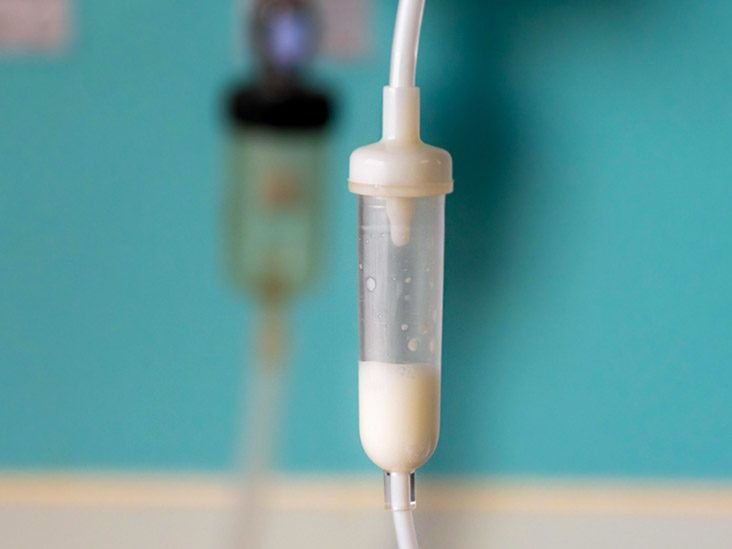
Feeding tube leakage can be concerning for patients and caregivers, particularly when nutrition and medication are being delivered through a tube as part of long-term care. For families receiving Tube feeding at home in Dubai, understanding why leakage occurs and how to respond safely can help prevent complications and maintain patient comfort. With guidance from qualified healthcare professionals, including services such as Doctor at Home, caregivers can learn to recognise warning signs, follow appropriate care instructions, and know when medical attention is necessary.
Understanding Feeding Tube Leakage:
Feeding tube leakage occurs when liquid formula, stomach contents, or other fluids escape around the tube or from a connection point. It may happen with different types of feeding tubes, including nasogastric (NG), gastrostomy (G-tube), PEG, and jejunostomy tubes. The cause depends on the tube type, its position, the condition of the surrounding skin, and the patient's individual health. A small amount of leakage may appear manageable, but repeated or increasing leakage should never be ignored because it can cause skin irritation, discomfort, infection, or problems with nutrition and hydration. Caregivers should observe when leakage occurs, how much fluid is present, and whether the patient experiences other symptoms.
Common Reasons Why Feeding Tubes Leak:
There are several reasons why a feeding tube may leak. Identifying the possible cause helps healthcare professionals decide what assessment or treatment is needed. However, caregivers should not attempt to adjust or reposition the tube themselves.
Common causes include:
-
Tube displacement: A feeding tube may move from its intended position, allowing fluid to escape around the insertion site or through an opening.
-
Loose connections: Feeding extensions, connectors, or syringes may not be secured correctly, causing formula to leak.
-
Skin irritation: Moisture, friction, or inflammation around a gastrostomy site can affect the surrounding tissue.
-
Incorrect tube fit: A tube that does not fit properly may contribute to leakage around the opening.
-
Increased pressure: Bloating, constipation, or delayed stomach emptying may contribute to fluid escaping around some feeding tubes.
-
Infection or inflammation: Redness, swelling, tenderness, or discharge may indicate a problem requiring medical assessment.
-
Damaged equipment: Cracks, worn connectors, or damaged tubing can cause formula or fluid to escape.
The exact cause should be assessed by a qualified healthcare professional rather than assumed by the caregiver.
Immediate Steps to Take When Leakage Occurs:
When leakage is noticed, caregivers should remain calm and focus on patient safety. First, identify where the fluid is coming from. Leakage around the skin opening is different from leakage at a connector or along the feeding tube, and each situation may require a different response. If leakage occurs during feeding, pause the feed while following the patient's care plan and contact the responsible healthcare professional for advice. Do not force formula or water through the tube, tighten external components beyond their prescribed position, or attempt to push the tube back into place. If the tube appears displaced, damaged, or partly pulled out, do not use it until a clinician has assessed it. Keep the surrounding area clean and dry, and observe the patient's condition for any signs of discomfort or deterioration.
How to Protect the Skin Around the Feeding Tube:
Fluid leaking around a gastrostomy or other abdominal feeding tube can irritate the surrounding skin. Stomach contents may be particularly irritating because they can cause redness, soreness, and skin breakdown when they remain in contact with the area. Gentle and consistent skin care helps reduce discomfort while the underlying cause is being assessed. Caregivers should follow the cleaning instructions provided by the clinical team and avoid applying creams, powders, antiseptics, or dressings unless these have been recommended for the patient.
Helpful skin-care practices include:
-
Wash hands thoroughly before and after providing tube-site care.
-
Clean the surrounding skin using the method recommended by the healthcare professional.
-
Pat the area dry gently instead of rubbing it.
-
Replace wet or soiled dressings according to the care plan.
-
Check for redness, swelling, tenderness, unusual odour, or discharge.
-
Avoid pulling, twisting, or putting unnecessary pressure on the tube.
-
Report persistent moisture or skin damage to the healthcare team.
These steps support skin hygiene but do not replace assessment of the cause of leakage.
When Feeding Tube Leakage Requires Medical Attention:
Persistent or unexplained leakage should be discussed with a doctor or qualified nurse. Even if the patient appears comfortable, repeated fluid loss may indicate a tube-position problem, an enlarged opening, infection, or another complication. Medical assessment is particularly important when leakage increases suddenly or occurs alongside changes in the patient's general condition. A healthcare professional can examine the tube, assess the insertion site, and determine whether adjustments, treatment, or replacement are necessary. Families should seek urgent medical assistance if the patient develops severe abdominal pain, significant bleeding, fever with worsening symptoms, repeated vomiting, or sudden deterioration. Breathing difficulty, choking, or suspected aspiration requires emergency attention.
What Caregivers Should Avoid During a Leakage Episode:
Well-intentioned actions can sometimes make a feeding tube problem worse. Caregivers should avoid trying to solve leakage through forceful cleaning, home remedies, or unapproved equipment adjustments. A feeding tube is a medical device, and its position and function must be maintained according to professional instructions. If the tube has moved or come out, attempting to reinsert it without appropriate training can cause injury. This is especially important for recently placed gastrostomy tubes, because the internal passage may not yet be established.
Avoid the following actions:
-
Do not push a displaced tube back into the opening.
-
Do not forcefully flush a blocked or leaking tube.
-
Do not use sharp objects to remove residue or clear a blockage.
-
Do not apply household adhesives or unapproved creams around the site.
-
Do not change the prescribed feeding rate or formula without professional advice.
-
Do not continue feeding through a tube suspected of being displaced or damaged.
-
Do not ignore repeated leakage simply because the amount appears small.
Following these precautions can reduce the risk of additional injury and help ensure that the patient receives appropriate care.
Preventing Future Feeding Tube Leakage:
Although not every episode of leakage can be prevented, consistent monitoring and correct equipment care can reduce avoidable problems. Caregivers should follow the prescribed feeding schedule, maintain good hygiene, and inspect the tube and its connections as part of the daily routine. The external tube position and surrounding skin should be observed for changes, without pulling or manipulating the device. Feeding equipment should be cleaned, stored, and replaced according to the manufacturer's instructions and the healthcare team's guidance. Patients may also require assessment for constipation, bloating, or other digestive concerns if these problems are associated with recurring leakage. Any changes to feeding volume, formula, water flushes, or administration speed should be made only under professional direction.
The Role of Professional Nurses in Managing Tube Leakage:
Professional nurses can help families understand feeding tube care and recognise complications before they become more serious. During home visits, a nurse may assess the patient's general condition, inspect the surrounding skin, review equipment hygiene, and check whether caregivers are following the prescribed care plan. Nurses can also explain how to identify leakage, protect irritated skin, and respond when a tube appears loose or damaged. If a problem requires medical assessment, they can advise families on contacting the appropriate clinician. For patients receiving Tube feeding at home in Dubai, professional home healthcare support can make daily care more organised while helping caregivers feel more confident. The exact services provided depend on the patient's condition, the nurse's scope of practice, and the treatment plan.
Final Thoughts
Feeding tube leakage should always be taken seriously, particularly when it happens repeatedly or is accompanied by discomfort, skin changes, or other symptoms. Caregivers should identify where the leakage is coming from, pause feeding when appropriate under the patient's care instructions, protect the surrounding skin, and seek professional guidance rather than attempting to adjust the tube themselves. Regular monitoring, proper hygiene, and timely medical assessment can help reduce complications and support patient comfort. With clear instructions and appropriate professional assistance, families can manage tube feeding care more safely at home.
