


How to Empty and Handle a Catheter Drainage Bag Safely
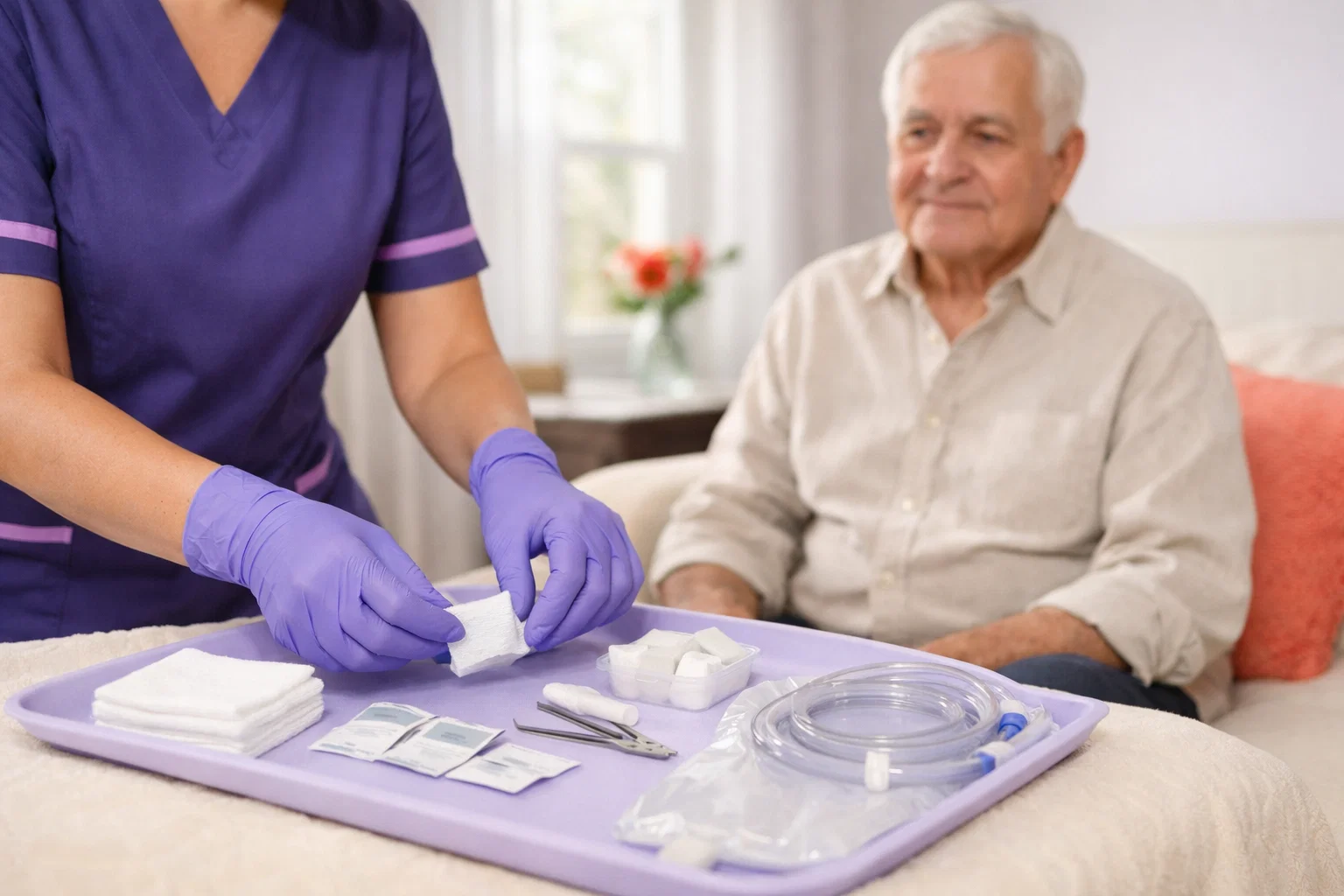
Properly emptying and handling a urinary catheter drainage bag is an essential part of maintaining hygiene, preventing infections, and supporting patient comfort at home. Individuals who use urinary catheters need to follow appropriate handling techniques to ensure that urine drains correctly and the collection system remains clean. Professional Catheter Care at Home Dubai services can help patients and caregivers understand safe drainage bag management through guidance from qualified nurses and a Doctor at Home. Whether someone requires temporary catheterization after surgery or long-term urinary support, learning how to empty the drainage bag correctly can reduce contamination risks and make daily care easier. Following a consistent routine also helps families identify potential drainage problems before they become more serious.
Understanding the Purpose of a Catheter Drainage Bag:
A catheter drainage bag collects urine from the bladder through a flexible tube connected to the urinary catheter. It is commonly used by patients who cannot empty their bladder naturally because of surgery, urinary retention, neurological conditions, or other medical problems. The drainage system generally includes a catheter, connecting tubing, and a collection bag that allows urine to flow away from the bladder. Depending on the patient's needs, a healthcare professional may recommend a larger bedside drainage bag for overnight use or a smaller leg bag for daytime mobility. Understanding the different components helps patients and caregivers handle the equipment properly, maintain a closed drainage system, and avoid unnecessary disconnections that may introduce bacteria.
Preparing Before Emptying the Drainage Bag:
Preparation is important because it reduces contamination risks and makes the emptying process more organized. Before handling the drainage bag, caregivers should wash their hands thoroughly with soap and water and gather the necessary supplies. These may include disposable gloves, a clean collection container if required, and tissues or disposable cleaning materials. The patient should be positioned comfortably, with the drainage bag accessible but kept below bladder level. Caregivers should also check that the outlet tap is easy to reach and that the tubing is not twisted or compressed. Important preparation steps include:
-
Wash hands thoroughly before handling the drainage system.
-
Wear disposable gloves when appropriate.
-
Prepare a clean, dedicated container if needed.
-
Ensure the drainage bag is positioned below bladder level.
-
Avoid placing the drainage bag on the floor.
-
Check that the outlet tap is accessible.
-
Keep clean supplies separate from used materials.
Good preparation helps maintain hygiene and prevents unnecessary handling during the procedure.
Step-by-Step Guide to Emptying a Catheter Drainage Bag Safely:
The drainage bag should be emptied regularly, preferably before it becomes overly full. Allowing the bag to become excessively heavy can place unnecessary tension on the catheter and increase the possibility of accidental pulling. To empty it, caregivers should follow the instructions provided for the specific drainage bag. After washing their hands and preparing the collection container, they should open the drainage outlet carefully without allowing the tap to touch the container or another surface. Once the urine has drained, the outlet should be closed securely. The collection container should be emptied into the toilet, and the outlet should be kept clean according to the manufacturer's or healthcare professional's instructions. After completing the process, caregivers should remove their gloves, dispose of used materials appropriately, and wash their hands again.
Maintaining Hygiene While Handling the Drainage Bag:
Maintaining cleanliness is essential because bacteria can enter the urinary system through contaminated hands, equipment, or drainage connections. Caregivers should avoid touching the inside of the outlet tap and should never allow it to come into contact with the toilet, collection container, or floor. The drainage system should remain closed unless disconnection is specifically required by a healthcare professional. Patients should also avoid unnecessary manipulation of the catheter tubing. Additional hygiene practices include:
-
Clean hands before and after handling the drainage bag.
-
Use a dedicated container for emptying urine.
-
Avoid touching the outlet opening.
-
Keep the drainage bag away from contaminated surfaces.
-
Clean the outlet according to professional instructions.
-
Replace disposable gloves after each care procedure.
-
Never reuse single-use drainage equipment.
These precautions help reduce contamination and support safer catheter management.
Keeping the Drainage Bag in the Correct Position:
Correct drainage bag positioning is important for maintaining continuous urine flow and preventing urine from moving backward toward the bladder. The collection bag should always remain below bladder level, whether the patient is sitting, standing, walking, or sleeping. It should never be placed directly on the floor or positioned higher than the bladder. During the day, a leg bag can be secured comfortably using appropriate straps, while a larger bedside bag may be used during sleep. Caregivers should ensure that the tubing has enough flexibility for movement without becoming twisted or stretched. Regularly checking the bag's position can help prevent drainage problems and unnecessary pressure on the catheter.
Monitoring Urine Colour, Quantity, and Appearance:
Observing the urine collected in the drainage bag can help caregivers identify changes that may require medical attention. Urine colour can vary from pale yellow to darker yellow depending on hydration, medication, diet, and individual health conditions. Caregivers should monitor significant changes in appearance, quantity, or consistency, particularly when accompanied by other symptoms. Cloudy or foul-smelling urine alone does not necessarily indicate an infection, but new changes combined with fever, discomfort, or unusual weakness should be reported to a healthcare professional. If urine output monitoring has been recommended, caregivers should record the collected amount at the intervals advised by the healthcare team. Sudden reductions in urine output or complete stoppage of drainage require prompt assessment.
Common Mistakes to Avoid When Emptying a Catheter Bag:
Even simple catheter maintenance tasks can create complications when performed incorrectly. One common mistake is allowing the drainage bag to become too full, which may increase its weight and pull on the catheter. Another is placing the collection bag above bladder level, potentially allowing urine to flow backward. Caregivers should also avoid disconnecting the drainage system unnecessarily or attempting to clean blocked tubing with unapproved methods. Important mistakes to avoid include:
-
Allowing the drainage bag to become excessively full.
-
Placing the collection bag directly on the floor.
-
Letting the outlet tap touch unclean surfaces.
-
Pulling or twisting the catheter during emptying.
-
Disconnecting the drainage system without medical instructions.
-
Using household cleaning chemicals inside the drainage bag.
-
Ignoring persistent leakage or reduced urine flow.
Following professional instructions helps prevent avoidable catheter-related problems.
Recognizing Problems That Require Professional Assistance:
Some drainage problems cannot be managed through routine bag emptying and require assessment by a qualified healthcare professional. Patients should seek assistance if urine stops flowing, leakage continues around the catheter, or the drainage system becomes damaged or disconnected. Other warning signs include fever, chills, lower abdominal pain, new discomfort, and blood in the urine that is new or increasing. Caregivers should never attempt to force urine through blocked tubing, remove a displaced catheter, or perform an untrained catheter replacement. Severe pain, fever with serious illness, or complete inability to drain urine accompanied by bladder discomfort requires urgent medical attention. Early professional assessment can help identify the cause and prevent further complications.
The Benefits of Professional Catheter Care at Home:
Managing a catheter drainage bag can become challenging for patients with limited mobility, elderly individuals, and people recovering from surgery. Professional Catheter Care at Home Dubai services provide access to trained nurses who can assist with drainage bag maintenance, hygiene education, catheter monitoring, and other appropriate nursing procedures. They can also teach family caregivers how to empty the collection bag safely, maintain the drainage system, and recognize warning signs that require medical attention. Receiving professional support at home can reduce caregiver uncertainty while allowing patients to remain in a familiar and comfortable environment. Personalized nursing guidance also helps families follow the patient's medical care plan more consistently.
Final Thoughts
Emptying and handling a catheter drainage bag safely requires proper hand hygiene, careful positioning, and attention to the drainage system. By following the correct emptying procedure, avoiding unnecessary disconnections, and monitoring urine changes, patients and caregivers can reduce contamination risks and support better urinary health. Professional Catheter Care at Home Dubai services offer valuable assistance through qualified nursing care, practical education, and ongoing monitoring. With a consistent hygiene routine and timely professional support, patients can manage catheter drainage more comfortably while maintaining their dignity, safety, and overall well-being at home.
