


Scalp Micropigmentation: Understanding Its Benefits and Limitations
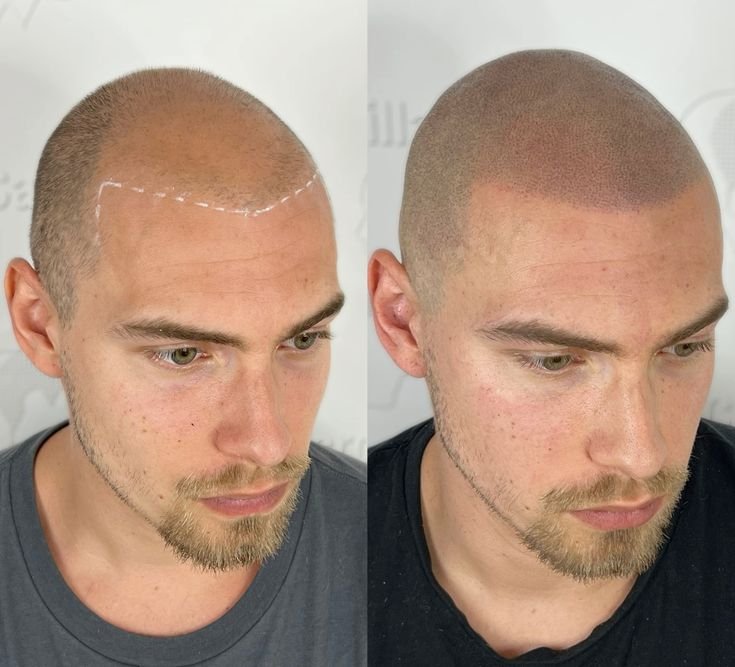
Hair loss and thinning hair can affect a person's appearance and confidence. Although several hair restoration options are available, not everyone wants to undergo surgery or use treatments designed to stimulate hair growth. Scalp micropigmentation offers a cosmetic alternative that creates the appearance of tiny hair follicles on the scalp. Scalp Micropigmentation in Islamabad is an option for individuals seeking to improve the appearance of thinning areas, camouflage certain scars, or achieve the look of a closely shaved hairstyle.
Before choosing this procedure, it is important to understand both its potential benefits and its limitations. Learning how the treatment works, what results to expect, and how to maintain them can help you make an informed decision.
What Is Scalp Micropigmentation?
Scalp micropigmentation (SMP) is a non-surgical cosmetic procedure that uses specialized pigments and fine needles to create small dots resembling hair follicles. These dots are carefully placed across selected areas of the scalp to produce the appearance of greater hair density.
The treatment may be considered by people experiencing a receding hairline, thinning hair, bald patches, or visible hair transplant scars. It can also create a defined hairline for individuals who prefer a closely shaved look.
Unlike a hair transplant, SMP does not involve moving hair follicles from one part of the scalp to another. It changes the visual appearance of the scalp rather than producing new hair growth.
Key Benefits of Scalp Micropigmentation
One of the main advantages of SMP is that it offers a cosmetic approach to hair loss without surgery. The procedure generally does not require the lengthy recovery associated with a hair transplant, although temporary redness, tenderness, and sensitivity may occur.
Other potential benefits include:
-
The appearance of fuller hair: Carefully placed pigment can reduce the visual contrast between thinning areas and the scalp.
-
Hairline definition: A practitioner can design a hairline that complements facial features and existing hair.
-
Scar camouflage: SMP may make suitable FUE or FUT hair transplant scars less noticeable.
-
Versatile styling options: It can be useful for people who prefer short hair or a shaved appearance.
-
Personalized treatment: Pigment placement and hairline design can be adjusted to suit individual preferences and scalp characteristics.
People considering Scalp Micropigmentation in Islamabad should discuss their goals with an experienced practitioner to understand which benefits are realistic for their circumstances.
Understanding the Limitations
Although SMP can improve the appearance of the scalp, it is not a cure for hair loss. It does not stimulate follicles, increase actual hair density, or prevent existing hair from thinning further.
The treatment also requires careful pigment placement. If the colour, dot size, or hairline design is unsuitable, the results may look unnatural. Pigment can fade or change in appearance over time, meaning maintenance sessions may be necessary.
Scar tissue can be particularly challenging because it may absorb pigment differently from normal skin. Some scars may respond well, while others may show uneven colour or require additional sessions.
Possible risks include infection, irritation, allergic reactions, unwanted cosmetic results, and pigment changes. Choosing a qualified practitioner who follows appropriate hygiene procedures can help reduce avoidable risks, but no procedure is entirely risk-free.
Who May Be a Suitable Candidate?
SMP may suit adults who want to camouflage thinning areas, create the appearance of a closely shaved head, or reduce the visibility of selected scalp scars. It may also be considered by people who are not suitable for hair transplantation or prefer a non-surgical cosmetic option.
However, suitability depends on scalp health, the pattern of hair loss, skin characteristics, medical history, and personal expectations. People with active scalp infections, inflammation, or unexplained skin changes should seek medical assessment before treatment.
If hair loss is sudden, patchy, or progressing quickly, consult a dermatologist or qualified healthcare professional to investigate the underlying cause. Cosmetic camouflage should not replace appropriate diagnosis or treatment.
What Happens During the Procedure?
Treatment usually begins with a consultation and scalp assessment. The practitioner reviews the person's hair loss pattern, discusses the desired appearance, and selects an appropriate pigment shade.
During the session, tiny pigment deposits are placed into the scalp using specialized equipment. The practitioner works carefully to create a consistent pattern that resembles natural follicles. Several sessions may be required, depending on the area being treated and the desired level of coverage.
Some discomfort may occur, and the scalp can temporarily appear red or sensitive afterward. The practitioner should explain the expected healing process, possible side effects, and aftercare requirements before beginning treatment.
Aftercare and Maintaining Results
Following aftercare instructions is important for protecting the treated skin and supporting an even cosmetic result. Depending on the practitioner's guidance, you may need to avoid excessive sweating, swimming, direct sunlight, and unnecessary contact with the treated area during the initial healing period.
Once the scalp has healed, sun protection can help reduce premature pigment fading. Avoid picking or scratching healing skin, and contact your practitioner if you notice unexpected swelling, worsening pain, discharge, or signs of infection.
Over time, pigment may become less visible. Periodic assessments can help determine whether a touch-up is appropriate. Maintaining realistic expectations is essential because results vary between individuals.
How to Choose the Right Practitioner
Selecting an experienced and reputable practitioner is an important part of the decision-making process. Ask about training, hygiene standards, pigment quality, and experience treating your specific concern.
Review clear before-and-after photographs of previous clients, especially those with similar hair loss patterns or scars. Discuss the likely number of sessions, total cost, potential risks, and the possibility of future maintenance.
A trustworthy practitioner should explain both the advantages and limitations of SMP rather than promising perfect or permanent results.
Conclusion
Scalp micropigmentation can provide a useful cosmetic option for people who want to improve the appearance of thinning hair, define a hairline, or camouflage certain scars. However, it does not restore hair growth or stop hair loss, and results depend on the individual's scalp and treatment plan. Before choosing Scalp Micropigmentation in Islamabad, seek a professional assessment, discuss realistic expectations, and make sure you understand the potential risks and long-term maintenance requirements.
Frequently Asked Questions
1. What are the main benefits of Scalp Micropigmentation in Islamabad?
Scalp Micropigmentation in Islamabad may help create the appearance of fuller hair, define a hairline, and camouflage certain scalp scars without hair transplant surgery. Results depend on individual characteristics and practitioner skill.
2. Does Scalp Micropigmentation in Islamabad stimulate natural hair growth?
No. Scalp Micropigmentation in Islamabad is a cosmetic procedure that places pigment in the scalp to imitate hair follicles. It does not stimulate hair growth or treat the underlying cause of hair loss.
3. What are the limitations of Scalp Micropigmentation in Islamabad?
Scalp Micropigmentation in Islamabad cannot create real hair, prevent ongoing hair loss, or guarantee complete scar concealment. Pigment may fade, colour may change, and touch-up sessions may be needed.
4. How can I prepare for Scalp Micropigmentation in Islamabad?
Before Scalp Micropigmentation in Islamabad, arrange a consultation, discuss your medical and scalp history, and follow the practitioner's preparation instructions. Ask about risks, aftercare, expected results, and maintenance before proceeding.
For more information visit
Enfield royal clinic in islamabad
