


What Is a Male Fertility Test and Why Is It Important?
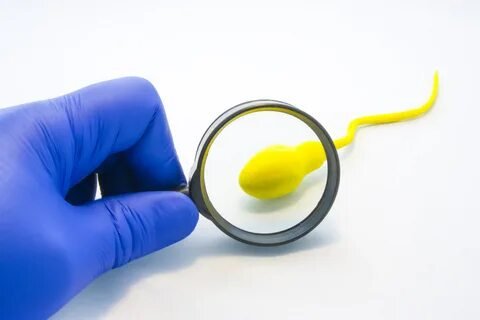
Fertility is an important aspect of reproductive health, yet many men do not consider checking their fertility until they experience difficulty conceiving with their partner. A Male Fertility Test in Dubai provides valuable information about sperm health, reproductive function, and potential medical conditions that may affect conception. Understanding how these tests work can help men make informed decisions about family planning and seek medical advice when necessary.
Whether you are preparing for fatherhood, have been trying to conceive, or want to understand your reproductive health, fertility testing can be a useful first step. This guide explains what a male fertility test is, why it matters, which tests are available, how to prepare, and what the results may reveal.
What Is a Male Fertility Test?
A male fertility test is a medical assessment used to evaluate a man's ability to contribute to conception. It examines factors related to sperm production, sperm quality, hormonal balance, and the reproductive system.
The most common initial investigation is a semen analysis, which measures sperm concentration, movement, shape, and other characteristics. Depending on the results and medical history, a doctor may recommend hormone tests, a physical examination, genetic testing, or imaging studies.
Male fertility testing is not limited to men who have already experienced infertility. It may also be appropriate for individuals with a history of testicular problems, reproductive surgery, hormonal disorders, or medical treatments that could affect sperm production.
It is important to remember that fertility testing does not provide an absolute guarantee of whether pregnancy will occur. Instead, it helps identify possible reproductive concerns and guides further evaluation or treatment.
Why Is a Male Fertility Test Important?
Male fertility testing helps uncover reproductive problems that may otherwise remain unnoticed. Many conditions affecting sperm production do not cause obvious symptoms, meaning a man may feel healthy while experiencing reduced fertility.
Identifying Problems With Sperm Quality
Healthy sperm need to be produced in sufficient numbers and move effectively to reach and fertilize an egg. A semen analysis can identify abnormalities in sperm concentration, motility, and morphology.
Low sperm concentration, reduced sperm movement, or a high proportion of abnormally shaped sperm may decrease the likelihood of natural conception. Identifying these findings helps doctors determine whether additional investigations are necessary.
Detecting Underlying Medical Conditions
Male infertility can be associated with hormonal imbalances, varicocele, reproductive tract obstruction, infections, genetic conditions, or impaired testicular function.
A fertility evaluation may help identify these issues before they lead to further complications. Some causes are treatable, while others may require specialized reproductive care.
Supporting Family Planning Decisions
Understanding reproductive health can help men and their partners make informed decisions about when to seek medical assistance. Early testing may prevent unnecessary delays and help couples explore suitable options, including lifestyle changes, medical treatment, or assisted reproductive technology.
Preserving Fertility Before Medical Treatment
Certain cancer treatments, including chemotherapy and radiation therapy, can damage sperm-producing cells. Men who are preparing for treatments that may affect fertility should discuss sperm freezing and fertility preservation with their healthcare team before treatment begins, when possible.
How Does a Male Fertility Test Work?
The testing process usually begins with a consultation and a review of medical history. A healthcare professional may ask about previous illnesses, medications, sexual health, testicular injuries, surgeries, and how long the couple has been trying to conceive.
The next steps depend on the individual's circumstances.
Step 1: Semen Analysis
A semen analysis is generally the first laboratory test used to evaluate male fertility. The sample is examined to determine whether sperm production and semen characteristics fall within expected reference ranges.
Laboratories commonly assess:
-
Sperm concentration: The number of sperm per milliliter of semen.
-
Total sperm count: The total number of sperm in the complete ejaculate.
-
Sperm motility: The percentage of sperm that move, including those that move forward effectively.
-
Sperm morphology: The percentage of sperm with a typical shape and structure.
-
Semen volume: The amount of semen produced during ejaculation.
-
Sperm vitality: The proportion of living sperm, when this measurement is indicated.
These parameters provide useful information about reproductive potential, but they must be interpreted together rather than individually.
Step 2: Hormone Testing
If semen analysis results are abnormal or symptoms suggest an endocrine problem, a doctor may recommend blood tests to evaluate reproductive hormones.
Common tests include follicle-stimulating hormone (FSH), luteinizing hormone (LH), and testosterone. Prolactin or other hormones may be assessed when clinically appropriate.
These tests can help identify hormonal conditions that affect sperm production or sexual function. However, hormone testing is not necessary for every man undergoing fertility evaluation.
Step 3: Physical Examination
A reproductive health examination allows the doctor to assess the testicles, penis, and related structures. The examination may reveal a varicocele, testicular abnormalities, or other findings that could affect fertility.
The clinician may also evaluate signs of hormonal disorders or previous reproductive injuries.
Step 4: Additional Diagnostic Tests
Some men require further investigations based on their initial results. These may include genetic testing, scrotal ultrasound, or specialized investigations for suspected reproductive tract obstruction.
For example, genetic testing may be considered in men with very low sperm counts or azoospermia, which means no sperm are detected in the ejaculate.
Not every patient needs all these tests. A specialist recommends additional investigations when the findings are likely to influence diagnosis or treatment.
Who Should Consider Getting a Male Fertility Test?
Male fertility testing is particularly useful when there are concerns about conception or reproductive health.
You may benefit from an evaluation if:
-
You and your partner have been trying to conceive for 12 months without success.
-
Your partner is 35 or older and pregnancy has not occurred after six months of trying.
-
You have a history of undescended testicles, testicular injury, or reproductive surgery.
-
You have experienced chemotherapy or radiation treatment.
-
You have symptoms associated with low testosterone or other hormonal conditions.
-
You have erectile dysfunction, ejaculation difficulties, or known reproductive tract problems.
-
You have previously received an abnormal semen analysis result.
Medical evaluation may be appropriate sooner when either partner has a known fertility risk factor. Fertility assessment should generally consider both partners rather than focusing exclusively on one person.
How to Prepare for a Male Fertility Test?
Preparing correctly for a semen analysis helps the laboratory obtain a sample that can be evaluated consistently.
Most laboratories recommend abstaining from ejaculation for two to seven days before collecting a semen sample. However, you should follow the specific instructions provided by your testing facility.
For reliable sample collection, keep the following points in mind:
Follow collection instructions. Use the sterile container supplied or approved by the laboratory.
Collect the complete sample. Losing part of the ejaculate may affect the accuracy of the results, so inform the laboratory if any portion is missed.
Avoid unapproved lubricants. Ordinary lubricants and standard condoms may interfere with sperm assessment unless specifically approved for sample collection.
Discuss medications and supplements. Inform your doctor about prescription medicines, testosterone therapy, anabolic steroids, and supplements that could influence reproductive function.
Report recent illness. A significant fever or recent illness may temporarily affect sperm production. Your doctor may consider this when interpreting the findings.
If the sample is collected at home, follow the laboratory's instructions for transport time and temperature.
Understanding Male Fertility Test Results:
Receiving a semen analysis report can be confusing because laboratory measurements are often presented alongside reference values. These values help clinicians interpret results, but they do not create a strict division between fertile and infertile men.
The World Health Organization's sixth edition semen laboratory manual reports lower fifth-percentile reference values among men whose partners conceived naturally. Commonly cited values include approximately 16 million sperm per milliliter, 39 million sperm per ejaculate, 42% total sperm motility, and 4% normal sperm morphology.
These measurements must be considered alongside other semen characteristics, medical history, and clinical findings.
An abnormal result does not necessarily mean that natural conception is impossible. Similarly, a normal semen analysis cannot guarantee pregnancy because fertility depends on several factors involving both partners.
Doctors may recommend repeating an abnormal semen analysis because sperm parameters can vary between samples. Further testing may help identify the underlying cause and determine the most appropriate next steps.
What Can Affect Male Fertility?
Several medical and lifestyle factors can influence sperm health and reproductive function.
Varicocele, hormonal disorders, certain infections, genetic conditions, and blockages in the reproductive tract can interfere with sperm production or delivery. Chronic medical conditions and previous cancer treatments may also affect reproductive potential.
Lifestyle factors can contribute as well. Smoking, anabolic steroid use, excessive alcohol consumption, obesity, and exposure to certain environmental toxins may negatively affect sperm quality.
External testosterone is particularly important to discuss with a doctor because testosterone replacement therapy can suppress the hormones needed for sperm production and significantly reduce sperm count.
Although some fertility-related conditions can be treated, the most effective approach depends on identifying the specific cause rather than relying on supplements or self-treatment.
Can Male Fertility Improve After Testing?
In some cases, fertility can improve when an underlying problem is identified and treated. The appropriate treatment depends on the diagnosis, severity of the condition, and reproductive goals.
A doctor may recommend treating a specific hormonal disorder, addressing a suitable varicocele, or managing an infection or reproductive tract obstruction when indicated.
Healthy habits, including regular physical activity, balanced nutrition, adequate sleep, maintaining a healthy weight, and avoiding smoking or anabolic steroids, can support overall reproductive health.
If natural conception remains difficult, treatment options may include intrauterine insemination, in vitro fertilization, or intracytoplasmic sperm injection. In selected cases, sperm retrieval procedures may also be considered.
Not every man needs medical treatment, and supplements marketed for male fertility do not have strong evidence of effectiveness in every situation. Treatment decisions should be based on professional evaluation.
Frequently Asked Questions About Male Fertility Testing:
Is a male fertility test painful?
A standard semen analysis is noninvasive and generally painless. Blood tests may cause brief discomfort at the needle site, while specialized diagnostic procedures may involve additional considerations.
How long does a male fertility test take?
Semen collection usually takes a short time, but the laboratory may need several days to process and report the results. Hormone and genetic tests can have different turnaround times.
Can a man have normal sperm but still experience infertility?
Yes. Semen analysis evaluates important aspects of sperm health, but it does not measure every factor involved in conception. Fertility also depends on sexual function, reproductive anatomy, sperm function, and the reproductive health of both partners.
Should a male fertility test be repeated?
A repeat test may be recommended when the initial results are abnormal or inconsistent with the clinical picture. Your doctor will determine the timing based on the results, recent illness, and the reason for testing.
Conclusion:
A male fertility Lab tests is an important tool for understanding reproductive health, identifying potential causes of infertility, and making informed family planning decisions. Semen analysis is usually the first step, while hormone testing, physical examination, genetic investigations, and imaging may provide additional information when needed.
The value of fertility testing lies not only in identifying abnormal results but also in understanding what those results mean for an individual's reproductive goals. If you have concerns about sperm health or difficulty conceiving, consult a qualified healthcare professional for an appropriate evaluation and personalized guidance.
