


Can Warts Return After Successful Removal?
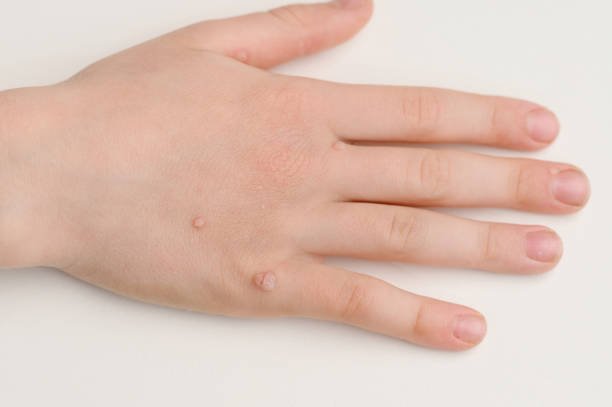
Warts are common skin growths caused by certain types of human papillomavirus (HPV). They can develop on the hands, feet, face, and other parts of the body, sometimes causing discomfort or cosmetic concerns. Although treatment can remove visible wart tissue, some people notice a new growth in the same area or nearby skin after the original wart has disappeared. This can happen because treatment removes or destroys the visible growth without always eliminating the virus from surrounding skin. Understanding why warts return and how to reduce the risk of recurrence can help patients make informed decisions. For those considering genital warts treatment in saudi arabia, knowing what to expect after treatment is an important part of managing skin health.
Why Can Warts Return After Removal?
Yes, warts can return after successful removal. The visible growth may disappear following treatment, but HPV can sometimes remain in nearby skin. If the virus continues to affect skin cells, another wart may develop.
Recurrence does not necessarily mean the original procedure was unsuccessful. It may reflect persistent viral activity, a new infection, or the development of a wart that was too small to notice during the initial treatment.
The Virus May Remain in Nearby Skin
Wart removal methods target the affected tissue, but they do not always eliminate every virus-infected cell in the surrounding area. As a result, a wart may reappear even after the treated skin has healed.
The likelihood of recurrence varies according to the type of wart, the treatment used, and the individual's response. Some people experience lasting improvement after one treatment course, while others need additional care.
New Infection or Spread to Nearby Areas
HPV can spread through direct contact with an existing wart or, in some circumstances, through contaminated objects and surfaces. Scratching, biting, or picking at a wart may transfer the virus to nearby skin.
A growth that appears after removal may therefore represent recurrence or a new infection. A clinician can examine the area to help determine what is happening and whether further treatment is needed.
Which Factors Increase the Risk of Recurrence?
Several factors can influence whether warts return after treatment. Understanding these factors helps patients take reasonable precautions without assuming that recurrence can always be prevented.
Wart Type and Location
Some warts are more difficult to manage than others. Plantar warts on the soles of the feet may be thick and persistent, while warts around the nails can be challenging to treat because of their location.
Longstanding or previously treated warts may also require repeated sessions. The appropriate approach depends on the growth's characteristics and how it responds to treatment.
Immune System Function
The immune system plays an important role in controlling HPV. People with weakened immune systems may be more likely to develop persistent, widespread, or recurrent warts.
However, recurrence can also happen in otherwise healthy individuals. A returning wart does not automatically indicate an immune system problem.
Incomplete Treatment or Early Reappearance
Some treatments require several sessions or consistent use over a number of weeks. If treatment stops too early, the wart may not resolve completely. At the same time, aggressive or repeated treatment without guidance can damage healthy skin.
Follow the recommended treatment schedule and attend follow-up appointments when advised. If the growth persists, a clinician can assess whether further treatment or a different method is appropriate.
Can Warts Return After Different Removal Methods?
The risk of recurrence varies, and no treatment guarantees permanent removal for every patient.
Cryotherapy
Cryotherapy uses a freezing agent, usually liquid nitrogen, to destroy wart tissue. It is commonly used for several types of ordinary skin warts, but some require multiple sessions.
A wart may return if affected tissue remains or HPV continues to be present in nearby skin. Temporary blistering, soreness, and changes in skin pigmentation can occur after treatment.
Topical Treatments
Salicylic acid and other selected topical treatments work by gradually removing affected skin or helping manage the wart. They often require consistent application over several weeks.
If the wart does not resolve fully, it may persist or become noticeable again. These products should be used according to their instructions and are not suitable for every body area.
Surgical and Laser Procedures
Selected persistent warts may be treated with electrosurgery, curettage, or laser procedures. These methods can remove or destroy visible tissue, but recurrence remains possible.
Healing time, scarring risk, and treatment suitability depend on the procedure and location. A clinician should explain the potential benefits and limitations before treatment.
For individuals considering Warts Removal Treatment in Riyadh, understanding the possibility of recurrence can help establish realistic expectations and support appropriate follow-up care.
How Can You Reduce the Risk of Warts Returning?
There is no guaranteed way to prevent recurrence, but practical skin-care habits may reduce the spread of HPV and protect the treated area.
Avoid Picking or Scratching the Skin
Picking, cutting, or scratching a wart can injure the skin and potentially spread the virus to nearby areas. Allow treated tissue to heal according to your clinician's instructions.
If a blister or crust develops after treatment, do not deliberately remove it. Contact a healthcare professional if healing appears abnormal.
Maintain Good Personal Hygiene
Wash your hands after touching a wart, avoid sharing nail clippers or towels that contact affected skin, and wear footwear in communal showers and changing areas. If you have a wart on your foot, avoid walking barefoot in shared wet spaces.
These precautions can help reduce exposure, although they cannot eliminate every risk of infection.
Follow the Recommended Aftercare Plan
Aftercare depends on the method used. Keep the area clean, protect it as instructed, and avoid applying additional wart products or irritating skin treatments unless your clinician approves them.
Attend follow-up appointments when recommended, particularly if the wart was persistent or required several sessions.
What Should You Do If a Wart Comes Back?
If a growth reappears, avoid immediately repeating the same treatment without considering why it returned. The clinician may examine the area, confirm whether it is a wart, and review the previous treatment and healing process.
Depending on the findings, further cryotherapy, topical treatment, or another clinical approach may be considered. Some recurring growths need a different strategy, while others may be suitable for monitoring.
A professional assessment is particularly important if the growth changes rapidly, bleeds repeatedly, becomes unusually painful, develops irregular coloring, or does not resemble a typical wart. Other skin conditions can look similar and may require a different diagnosis.
When Is Professional Wart Removal Appropriate?
Treatment may be useful when a wart is painful, spreads, persists despite appropriate home care, or affects daily activities. Growths on the face, around the nails, or in other sensitive areas should be assessed carefully before removal.
Genital warts require specific medical evaluation and should not be treated with ordinary over-the-counter wart removers. People with diabetes, poor circulation, reduced sensation, or weakened immune systems should also seek professional advice before attempting self-treatment.
An individualized plan for Warts Removal Treatment in Riyadh can help address recurring growths while taking account of skin sensitivity, medical history, and previous treatment outcomes.
Understanding Long-Term Results After Wart Removal
Warts can return after successful treatment because HPV may remain in surrounding skin or because a new infection develops. The likelihood of recurrence depends on several factors, and no removal method can guarantee that a wart will never appear again. Appropriate treatment, careful aftercare, and sensible hygiene practices can help manage the condition and reduce opportunities for spread.
For professional guidance on Warts Removal Treatment in Riyadh, contact Royal Clinic Saudia to arrange a consultation and discuss suitable options if a wart persists or returns after removal.
