


How Lymphatic Massage Works and Why It Is Used
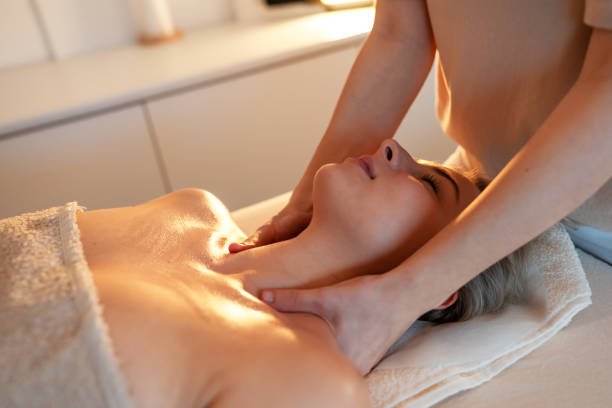
The lymphatic system plays an essential role in maintaining fluid balance, transporting lymph throughout the body, and supporting immune function. When lymphatic drainage becomes impaired, fluid can accumulate in tissues and cause swelling. Lymphatic massage is a gentle technique that may help manage certain types of swelling when performed appropriately. For people researching massage in riyadh, understanding how the treatment works, why it is used, and when professional guidance is necessary can help them make informed decisions about their care.
What Is Lymphatic Massage?
Lymphatic massage, also known as manual lymphatic drainage (MLD), is a specialized technique that uses light, rhythmic movements on the skin to encourage lymph fluid to move through functioning lymphatic pathways. Unlike traditional massage, which may use deeper pressure to address muscle tension, lymphatic massage generally involves gentle and carefully directed movements.
The technique is commonly used as part of care for selected lymphatic conditions, particularly lymphedema. In certain circumstances, it may also be recommended as part of postoperative care under the guidance of a surgeon or healthcare professional.
How Does the Lymphatic System Work?
To understand lymphatic massage, it helps to know how the lymphatic system normally functions.
Collecting Excess Tissue Fluid
Fluid naturally moves from blood vessels into surrounding tissues. Much of this fluid returns directly to the bloodstream, while the lymphatic system collects excess fluid and transports it through a network of small vessels. This helps maintain a healthy balance between fluid in the bloodstream and fluid in body tissues.
Filtering Lymph Through Lymph Nodes
As lymph travels through the lymphatic vessels, it passes through lymph nodes. These structures contain immune cells and help filter lymph as part of the body's defense system. Eventually, lymph fluid returns to the bloodstream through larger lymphatic ducts.
What Happens When Drainage Is Impaired?
If lymphatic vessels are damaged, blocked, or unable to transport fluid effectively, fluid may accumulate in tissues. This can lead to lymphedema, which may cause swelling, heaviness, tightness, or changes in the affected skin. The underlying cause of swelling should be assessed by a healthcare professional before treatment is considered.
How Lymphatic Massage Works
Manual lymphatic drainage uses specific hand movements designed to encourage lymph fluid toward functioning drainage pathways. The practitioner applies gentle pressure to the skin rather than deeply manipulating the muscles.
Gentle, Rhythmic Movements
A trained practitioner uses slow, controlled movements in a particular sequence. The technique may begin around selected drainage areas before addressing the region affected by swelling. The exact method depends on the individual's condition, medical history, and treatment goals.
Supporting Fluid Movement
In appropriate patients, manual lymphatic drainage may help move fluid away from swollen tissues toward functioning lymphatic pathways. However, results vary, and the technique may not be effective for every cause of swelling. It does not replace normal lymphatic function or detoxify the body beyond its natural processes.
People considering Lymphatic Massage in Riyadh should seek a practitioner with appropriate training and a clear understanding of the reason for treatment.
Why Is Lymphatic Massage Used?
Lymphatic massage may be recommended for specific medical or postoperative needs rather than as a routine treatment for everyone.
Managing Lymphedema
Lymphedema occurs when lymph fluid accumulates because the lymphatic system cannot drain it adequately. It may develop after certain surgeries, cancer treatments, lymphatic injury, or inherited conditions.
Manual lymphatic drainage may be included in a comprehensive management plan alongside compression therapy, appropriate exercise, skin care, and education. The treatment plan should be tailored to the person's condition and supervised by qualified healthcare professionals.
Supporting Selected Postoperative Care
Swelling can occur after some surgical procedures as tissues heal. In selected cases, a surgeon may recommend gentle lymphatic techniques as part of recovery care.
If you are considering Lymphatic Massage in Riyadh after cosmetic surgery, obtain approval from your surgeon before beginning treatment. The correct timing depends on the procedure, incision healing, presence of surgical drains, and individual recovery progress. Massage should not be performed over healing wounds or areas of suspected complications without explicit medical guidance.
Addressing Feelings of Heaviness and Tightness
Some people with lymphatic conditions experience discomfort, heaviness, or tightness in swollen areas. When the technique is appropriate, manual lymphatic drainage may help relieve some symptoms. However, it is not a guaranteed solution, and persistent symptoms require professional evaluation.
What to Expect During a Session
A first appointment usually begins with a review of your medical history, symptoms, medications, previous surgeries, and treatment goals. The practitioner should determine whether lymphatic massage is suitable or whether medical assessment is needed first.
During treatment, you will generally lie or sit in a comfortable position while the practitioner applies gentle, rhythmic movements to the relevant areas. The technique should not involve forceful pressure or significant pain. Speak up if you feel discomfort, dizziness, or worsening symptoms.
The duration and frequency of sessions depend on the treatment purpose and individual needs. Some people with diagnosed lymphedema may require ongoing management, while others may not benefit from repeated sessions.
Healthy Habits That Support Lymphatic Function
Lymphatic massage is only one possible component of care for selected conditions. General health habits also support normal body functions.
Stay Physically Active
Walking and other suitable forms of movement support circulation and overall fitness. Muscle contractions can also assist normal lymph movement. If you have lymphedema or another medical condition, ask your healthcare provider which activities are suitable.
Maintain a Balanced Diet
Eat a variety of vegetables, fruits, whole grains, protein-rich foods, and healthy fats. Drink fluids according to your needs and any medical advice you have received. People with heart or kidney conditions may need individualized guidance about fluid and salt intake.
Protect Your Skin
Keep your skin clean and moisturized, particularly if you have a condition that increases the risk of skin complications. Follow medical advice for managing cuts, irritation, or possible infections.
Who Should Avoid Lymphatic Massage?
Lymphatic massage may be unsuitable or require medical clearance for people with suspected blood clots, acute infections, certain heart conditions, or other significant medical problems. Individuals with kidney disease, active cancer, or unexplained swelling should consult their treating clinician before beginning treatment.
Seek prompt medical assessment if swelling develops suddenly, becomes increasingly painful, or occurs with warmth, redness, or fever. Sudden chest pain or difficulty breathing requires emergency medical attention.
Conclusion
Lymphatic massage works through gentle, targeted movements intended to support lymph fluid movement along functioning drainage pathways. It may be useful for selected conditions, particularly when managing lymphedema or following certain surgical procedures under professional guidance. Its benefits depend on the underlying cause of swelling, individual health, and appropriate treatment.
If you are exploring Lymphatic Massage in Riyadh, Royal Clinic Saudia can help you learn about suitable care options and discuss whether this technique may fit your needs. Schedule a consultation to receive professional guidance before beginning treatment.
