


Turnkey Commercial Construction in Pakistan: A Complete Guide for Business Owners
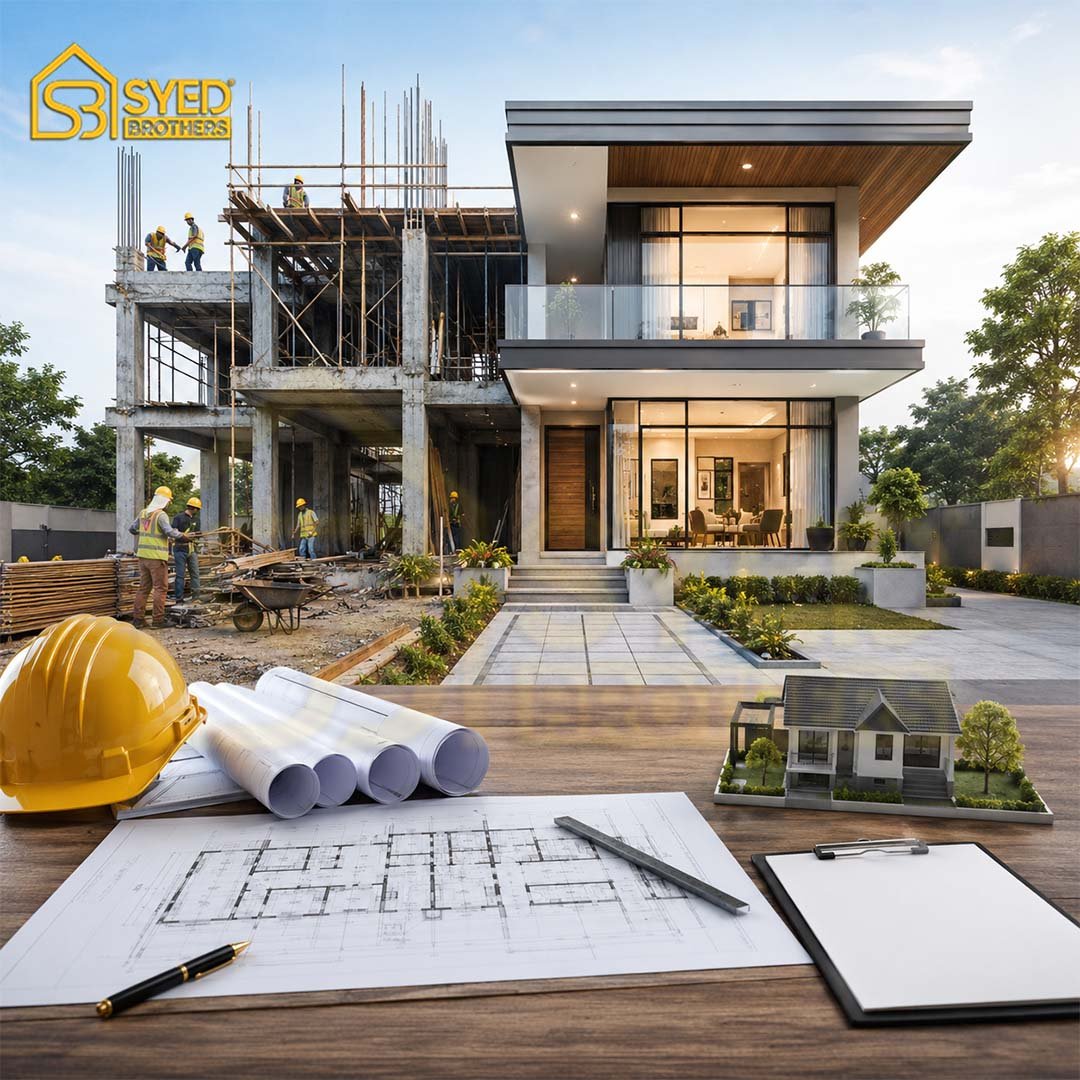
Constructing a commercial building requires careful planning, financial management, technical expertise, and coordination between multiple teams. Whether you are developing an office building, retail outlet, showroom, plaza, or mixed-use property, every construction decision can influence the project's cost, functionality, and long-term value.
Turnkey commercial construction in Pakistan offers a coordinated approach in which one construction company manages the project from initial planning through structural development, finishing, and final handover. Instead of coordinating several independent contractors, business owners can work with one team responsible for delivering the agreed scope of work.
What Is Turnkey Commercial Construction?
Turnkey commercial construction is a project delivery method in which a contractor manages multiple stages of construction under one agreement. Depending on the contract, these services may include architectural design, structural engineering, regulatory approvals, grey structure construction, mechanical and electrical systems, interior finishing, and handover.
This approach can be useful for business owners who need a functional commercial property without managing every construction activity themselves.
For example, an investor planning a commercial plaza may need architectural layouts, structural calculations, parking arrangements, electrical installations, plumbing, fire safety provisions, and exterior finishing. A coordinated turnkey team can plan these elements together instead of treating them as separate projects.
The precise scope depends on the agreement, so all inclusions and exclusions should be documented before work begins.
Why Businesses Choose Turnkey Construction
1. Centralized Project Management
Managing separate architects, engineers, contractors, and finishing teams can create communication gaps. A turnkey contractor provides a central point of contact for scheduling, coordination, and progress reporting.
This can make it easier for business owners to monitor construction milestones and address issues before they affect subsequent activities.
2. Better Budget Planning
Commercial construction involves several cost categories, including materials, labour, engineering, equipment, installations, and finishing. A detailed budget helps investors understand the expected financial commitment before construction starts.
A well-prepared bill of quantities (BOQ) should identify quantities, specifications, rates, and relevant work items. It should also clarify provisional allowances and items that are not included.
Although a turnkey agreement can improve cost visibility, it does not automatically guarantee a fixed final cost. Changes in scope, unforeseen site conditions, and contractual exclusions can affect the budget.
3. Coordination Between Building Systems
Commercial buildings require more than a strong structure. Electrical distribution, plumbing, ventilation, lighting, communication systems, and other building services must work together.
Planning these systems alongside the architectural and structural design can reduce conflicts during installation and minimize the need for expensive alterations later.
4. A More Organized Construction Schedule
A commercial project typically progresses through planning, approvals, foundations, structural work, building services, finishing, testing, and handover.
A coordinated construction schedule identifies the order of these activities and the dependencies between them. For instance, electrical and plumbing installations often need to be coordinated before walls and ceilings are closed.
A realistic schedule should include approval requirements, material lead times, inspections, and time for correcting defects.
Key Stages of a Turnkey Commercial Project
Stage 1: Project Planning and Feasibility
The first stage involves defining the purpose of the building, expected occupancy, approximate floor area, budget, and operational requirements.
A retail building may prioritize customer circulation and visibility, while an office project may require meeting rooms, structured cabling, and efficient HVAC planning.
The team should also review site conditions, access, parking, applicable building regulations, and the feasibility of the proposed design.
Stage 2: Architectural and Structural Design
Architectural drawings establish the layout, circulation, elevations, and use of space. Structural engineering determines the building's load-bearing system based on the approved design and relevant technical requirements.
These disciplines must be coordinated from the beginning. Changes to columns, stairs, service shafts, or floor layouts can affect other systems and increase project costs if introduced late.
Stage 3: Approvals and Grey Structure
Depending on the project, required approvals may involve the relevant development authority, local government, building control body, or housing society.
Grey structure work generally includes excavation, foundations, the structural frame, masonry, and roof slabs, according to the approved design and contract.
Material quality, reinforcement placement, concrete work, curing, and site inspections are essential quality-control considerations.
Stage 4: MEP Installation and Interior Finishing
MEP refers to mechanical, electrical, and plumbing systems. Their requirements vary by building type and may include ventilation, electrical distribution, water supply, drainage, and other essential services.
Finishing may include flooring, ceilings, paint, doors, windows, façade treatments, and other specified installations.
Commercial buildings should be designed around the needs of their occupants and business operations rather than appearance alone.
Stage 5: Testing and Final Handover
Before handover, the contractor and owner should inspect the completed work against the agreed specifications.
Depending on the project, this may include electrical and plumbing testing, equipment commissioning, checking doors and windows, inspecting finishes, and reviewing outstanding defects.
The handover package should identify warranties, equipment manuals, maintenance requirements, and any approvals or completion documents required for the building.
How to Evaluate a Turnkey Construction Contractor
Selecting the right contractor is one of the most important decisions in a commercial construction project.
Before signing an agreement, consider the following:
-
Relevant experience: Review completed projects similar in scale and purpose to your proposed building.
-
Detailed BOQ: Confirm that the quotation explains materials, quantities, labour, and major cost categories.
-
Written specifications: Verify material grades, brands where applicable, installation standards, and finishing requirements.
-
Project schedule: Request milestones and understand how delays and extensions will be handled.
-
Quality control: Ask who supervises the site and how inspections are documented.
-
Payment terms: Link payments to clearly defined milestones and agreed verification procedures.
-
Change management: Establish how variations, additional work, and revised specifications will be approved and priced.
A low initial quotation is not necessarily the best value. Compare proposals using the same scope, specifications, exclusions, and payment structure.
Common Mistakes to Avoid
One common mistake is beginning construction without finalizing the building's intended use. Changes to layouts, electrical requirements, or mechanical systems during construction can create unnecessary costs.
Another is accepting a quotation without understanding exclusions. Items such as external development, utility connections, specialized equipment, approval fees, or certain finishing materials may be treated differently by different contractors.
Investors should also avoid relying exclusively on verbal commitments. Important decisions, variations, approvals, and payment milestones should be recorded in writing.
Finally, quality inspections should continue throughout construction. Waiting until handover to identify major defects can make corrective work more difficult.
Is Turnkey Commercial Construction Right for Your Project?
Turnkey construction may suit investors and business owners who prefer centralized project management, coordinated building systems, and one clearly defined contractual relationship.
However, the benefits depend on the contractor's competence, the clarity of the agreement, and the effectiveness of site supervision. Owners should remain involved in approvals, design decisions, budget monitoring, and milestone verification.
The objective is not simply to complete a building. It is to create a safe, functional property that supports its intended commercial purpose.
Plan Your Commercial Construction Project with Syed Brothers
Syed Brothers provides design and construction-related services for property owners planning residential and commercial projects. A coordinated approach to design, structural work, building services, finishing, and project management can help owners establish clearer expectations before construction begins.
If you are planning a commercial building in Pakistan, explore the turnkey construction services offered by Syed Brothers to understand the available services and discuss your project's requirements.
Start with a clear scope, a documented budget, and a practical construction plan to make more informed decisions about your commercial investment.
