


How to Keep Ventilator Tubing and Accessories Safe and Organized
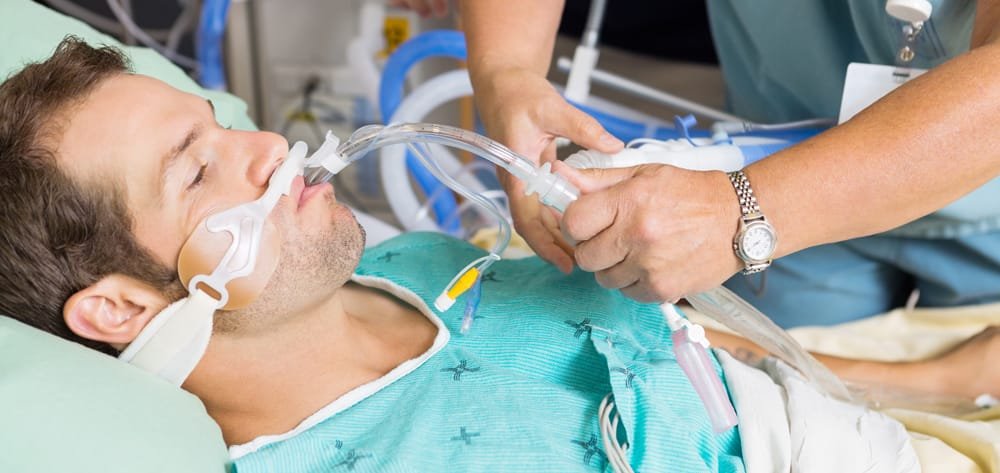
Keeping ventilator tubing and accessories safe and organized is an important part of providing reliable respiratory support at home. For families arranging Ventilator Care At Home In Dubai, a clean, well-organized care area can help reduce avoidable equipment problems, support daily routines, and make essential supplies easier to locate. A Doctor at Home service may also help patients receive appropriate medical assessments and follow-up when needed. However, equipment organization must always follow the ventilator manufacturer's instructions and the patient's prescribed care plan. By learning how to position tubing, store accessories, maintain cleanliness, and recognize potential hazards, families and trained caregivers can create a safer environment for patients who depend on mechanical ventilation.
Why Proper Ventilator Equipment Organization Matters:
Ventilators use several components that work together to support breathing, including breathing circuits, connectors, filters, humidification equipment, and interfaces or tracheostomy-related supplies, depending on the patient's setup. Poor organization can increase the risk of tubing becoming kinked, pulled, disconnected, or caught on nearby objects. It can also make it harder for caregivers to find necessary supplies quickly during routine care or an urgent situation. An organized setup helps caregivers identify equipment more easily and notice visible changes, damage, or misplaced accessories. The exact arrangement should be determined by the patient's clinical requirements, the device instructions, and advice from qualified professionals rather than by convenience alone.
Choosing a Suitable Location for Ventilator Equipment:
The ventilator should be positioned in a stable, accessible location that allows caregivers to observe the patient and reach the controls when necessary. The equipment should be kept away from spills, excessive dust, direct heat, and other environmental hazards identified in the manufacturer's instructions. Cables and power cords should be arranged to reduce tripping risks without restricting access to the power supply or backup equipment. Caregivers should avoid placing the device where furniture, bedding, curtains, or other objects could obstruct vents or interfere with its operation. The patient’s bed and surrounding space should also allow trained caregivers to provide prescribed care safely. A healthcare professional or equipment provider can help assess the setup before the patient begins receiving ventilation at home.
Keeping Ventilator Tubing Free From Kinks and Pulling:
Breathing tubing needs careful positioning because kinks, compression, excessive tension, or accidental disconnection may interfere with ventilation. Caregivers should follow the approved circuit arrangement and check that tubing is not trapped beneath the patient, bed rails, furniture, or other equipment. Tubing should have enough slack for prescribed movements and routine care, but it should not form loops that create entanglement or pulling hazards. Avoid hanging heavy objects from the circuit or making unapproved changes to its length or configuration. Any supports or holders used to guide tubing must be appropriate for the specific equipment and must not compress or obstruct it. If tubing repeatedly becomes displaced, ask the clinical team or equipment provider to review the setup.
Organizing Accessories and Essential Supplies:
Keeping accessories in designated locations helps caregivers find what they need without searching through drawers or moving equipment unnecessarily. Supplies should be stored according to their cleanliness requirements, manufacturer guidance, and the patient's care plan. Clean accessories must be kept separate from used or contaminated items, and disposable products should be replaced as directed. A simple storage system can include clearly identified areas for approved spare supplies, cleaning materials, and personal protective equipment. Depending on the patient's setup, useful organizational practices may include:
-
Store clean supplies in a dry, protected location.
-
Keep used or contaminated items separate from clean equipment.
-
Label storage areas clearly so trained caregivers can identify supplies quickly.
-
Check expiry dates and packaging integrity where applicable.
-
Keep emergency contacts and the written care plan accessible.
-
Store spare components only when they are approved for the patient's ventilator system.
Families should confirm with the healthcare team which accessories and backup items are required for their specific patient.
Following Safe Cleaning and Infection-Control Practices:
Ventilator accessories may have different cleaning, disinfection, replacement, or disposal requirements. Some components are reusable, while others are intended for single use or replacement at specified intervals. Caregivers should never assume that every part can be washed, disinfected, or reused in the same way. Follow the manufacturer's instructions and the care plan provided by the clinical team. Hand hygiene should be performed before and after handling respiratory equipment, and clean components should be placed on suitable surfaces. Tracheostomy equipment and airway-related supplies may require specialized procedures that should only be carried out by appropriately trained and authorized people. If a component becomes visibly soiled, damaged, wet in an unintended way, or contaminated, seek guidance on whether it needs cleaning or replacement.
Checking Tubing and Accessories for Wear or Damage:
Routine visual checks can help identify equipment problems before they interrupt care. Caregivers should look for visible cracks, loose connectors, unusual discolouration, damaged seals, or other changes identified in the manufacturer's guidance. They should also pay attention to repeated disconnections, unusual leaks, or alarms that may indicate a problem with the circuit or another component. Equipment should not be repaired with tape, household adhesives, or improvised parts unless the manufacturer specifically authorizes the method. Damaged components should be handled according to the equipment provider's instructions, and replacement parts must be compatible with the patient's device. A record of repeated issues can help the clinical team or technical support provider investigate the cause and recommend appropriate action.
Preventing Common Household Hazards Around Ventilator Equipment:
A ventilator care area should be arranged to reduce avoidable risks without blocking access to the patient or essential equipment. Pets, small children, food, drinks, loose bedding, and clutter should be managed so they do not interfere with tubing, connectors, power cords, or clean supplies. Electrical safety is especially important: caregivers should follow the device's power requirements and manufacturer instructions, avoid overloading outlets, and ensure that backup power arrangements are appropriate for the patient's needs. Oxygen may also be prescribed alongside ventilation for some patients. If oxygen is used, follow the specific fire-safety instructions provided by the healthcare team and equipment supplier, including keeping oxygen away from smoking, flames, and other ignition sources. Never make changes to the equipment arrangement that compromise ventilation or emergency access.
Preparing for Equipment Problems and Emergencies:
Families should know what to do if tubing becomes disconnected, a ventilator alarm sounds, power is interrupted, or equipment stops functioning as expected. The response plan must be specific to the patient and taught by qualified professionals before home care begins. Caregivers should know how to recognize the alarms on their particular device, whom to contact for technical support, and which backup equipment is prescribed. They should not silence alarms without understanding the cause or change ventilator settings unless specifically instructed by the responsible clinician. If the patient develops severe breathing difficulty, blue or grey lips or skin, becomes unresponsive, or loses essential ventilation, call local emergency services immediately and follow the patient's emergency plan. Keep emergency contact details and instructions readily accessible.
Training Family Members and Home Caregivers:
Everyone involved in routine care should understand the equipment arrangement and their assigned responsibilities. Training should cover safe tubing placement, basic visual checks, infection prevention, alarm response, emergency procedures, and how to obtain technical support. Family members should only perform clinical tasks for which they have received appropriate instruction and authorization. It is helpful to maintain a written checklist showing the location of supplies, the relevant contact numbers, and any routine checks required by the care plan. When several caregivers share duties, consistent procedures can reduce confusion and help prevent accidental changes to the equipment setup. Families arranging Ventilator Care At Home In Dubai can ask their provider how often training should be reviewed and how equipment concerns will be communicated to the treating team.
Final Thoughts.
Keeping ventilator tubing and accessories safe and organized requires consistent routines, appropriate storage, careful inspection, and adherence to professional instructions. Families should focus on preventing kinks and pulling, separating clean supplies from used items, recognizing damaged components, and keeping the patient's emergency plan accessible. Equipment should never be modified or repaired through improvised methods, and ventilator settings must only be changed under the direction of the responsible clinician. With suitable training and coordinated professional support, Ventilator Care At Home In Dubai can help patients and families maintain a safer, more manageable home respiratory-care environment while prioritizing patient comfort and reliable ventilation.
