


Female Hair Transplant in Dubai for Women With Low Density
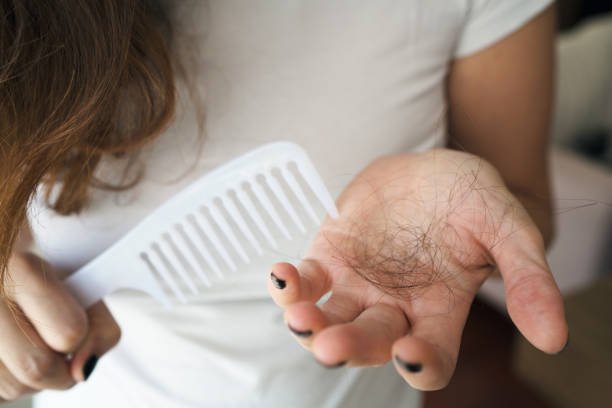
Some women have fine or relatively sparse hair from an early age, even without a clear history of active hair loss. When the scalp remains visible despite different hairstyles, a Female Hair Transplant in Dubai may seem like a way to create fuller coverage. However, naturally low hair density presents specific planning challenges because the donor area may also contain fewer follicles than average.
The distinction between a naturally sparse scalp and progressive hair loss is important. A woman who has always had low density may need a different assessment from someone whose hair has gradually become thinner over several years.
A transplant redistributes existing follicles from one area to another. It does not increase the total number of follicles available, so a suitable plan must account for donor supply, hair characteristics, scalp health, and the size of the area being treated.
What Naturally Low Hair Density Means
Hair density refers to the number of hair follicles or hairs within a given area of the scalp. It varies between individuals and can be influenced by genetics, hair calibre, and other biological factors.
Women with naturally low density may notice:
-
Visible scalp under strong lighting.
-
Limited volume even when hair is clean and styled.
-
A parting that appears broad despite a stable hair pattern.
-
Less coverage when hair is tied back.
-
A donor area that has never appeared particularly dense.
These features do not necessarily indicate a medical problem. However, new or worsening thinning should be assessed rather than attributed automatically to naturally sparse hair.
Female Hair Transplant in Dubai and Donor Limitations
The donor area is central to determining whether transplantation is feasible. Hair is usually taken from a region judged suitable by the clinician, but the amount that can be harvested safely depends on the patient's individual characteristics.
If both the recipient area and donor area have low density, the available supply may be limited. Harvesting too aggressively can leave the donor region visibly thinner or create an uneven appearance.
Evaluating donor density
The clinician examines the back and sides of the scalp, considering follicle distribution, hair thickness, and the stability of the donor region. A donor area should not be considered suitable simply because it is located outside the most visible area of thinning.
Matching the treatment area to available follicles
A small, localised area may be more realistic to address than a broad region requiring extensive coverage. The consultation should clarify what can reasonably be improved and which areas should remain untreated to preserve the overall appearance.
Considering hair characteristics
Hair calibre, curl pattern, colour contrast with the scalp, and the way hair naturally sits can affect the appearance of coverage. Two women with similar follicle counts may perceive different levels of fullness because their hair characteristics differ.
Setting Realistic Coverage Goals
The objective of a transplant is not necessarily to recreate the density of someone with naturally thick hair. It is to make a considered improvement within the limits of the donor supply.
A clinician may discuss which areas have the greatest cosmetic priority, how the hairline should transition into existing hair, and whether concentrating treatment in one region would leave other areas looking disproportionately sparse.
Women should understand that visual fullness and follicle count are not the same thing. Hair length, texture, styling, and contrast between hair and scalp all influence the result.
Could Another Approach Be More Suitable?
Transplantation is only one possible option for managing naturally low density. Depending on the individual's goals, non-surgical approaches may provide a more practical balance between appearance, cost, maintenance, and medical suitability.
Options to discuss may include:
-
Hairstyling methods designed to create the appearance of greater volume.
-
Cosmetic scalp-concealment products where appropriate.
-
Medical evaluation if there is evidence of progressive thinning.
-
Clinician-guided treatment for a diagnosed cause of hair loss.
-
Monitoring over time before making a surgical decision.
These approaches serve different purposes. Cosmetic methods can change the appearance of coverage but do not add follicles, while medical treatments are relevant only when suitable for the underlying condition.
When a Medical Assessment Is Important
Naturally sparse hair can coexist with female pattern hair loss or other conditions. A consultation should establish whether the density has remained stable or changed over time.
The clinician may ask about family history, medications, hormonal changes, nutrition, previous shedding episodes, and scalp symptoms. Further investigation may be recommended when the history or examination suggests an underlying issue.
If hair loss is actively progressing, the treatment plan may need to address the cause or monitor stability before considering surgery. This helps avoid planning a transplant around a pattern that may change significantly later.
What to Discuss During Your Consultation
Arriving with clear priorities can make the consultation more productive. Think about the areas where reduced coverage bothers you most, how you usually wear your hair, and whether your density has changed.
Useful discussion points include:
-
Whether your hair pattern is naturally sparse or shows signs of progressive loss.
-
How much donor hair may be available without creating visible thinning.
-
Which areas could reasonably benefit from transplantation.
-
What level of improvement is realistic for your hair characteristics.
-
Whether non-surgical approaches should be considered first.
A responsible recommendation may be to proceed, investigate further, monitor the pattern, or avoid surgery if the risks outweigh the likely benefit.
Frequently Asked Questions
Can women with naturally thin hair have a hair transplant?
Some may be candidates, but low density can also limit the donor supply. Suitability requires an individual assessment.
Will a transplant make my entire scalp dense?
Not necessarily. Transplantation redistributes existing follicles, and the achievable coverage depends on the donor supply and treatment area.
Does fine hair always mean low donor density?
No. Hair thickness and follicle density are different characteristics. Both should be assessed.
What if my hair has always been sparse?
A stable, naturally sparse pattern can still be evaluated, but surgery should be considered only if the donor supply and goals make it appropriate.
Clinic note: When natural density is limited, careful selection and realistic expectations are especially important. More extensive treatment is not automatically better.
Get an Individual Assessment at Tajmeels Clinic
If you have always had relatively sparse hair, a personalised consultation can help establish whether transplantation is practical or whether other approaches may better suit your goals. Tajmeels Clinic can review your scalp, donor area, and preferred coverage before discussing potential treatment options.
Read about the Female Hair Transplant in Dubai service and arrange a consultation to discuss what may be appropriate for your hair characteristics.
