


Understanding Oxygen Flow Rates and Prescriptions for Home Use
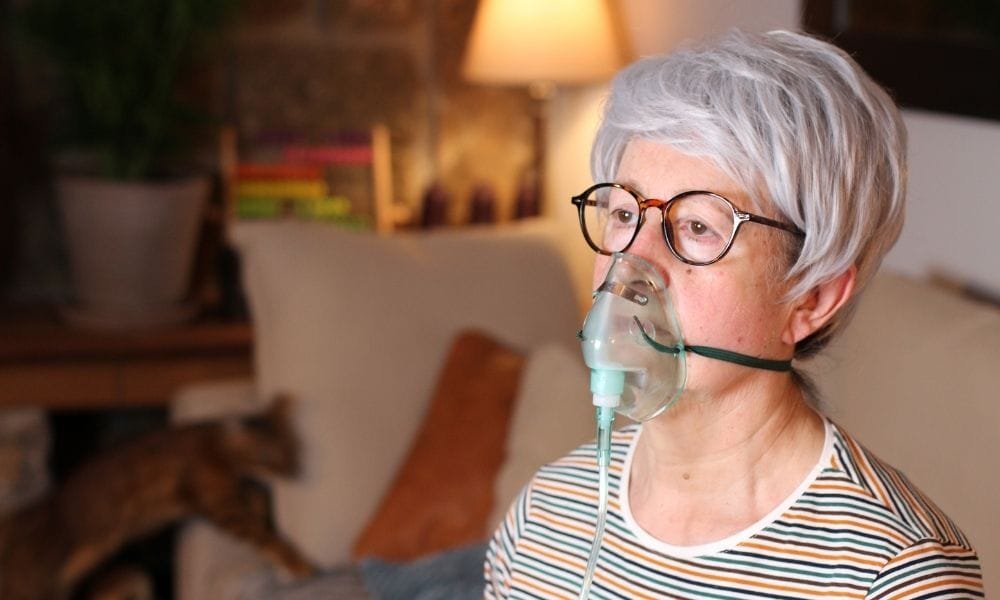
Understanding oxygen flow rates and prescriptions is essential for patients who need supplemental oxygen to manage certain respiratory conditions at home. Oxygen Therapy At Home In Dubai allows eligible patients to receive prescribed respiratory support in familiar surroundings, while services such as Doctor at Home may provide convenient access to clinical assessment and follow-up when appropriate. However, oxygen therapy must be tailored to each patient's medical needs, as the correct flow rate and duration depend on factors such as blood oxygen levels, underlying health conditions, and activity requirements. Knowing how an oxygen prescription works, how to use the equipment safely, and when to seek medical advice can help patients and caregivers manage treatment more confidently. Following professional instructions is especially important because changing oxygen settings without medical guidance can create health risks.
What Is an Oxygen Flow Rate?:
An oxygen flow rate describes how much supplemental oxygen a device delivers to a patient over a period of time. It is commonly measured in litres per minute (L/min) for many standard home oxygen systems. The prescribed rate depends on the patient's oxygen requirements, the equipment being used, and the clinician's assessment. Some patients may need oxygen at a particular rate during rest, while others may have specific instructions for sleep or physical activity. The number displayed on a device should not be interpreted as a general measure of treatment effectiveness because different devices deliver oxygen in different ways. A healthcare professional determines the appropriate prescription using clinical findings, which may include pulse oximetry or blood gas testing. Patients should never select a flow rate based on another person's prescription, online recommendations, or symptoms alone. Even if breathing feels easier, oxygen settings should remain unchanged unless the treating clinician provides new instructions.
Why Is an Oxygen Prescription Necessary?:
An oxygen prescription establishes how supplemental oxygen should be used and helps ensure that treatment meets the patient's individual needs. It may specify the delivery device, flow rate, duration of use, target oxygen saturation range, and circumstances in which oxygen is required. Prescriptions are important because too little oxygen may fail to address low blood oxygen levels, while inappropriate oxygen administration can be harmful for certain patients, including some people at risk of carbon dioxide retention. Oxygen is not automatically recommended for every person who experiences breathlessness; a clinician must assess whether supplemental oxygen is medically indicated. Before starting home treatment, patients should ask their healthcare provider to explain the reason for the prescription, the intended benefits, and the plan for reviewing their oxygen needs. They should also confirm what to do if symptoms change or equipment stops working. Clear instructions reduce uncertainty and help patients avoid unsafe adjustments during daily care.
How Healthcare Professionals Determine the Correct Flow Rate:
Healthcare professionals determine an appropriate oxygen prescription by evaluating the patient's medical condition, symptoms, oxygen measurements, and response to treatment. A pulse oximeter estimates oxygen saturation, while arterial blood gas testing may be used when more detailed information is needed. Depending on the condition, assessments may be performed at rest, during activity, or as part of a broader respiratory evaluation. The clinician also considers whether the patient has conditions that affect breathing or carbon dioxide levels, as these may influence the treatment target. There is no single flow rate suitable for everyone, and a prescription should not be copied from another patient with a similar diagnosis. Patients should understand that oxygen requirements can change after an illness, hospital admission, or improvement or deterioration in their health. Follow-up assessments help determine whether the existing prescription remains appropriate and whether any changes are necessary.
Understanding Continuous, Activity-Based, and Night-Time Oxygen Use:
Oxygen prescriptions can differ in both flow rate and duration, depending on when a patient's oxygen levels fall below the clinically recommended range. Some patients require long-term oxygen for much of the day, while others may be instructed to use it during sleep or particular physical activities. In some cases, oxygen may be prescribed temporarily while the patient recovers from an illness, followed by reassessment. These arrangements should be based on clinical testing and the patient's individual treatment plan. Patients should ask whether oxygen is required during bathing, walking, sleeping, or other routine activities and whether a specific delivery system is appropriate for each situation. Important questions to discuss with the healthcare provider include:
-
Should oxygen be used continuously or only at specified times?
-
Is a different prescription required during sleep or activity?
-
How should oxygen use be managed when leaving the house?
-
When should the prescription be reviewed?
-
What symptoms or readings require medical advice?
Never stop prescribed oxygen because symptoms improve or change the duration of treatment without professional guidance.
Different Oxygen Devices and Their Flow Settings:
Home oxygen systems include oxygen concentrators, compressed oxygen cylinders, and selected portable oxygen devices. Concentrators draw oxygen from the surrounding air and require electricity, while cylinders store compressed oxygen and need careful storage and replacement. Portable systems may provide greater mobility, but their delivery methods and capabilities vary. Some devices use continuous flow, while certain portable units provide pulse-dose delivery, which releases oxygen in response to detected breathing. A pulse-dose setting is not necessarily equivalent to the same number displayed on a continuous-flow device. Patients must therefore confirm that their equipment can meet their prescribed needs, particularly during sleep or activity. The oxygen supplier should demonstrate correct operation, explain alarms, and provide maintenance instructions. Patients should never change device settings to compensate for breathlessness, use an unsuitable accessory, or attempt repairs independently. If the equipment appears unable to deliver the prescribed treatment, contact the supplier or healthcare professional promptly.
Monitoring Oxygen Saturation While Following a Prescription:
Some patients are advised to use a pulse oximeter to monitor their oxygen saturation at home. The device usually clips onto a finger and estimates the percentage of hemoglobin carrying oxygen, displaying a result as SpO₂. Patients should follow their clinician's instructions about when to take readings and which target range is appropriate for them. Measurements are more useful when taken under consistent conditions, with the hand still and warm and the sensor correctly positioned. Movement, poor circulation, nail products, and other factors can affect accuracy, and readings may not always reflect the patient's full clinical condition. Patients may keep a record of readings, symptoms, and the prescribed oxygen setting to discuss at follow-up appointments. If readings repeatedly fall outside the recommended range, they should follow their individualized action plan and contact the healthcare provider. Severe breathlessness, chest pain, fainting, or new confusion requires emergency medical attention, even if the oximeter reading appears normal.
Common Mistakes to Avoid With Home Oxygen Prescriptions:
Misunderstanding an oxygen prescription can lead to ineffective treatment, unnecessary anxiety, or avoidable safety risks. One common mistake is increasing the flow rate whenever breathlessness occurs, even though breathlessness can have causes other than low oxygen levels. Another is assuming that a pulse oximeter reading alone determines the correct setting. Patients may also forget to check their oxygen supply, overlook equipment maintenance, or use a portable device without confirming that it meets their prescription. To reduce these risks:
-
Follow the written prescription exactly.
-
Do not adjust oxygen flow without clinical instructions.
-
Keep the prescription and emergency contacts accessible.
-
Check equipment and supplies according to the supplier's guidance.
-
Attend scheduled reviews and report changes in symptoms.
-
Do not share oxygen equipment or use another person's settings.
Oxygen supports combustion, so keep equipment away from smoking, vaping, open flames, and other ignition sources. Proper training and regular communication with healthcare professionals are essential parts of safe home use.
When Should an Oxygen Prescription Be Reviewed?:
An oxygen prescription may need reassessment when a patient's health changes, after recovery from an acute illness, or when the clinician identifies a difference in oxygen requirements. Patients should ask how often their condition should be reviewed and whether repeat measurements are necessary. Persistent changes in oxygen readings, increased breathlessness, reduced ability to perform normal activities, or new symptoms should be reported promptly. A Doctor at Home service may help arrange a clinical assessment for patients who have difficulty travelling, depending on the provider's services and the patient's condition. However, a routine home visit should not delay emergency assistance for severe symptoms. During follow-up, the healthcare professional can determine whether the existing flow rate remains suitable, whether equipment needs have changed, and whether additional tests or treatments are necessary. Patients should never reduce or discontinue oxygen on their own, even if they feel better or believe their oxygen levels have improved.
Final Thoughts.
Understanding oxygen flow rates and prescriptions helps patients and caregivers use home oxygen therapy more safely and confidently. The correct flow rate, duration, equipment, and target oxygen saturation range must be determined by a qualified healthcare professional and reviewed when necessary. Patients should follow their written prescription, learn how their equipment operates, monitor readings when advised, and report changes in symptoms promptly. Never adjust oxygen settings independently or rely solely on a pulse oximeter to decide whether treatment is working. With clear instructions, suitable equipment, and regular clinical follow-up, prescribed oxygen therapy can become a manageable part of home respiratory care while prioritizing patient safety and comfort.
