


How Lipedema Can Influence Body Proportions and Appearance
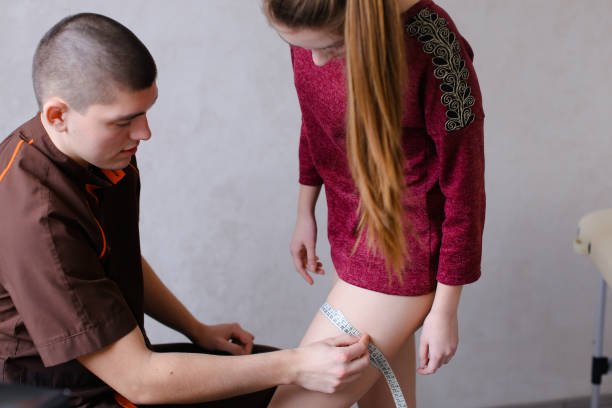
Lipedema can create noticeable differences in how fatty tissue is distributed across the body, often affecting the relationship between the upper and lower body. These changes may influence clothing fit, body contours, mobility, and personal comfort. For individuals researching Lipedema in Riyadh, understanding how the condition can influence body proportions and appearance may help them recognize patterns that deserve professional attention.
Understanding Lipedema and Body Proportions
Lipedema is associated with an abnormal distribution of fatty tissue, most commonly affecting the legs and sometimes the arms. One of its characteristic features is relatively symmetrical enlargement, meaning both sides of the body can develop similar changes.
This distribution can create a visible contrast between the upper and lower body. The legs may appear disproportionately larger compared with the torso, while the feet often remain relatively unaffected. However, the appearance and severity of these changes can differ from person to person.
How Lipedema Can Change Body Contours
Changes Around the Thighs
The thighs are commonly affected by lipedema-related tissue changes. Increased fatty tissue in this area may create a fuller appearance and alter the natural contour between the hips, thighs, and knees.
These changes may become more noticeable over time, particularly when accompanied by tenderness, heaviness, or swelling. The degree of change varies according to individual factors and the progression of symptoms.
Changes Around the Knees and Calves
Lipedema can also influence the appearance of the knees and calves. Accumulation of fatty tissue may make these areas appear fuller or create a less defined transition between different parts of the legs.
Such changes can affect how trousers, skirts, or other clothing fit around the lower body. Appearance alone, however, cannot establish whether someone has lipedema, making professional assessment important.
The Difference Between Lipedema and General Weight Changes
Lipedema should not simply be considered ordinary weight gain. The condition involves a particular pattern of abnormal fatty tissue distribution, often affecting both sides of the body in a relatively symmetrical manner.
This distinction is important because changes associated with lipedema may not respond in the same way as generalized changes in body weight. A person may experience persistent disproportion in specific areas even when other parts of the body change.
Swelling and Its Effect on Appearance
Swelling may contribute to changes in the size and appearance of affected limbs. Legs can feel fuller or heavier, and the contours may appear different at different times of the day.
When swelling and abnormal fatty tissue occur together, the visual changes may become more noticeable. Since swelling has numerous potential causes, persistent or unexplained changes should be professionally evaluated rather than automatically attributed to lipedema.
How Body Changes Can Affect Clothing and Comfort
Changes in body proportions may affect clothing choices and fit. Individuals may find that garments fitting comfortably around the waist feel tighter around the thighs or legs.
Physical comfort can also be affected by pressure from clothing. Tender or sensitive areas may feel uncomfortable when exposed to tight garments or prolonged pressure. Choosing comfortable clothing and discussing persistent symptoms with a healthcare professional may help address these concerns.
Emotional and Social Effects of Appearance Changes
Changes in body shape can influence how individuals perceive themselves and may affect confidence in social or professional situations. Concerns about appearance may become particularly significant when physical changes are misunderstood as being solely related to lifestyle or weight.
Recognizing that lipedema is a distinct condition can help individuals approach their symptoms more constructively. Professional guidance can provide a clearer understanding of the physical changes and appropriate management options.
When Body Proportion Changes Need Attention
Persistent or progressive changes in body proportions, especially when accompanied by tenderness, swelling, heaviness, or easy bruising, may warrant professional evaluation. A healthcare provider can examine the affected areas and consider other possible explanations for the symptoms.
An accurate assessment can help determine whether the observed changes are consistent with lipedema or another condition. This is especially important when physical changes begin affecting mobility, comfort, or everyday activities.
Book an Appointment at Royal Clinic Saudi
If changes in body proportions are accompanied by swelling, tenderness, heaviness, or other persistent concerns, professional assessment can help you better understand the underlying cause. Book an appointment with Royal Clinic Saudi to discuss your symptoms and explore an individualized approach to care.
FAQs:
Can lipedema change body proportions?
Yes. Lipedema can cause disproportionate accumulation of fatty tissue, particularly in the legs, which may create noticeable differences between the upper and lower body.
Does lipedema always affect both sides of the body?
Lipedema commonly produces relatively symmetrical changes, although the severity may vary between different areas and individuals.
Can body appearance alone diagnose lipedema?
No. Appearance is only one consideration. A qualified healthcare professional should evaluate symptoms, physical findings, and medical history.
Can lipedema affect clothing fit?
Yes. Changes in the size and contours of the thighs, calves, or other affected areas may make some clothing feel tighter or fit differently.
