


Camel Milk Benefits: Nutrition, Health Benefits & Uses
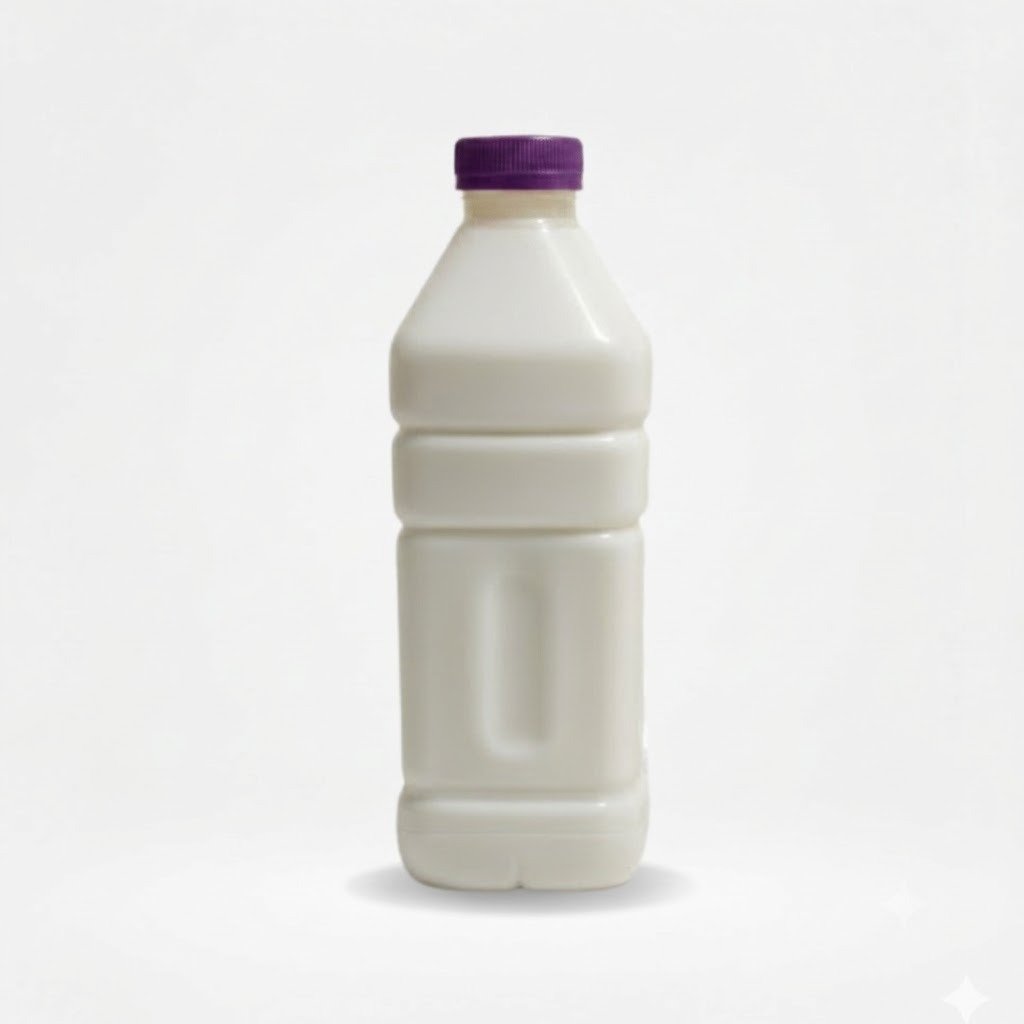
Camel Milk Benefits: Nutrition, Health Benefits & Uses
Camel milk has been consumed for generations in regions of the Middle East, Africa, and South Asia. Today, it is gaining popularity worldwide because of its unique nutritional profile and potential health benefits. With a slightly salty flavor and creamy texture, camel milk can be enjoyed as a drink or used to make a variety of dairy products.
Camel Milk Nutrition
Camel milk provides a range of essential nutrients, including protein, calcium, potassium, magnesium, phosphorus, and vitamins. It is also a natural source of vitamin C, which helps support normal immune function and protects cells from oxidative stress.
The nutritional composition of camel milk can vary depending on factors such as the camel's diet, breed, age, and stage of lactation. Like other dairy products, camel milk provides protein that contributes to normal muscle maintenance and overall nutrition.
Health Benefits of Camel Milk
1. Supports Bone Health
Camel milk contains calcium and phosphorus, two important minerals for maintaining strong bones and teeth. Including nutrient-rich dairy foods in a balanced diet can help contribute to normal bone health.
2. Provides Antioxidant Nutrients
Camel milk contains naturally occurring antioxidant compounds and vitamin C. Antioxidants help protect cells from oxidative damage as part of the body's normal defense system.
3. May Support Blood Sugar Management
Camel milk has attracted scientific interest because researchers have investigated its possible effects on blood glucose regulation. Some studies have examined proteins and other components in camel milk that may have insulin-like activity. However, more research is needed, and camel milk should not replace diabetes medication or professional medical care.
4. Supports Immune Function
The vitamins, minerals, proteins, and other naturally occurring compounds in camel milk can contribute to a healthy diet. Vitamin C, in particular, plays an important role in normal immune system function.
5. May Be an Alternative Dairy Choice
Some people report that camel milk feels easier to digest than certain other types of milk. Individual tolerance varies, so it should not be assumed that everyone will experience the same effect.
Uses of Camel Milk
Camel milk can be consumed fresh or incorporated into different foods and beverages. It can be added to tea, coffee, smoothies, and breakfast cereals. It is also used to produce fermented drinks, yogurt, cheese, ice cream, and other dairy products.
In some cultures, fermented camel milk is a traditional food and an important part of the local diet. Its distinctive flavor makes it an interesting alternative to more commonly consumed dairy products.
Is Camel Milk Safe?
Food safety is an important consideration when consuming camel milk. Raw milk can contain harmful microorganisms, so pasteurized camel milk is generally a safer choice. People who are pregnant, elderly, or have weakened immune systems should be particularly cautious about consuming unpasteurized dairy products.
Individuals with milk allergies should also seek professional medical advice before trying camel milk.
Conclusion
Camel milk is a nutrient-rich dairy food that provides protein, minerals, vitamins, and other naturally occurring compounds. Its potential benefits for nutrition, immune support, bone health, and blood sugar management have made it a subject of growing interest. However, it should be considered part of a balanced diet rather than a cure for any medical condition. Choosing a safe, hygienically produced product can help you enjoy camel milk as part of a healthy lifestyle.
