


Babysitting Service at Home: Hygiene Practices Every Babysitter Should Follow
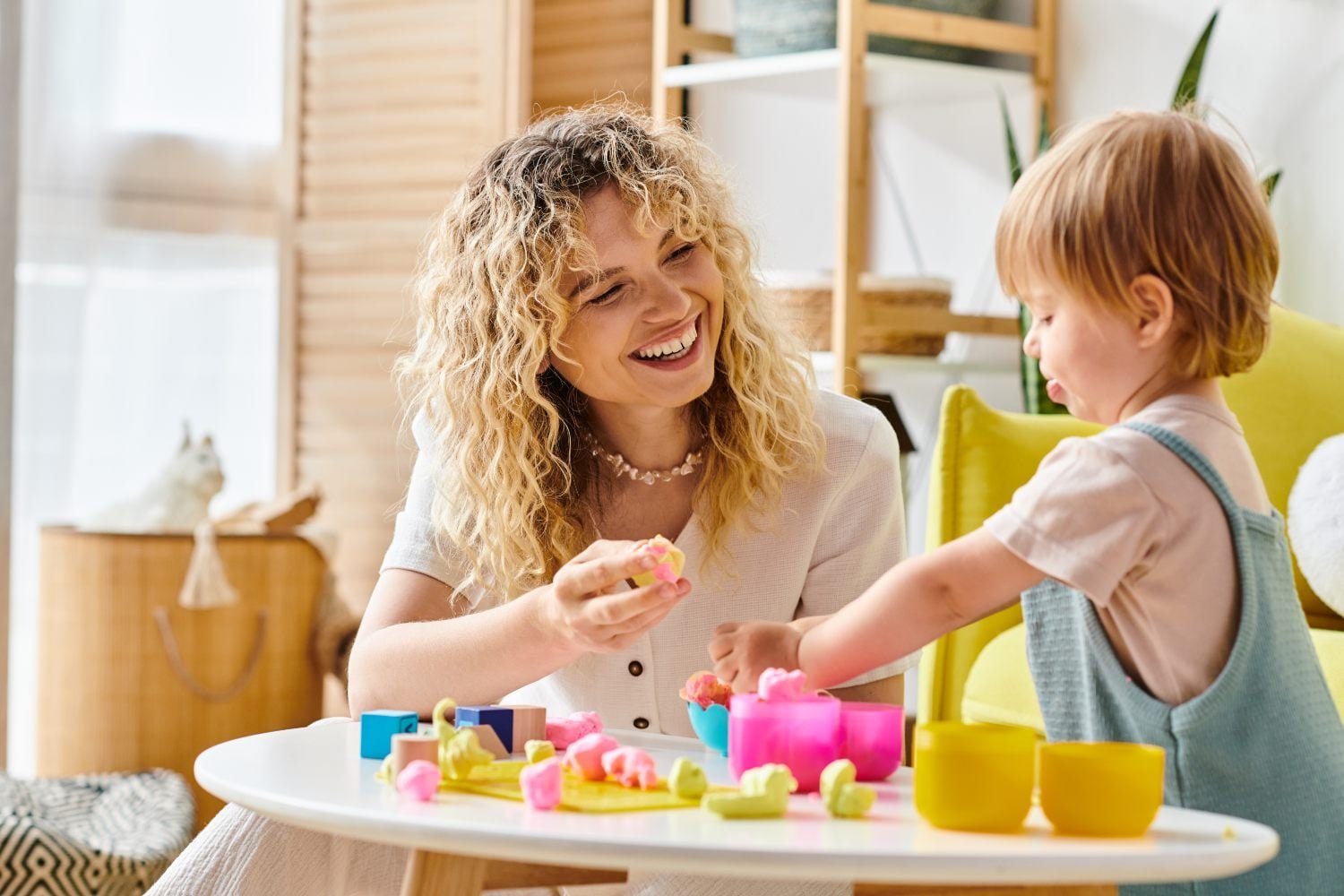
Maintaining good hygiene is an essential part of keeping children comfortable and reducing the spread of everyday germs at home. A professional Babysitting Service at Home In Dubai can help parents manage childcare while ensuring that children follow appropriate hygiene routines throughout the day. Just as families may arrange a Doctor at Home when convenient professional assistance is required, reliable babysitting support can help maintain a clean and organized environment where children can eat, play, rest, and complete their daily activities safely. Babysitters should follow practical hygiene habits involving handwashing, food handling, diaper changes, personal care, toys, surfaces, and general cleanliness.
Washing Hands Regularly and Correctly:
Hand hygiene is one of the simplest and most important practices a babysitter can follow. Hands should be washed with soap and running water before preparing food, before helping a child eat, after using the bathroom, after changing diapers, after cleaning messes, and whenever hands become visibly dirty. Babysitters should also wash their hands after outdoor activities, handling waste, or assisting with personal care. Children should be encouraged to wash their hands at appropriate times as well. Parents can keep soap and clean towels easily accessible in bathrooms and other areas where handwashing is frequently needed. Consistent hand hygiene can become a natural part of the child's everyday routine.
Maintaining Clean Diaper-Changing Practices:
Babysitters caring for infants and toddlers should follow careful hygiene procedures during diaper changes. The changing area should be clean, organized, and stocked with diapers, wipes, disposable bags, and any other supplies the family normally uses. Hands should be washed before and after each diaper change, and used diapers should be disposed of appropriately. The babysitter should clean the child according to the parents' instructions and keep contaminated materials away from clean supplies. After a diaper change, the changing surface should be cleaned when needed. These simple practices can help maintain a hygienic environment for both the child and caregiver.
Keeping Feeding Areas Clean:
Meals and snacks require attention to cleanliness because food can quickly create messes and attract unwanted contaminants if surfaces are not cleaned properly. Babysitters should wash their hands before preparing or serving food and ensure that eating surfaces are reasonably clean. Plates, cups, bottles, utensils, and food containers should be handled according to the family's usual routine. Any spilled food should be cleaned promptly, and leftovers should be stored or discarded according to household instructions. Children should also be encouraged to wash their hands before meals. A clean eating environment can make mealtimes more comfortable and organized.
Following Safe Food-Handling Habits:
Babysitters who prepare meals or snacks should understand the family's food-handling expectations. Raw and ready-to-eat foods should be handled carefully, and ingredients should be stored properly according to household instructions. Perishable foods should not be left out unnecessarily, and expired or questionable food should not be served. Parents should clearly explain any allergies, dietary restrictions, or foods that the child must avoid. Helpful hygiene practices include:
- Washing hands before handling food
- Cleaning food-preparation surfaces
- Keeping utensils reasonably clean
- Storing food appropriately
- Keeping raw and ready-to-eat items separate
- Disposing of spoiled or unsuitable food
Clear instructions help the babysitter maintain the child's normal eating routine while minimizing avoidable hygiene concerns.
Cleaning Toys and Frequently Used Items:
Children frequently touch toys, books, furniture, and other objects throughout the day, making regular cleaning useful, especially when items become visibly dirty. Babysitters can place used toys in a designated area for cleaning and wipe suitable hard surfaces according to the manufacturer's or household instructions. Toys that are shared between children may require additional attention. Soft toys and washable fabrics should be cleaned according to their care instructions. Parents can explain which toys should not be washed or which materials require special handling. Keeping commonly used items clean can contribute to a more comfortable play environment.
Maintaining Clean Personal-Care Supplies:
Children's personal-care items should be kept organized and used only as intended. Toothbrushes, towels, washcloths, combs, hairbrushes, and similar items should not be shared between children unless specifically designed for shared use. Babysitters should know where clean and used items are stored and should avoid placing clean supplies on dirty surfaces. After bathing, toileting, or other personal-care activities, used towels and clothing should be placed in their appropriate locations. Good organization makes hygiene routines easier and reduces confusion during busy parts of the day.
Supporting Bathing and Personal Hygiene:
Depending on the child's age and the agreed childcare responsibilities, a babysitter may assist with bathing, handwashing, toothbrushing, toileting, or changing clothes. Parents should clearly explain the child's normal hygiene routine and the level of assistance expected. The caregiver should encourage age-appropriate independence while remaining available to help when necessary. Bathing areas should be kept reasonably clean and free from unnecessary hazards. Personal-care products should be used according to the parents' instructions, and items that could be harmful if swallowed or misused should remain inaccessible to children.
Keeping the Bathroom Hygienic:
Bathrooms require regular attention because they are frequently used for personal care. Babysitters should encourage children to wash their hands after using the toilet and should clean up obvious spills or messes when they occur. Toilet areas, sinks, and frequently touched surfaces should be kept reasonably clean according to household expectations. Cleaning products must always be stored safely away from children. Towels should be placed where they can dry properly, and personal items should remain organized. Maintaining a clean bathroom helps children develop consistent hygiene habits while supporting a comfortable home environment.
Handling Coughing and Sneezing Appropriately:
Babysitters can help children learn everyday respiratory hygiene habits by modeling and reinforcing simple practices. Children can be encouraged to cover coughs and sneezes with a tissue or their elbow and to wash their hands afterward when appropriate. Used tissues should be disposed of promptly, and frequently touched surfaces can be cleaned when visibly contaminated. The caregiver should also avoid unnecessarily sharing cups, utensils, towels, or personal items. Parents can explain any household preferences for handling minor illnesses and should be informed if the child develops unusual symptoms or appears unwell during the babysitting session.
Keeping Commonly Touched Surfaces Clean:
Children and babysitters frequently touch door handles, light switches, tables, remote controls, toys, and other household surfaces. These areas can be cleaned as needed, especially when visibly dirty or after activities that create significant mess. The babysitter should follow the household's preferred cleaning products and instructions and should never leave potentially harmful cleaning substances where children can reach them. The purpose is not to make the home sterile but to maintain a reasonably clean environment that supports everyday childcare. Regular attention to commonly used surfaces can make routine hygiene easier to manage.
Managing Laundry and Soiled Clothing:
Children can easily spill food, play outdoors, or experience accidents that leave clothing, towels, or bedding dirty. Babysitters should know where soiled items should be placed and whether they are expected to change the child or assist with simple cleanup. Used clothing should be separated according to the family's usual laundry routine rather than being left in play areas or mixed with clean items. Bedding that becomes wet or soiled should also be handled according to parental instructions. Clear organization helps prevent unnecessary mess and keeps clean supplies separate from used ones.
Keeping the Babysitter’s Personal Hygiene Appropriate:
Babysitters should also maintain their own basic hygiene while providing childcare. Clean clothing, regular handwashing, trimmed and clean nails, and appropriate personal-care habits can contribute to a comfortable caregiving environment. If a caregiver is experiencing symptoms of illness, parents should have a clear communication process regarding whether the scheduled visit should proceed. Babysitters should also avoid bringing unnecessary food, personal items, or outdoor contaminants into children's play and eating spaces. Professional hygiene habits set a good example for children and reinforce the importance of cleanliness.
Teaching Children Everyday Hygiene Habits:
A babysitter can turn daily hygiene into a simple learning opportunity. Children can be encouraged to wash their hands, brush their teeth, put used tissues in the bin, keep toys organized, and place dirty clothes in the appropriate location. For younger children, caregivers can make routines more engaging with songs, reminders, or simple games. School-age children can gradually take more responsibility for personal hygiene and tidying their belongings. Parents should explain which habits are expected so the babysitter can reinforce the same routines consistently.
Communicating Hygiene Expectations With Parents:
Every household has different routines, products, and expectations, so babysitters should receive clear instructions before childcare begins. Parents can explain preferred handwashing routines, diaper-changing procedures, food restrictions, cleaning products, laundry arrangements, and personal-care expectations. It is also helpful to identify where hygiene supplies are stored and which household areas require special attention. The babysitter should ask questions when an instruction is unclear rather than making assumptions. Open communication helps ensure that hygiene practices remain consistent across the child's normal routine and babysitting visits.
Final Thoughts:
Good hygiene practices are an important part of safe and comfortable home childcare. A professional Babysitting Service at Home In Dubai can support families by maintaining clean routines around handwashing, food preparation, diaper changes, personal care, toys, bathrooms, and frequently used household items. Parents can make these routines easier by organizing supplies, explaining household expectations, and providing clear instructions before the babysitter begins. Babysitters should also model good hygiene habits and encourage children to participate in age-appropriate cleaning and personal-care routines. Consistent hygiene practices can contribute to a healthier, more organized, and more comfortable environment for children while they receive care at home.
