


Hair Loss Treatment in Riyadh for Excessive Hair Shedding
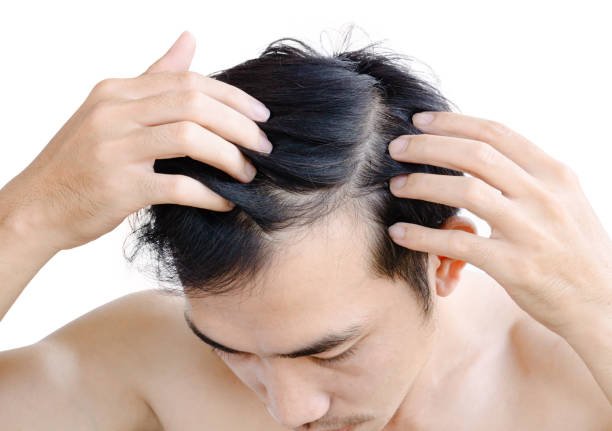
Excessive hair shedding can be concerning, especially when more hair than usual is noticed on a pillow, in the shower, or while brushing. Occasional shedding is a normal part of the hair growth cycle, but persistent or increased shedding may indicate an underlying issue. Understanding the possible causes and available options for hair loss treatment can help individuals take appropriate steps toward healthier-looking hair and a more balanced scalp environment. Early attention can also help determine whether the shedding is temporary or related to progressive hair loss.
Understanding Excessive Hair Shedding
Hair naturally moves through different stages of growth, rest, and shedding. Losing some strands each day is generally expected, but excessive shedding may occur when a larger number of follicles enter the shedding phase at the same time. This can result in noticeable hair on clothing, bedding, brushes, and bathroom surfaces. Unlike some forms of progressive hair loss, excessive shedding may develop relatively quickly and can sometimes be associated with a temporary change in the hair cycle.
Common Causes of Excessive Hair Shedding
Stress and Lifestyle Changes
Physical or emotional stress can affect the normal hair growth cycle. Significant stress, poor sleep, demanding routines, or major lifestyle changes may contribute to increased shedding. In some cases, the shedding becomes noticeable several weeks or months after the triggering event.
Nutritional Factors
The hair follicle requires adequate nutrients to support normal growth. Low intake or deficiency of certain nutrients, including iron, protein, vitamin D, zinc, or other essential nutrients, may be associated with hair shedding in some individuals. A healthcare professional can determine whether nutritional evaluation is appropriate rather than relying on supplements without assessment.
Hormonal Changes
Changes in hormone levels can influence hair growth and shedding. Pregnancy, postpartum changes, thyroid disorders, menopause, and certain hormonal conditions may contribute to noticeable changes in hair density or shedding patterns.
Illness and Medications
Fever, infections, surgery, significant illness, and some medications can temporarily affect the hair cycle. When shedding follows a major health event, identifying the possible trigger is an important part of developing an appropriate treatment approach.
Hereditary Hair Loss
Excessive shedding can sometimes occur alongside genetic hair loss. Hereditary pattern hair loss typically develops gradually and may involve thinning around specific areas such as the hairline, temples, or crown. A professional assessment can help distinguish temporary shedding from an underlying progressive pattern.
When Should You Seek Professional Advice?
If excessive shedding continues for several weeks, becomes progressively noticeable, or is accompanied by thinning areas, a receding hairline, scalp irritation, or changes in hair texture, professional evaluation may be appropriate. Sudden hair loss in distinct patches or hair loss associated with significant scalp symptoms should also be assessed.
A consultation can include an examination of the scalp and hair pattern, discussion of medical and lifestyle history, and, when appropriate, laboratory testing. Identifying the potential cause helps determine whether the main goal should be addressing a temporary trigger, supporting existing follicles, or considering a more specialized treatment.
Treatment Options for Excessive Hair Shedding
PRP Hair Treatment
Platelet-rich plasma, commonly known as PRP, may be considered for individuals experiencing certain forms of hair thinning or shedding. During the procedure, a small blood sample is processed to concentrate platelets, and the resulting plasma is introduced into selected scalp areas. Platelets contain growth factors that may help support the environment surrounding existing hair follicles. PRP does not create new follicles, so suitability depends on the individual's condition and the presence of viable follicles.
Medical Hair Loss Management
Depending on the cause, a specialist may recommend medical management to address factors contributing to hair shedding. This may involve treating an underlying scalp condition, addressing identified nutritional deficiencies, or considering appropriate hair-loss medications when clinically suitable. Treatment should be selected according to the individual's health history and diagnosis.
Hair Transplantation
Hair transplantation may be considered when excessive shedding is associated with established areas of permanent thinning or pattern hair loss. The procedure involves transferring suitable follicles from a donor area to areas with reduced density. The availability and quality of donor hair, the pattern of hair loss, and overall scalp health are important considerations.
How to Support Healthier Hair at Home
Professional treatment can be complemented by healthy daily habits. Eating a balanced diet with adequate protein and essential nutrients can support normal hair growth. Gentle hair care, regular scalp hygiene, and avoiding excessive heat or harsh chemical treatments may also help reduce additional hair damage.
Tight hairstyles that repeatedly pull on the hair should be limited when possible. Managing stress, maintaining consistent sleep, and avoiding unnecessary hair treatments can also support overall scalp and hair health. These measures may not stop every type of hair loss, but they can help create better conditions for maintaining existing hair.
What to Expect From Hair Loss Treatment
The timeline for improvement depends on the underlying cause, treatment approach, and individual response. Hair does not usually recover instantly because follicles follow a natural growth cycle. Some treatments require multiple sessions or ongoing management, while results can vary considerably between individuals.
A professional evaluation is therefore important before selecting a treatment. Rather than focusing only on the amount of hair being shed, specialists can assess the overall pattern, scalp condition, follicle health, and possible contributing factors.
Book Your Appointment at Royal Clinic Saudia
If excessive hair shedding is affecting your confidence or becoming increasingly noticeable, consulting a qualified professional can help you understand the possible cause and available options. Hair Loss Treatment in Riyadh can be tailored according to your hair condition, shedding pattern, and individual treatment needs. Book a consultation with Royal Clinic Saudia to discuss your concerns and explore an appropriate approach.
FAQs:
Is excessive hair shedding always a sign of permanent hair loss?
No. Excessive shedding can be temporary and may occur after stress, illness, hormonal changes, or other triggers.
How can the cause of excessive shedding be identified?
A professional assessment may include scalp examination, medical history, and laboratory tests when appropriate.
Can PRP help with excessive hair shedding?
PRP may support existing follicles in certain cases, but its suitability depends on the cause and condition of the hair follicles.
How long does it take to see improvement?
Hair growth is gradual, and the timeline varies depending on the underlying cause, treatment, and individual response.
