


Aging Water Infrastructure Is Driving a New Era of Pump Modernization in the United States
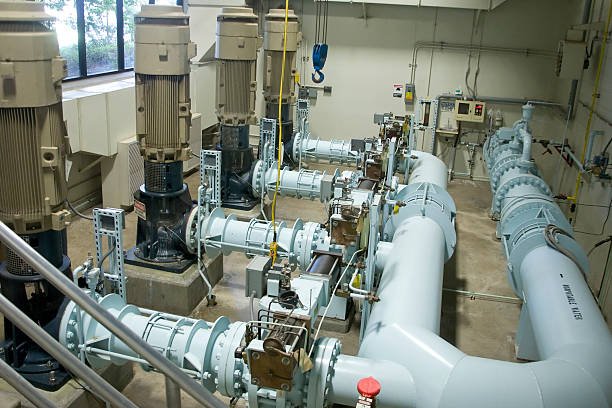
Water and wastewater pumps are fundamental to the infrastructure that keeps American communities functioning. They move drinking water through treatment and distribution systems, transfer sewage to treatment facilities, manage stormwater, handle sludge, and support water-reuse operations. Across the United States, aging infrastructure and substantial investment requirements are increasing the importance of reliable, energy-efficient, and intelligently managed pumping systems.
According to a Vyansa Intelligence report, the U.S. water & wastewater pump market was valued at USD 1.75 billion in 2025 and is projected to reach USD 2.01 billion by 2032, representing a 2% CAGR during 2026–2032.
Aging Infrastructure Creates Significant Modernization Needs
Many U.S. water systems need extensive rehabilitation. Pipelines, treatment facilities, storage assets, pumping stations, and other components must be maintained or replaced as they reach the later stages of their operating lives.
The U.S. Environmental Protection Agency’s latest Drinking Water Infrastructure Needs Survey identifies distribution and transmission infrastructure as the largest area of investment need. Treatment facilities, storage infrastructure, intake structures, and wells also require substantial capital improvements.
For a U.S. water & wastewater pump market analysis, these infrastructure requirements create a broad operating environment for equipment replacement and modernization.
Wastewater Treatment Depends on Reliable Pumping
Pumps perform essential functions throughout centralized wastewater systems. They can transfer incoming sewage, move wastewater between treatment processes, handle sludge, support discharge operations, and maintain flows through collection networks.
Wastewater equipment must also operate under difficult conditions. Solids, fibres, abrasive materials, and variable flows can increase wear or contribute to clogging.
Reliability, solids-handling capability, appropriate materials, and maintenance accessibility therefore remain important equipment considerations.
Federal Financing Supports Wastewater Infrastructure Improvements
The U.S. Environmental Protection Agency’s Clean Water State Revolving Fund provides financing for a wide range of water-quality infrastructure projects. Eligible centralized wastewater projects include primary and secondary treatment, advanced treatment, sewer-system repair and replacement, combined sewer overflow correction, and security improvements.
This financing environment provides useful context for detailed industry insights because infrastructure investment can translate into requirements for pumps, motors, controls, valves, monitoring equipment, and related mechanical systems.
The program also supports decentralized wastewater, stormwater, water reuse, and other water-quality projects.
Drinking Water Systems Require Extensive Capital Upgrades
The challenge extends beyond wastewater. EPA’s drinking-water infrastructure assessment identifies hundreds of billions of dollars in requirements associated with distribution and transmission infrastructure alone.
Treatment systems, reservoirs, intake structures, and wells represent additional areas requiring investment. Pumps are relevant across many of these assets because water must be abstracted, treated, transferred, pressurized, stored, and delivered to consumers.
The latest industry analysis therefore needs to consider both drinking-water and wastewater infrastructure when assessing future pumping requirements.
Pump Efficiency Can Reduce Lifecycle Costs
Pumping systems can operate for thousands of hours annually, meaning electricity consumption can represent a substantial proportion of total lifecycle cost.
Selecting a pump solely according to purchase price can therefore overlook long-term operating expenses. Correct sizing, efficient motors, variable-speed drives, hydraulic optimization, and appropriate system controls can help reduce unnecessary energy consumption.
Variable-speed operation is particularly useful where demand changes significantly throughout the day because pump output can be adjusted more closely to actual flow requirements.
Digital Monitoring Is Changing Maintenance Practices
Connected sensors and control platforms allow utilities to monitor pump performance more continuously. Pressure, flow, vibration, temperature, and electricity consumption can provide useful indicators of equipment condition.
Instead of relying entirely on scheduled inspections or waiting for equipment failure, utilities can use operational data to identify unusual behaviour earlier.
For a water & wastewater pump industry report, this transition is important because pump value increasingly includes monitoring, automation, and integration capabilities alongside hydraulic performance.
Asset Management Supports Better Capital Planning
EPA specifically recognizes asset-management planning as an eligible area for Clean Water State Revolving Fund support. Asset management helps wastewater utilities understand infrastructure condition, required service levels, lifecycle costs, and priorities for repair or replacement.
Pumps can benefit significantly from this approach. Utilities managing numerous pumping stations can evaluate equipment according to condition, criticality, energy consumption, maintenance history, and failure risk.
This allows investment to be directed toward assets where rehabilitation or replacement can provide the greatest operational benefit.
Water Reuse Creates Additional Pumping Applications
Water reuse is another important infrastructure application. Treated wastewater can be reclaimed for appropriate municipal, industrial, agricultural, or environmental purposes, reducing pressure on conventional freshwater supplies.
Reuse systems require water to be transferred between treatment processes, storage facilities, distribution networks, and end users. This can create requirements for dedicated pumps and controls designed around reclaimed-water conditions.
EPA’s Clean Water State Revolving Fund specifically includes water reuse among the water-quality infrastructure activities eligible for financing.
Decentralized Systems Expand the Application Base
Not every U.S. community relies entirely on centralized sewer infrastructure. Decentralized wastewater systems serve smaller communities and individual properties through septic systems, cluster systems, lagoons, and related treatment arrangements.
EPA financing can support repair, replacement, and construction of decentralized wastewater systems as well as associated treatment infrastructure.
For a water & wastewater pump market research report, this highlights the diversity of applications across the United States. Pump requirements can range from large municipal facilities to smaller distributed installations.
Resilience and Reliability Will Define Future Pumping Systems
The U.S. water sector faces a long-term infrastructure challenge involving aging assets, drinking-water investment, wastewater modernization, water reuse, and the need for more efficient asset management.
Pumps will remain central to these systems, but equipment expectations are changing. Utilities increasingly need solutions that combine dependable hydraulic performance with energy efficiency, condition monitoring, intelligent controls, and manageable lifecycle costs.
As infrastructure investment continues, pump modernization can contribute not only to replacing aging equipment but also to building water systems that are more efficient, measurable, and resilient.
