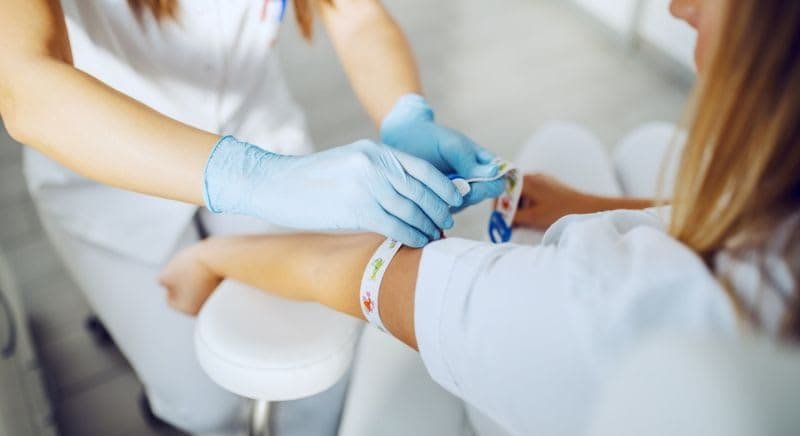
For people choosing Blood Test At Home in Dubai, preparing correctly before the appointment can make the sample collection process smoother and help ensure that the test is performed under the appropriate conditions. A Doctor at Home service may also provide additional convenience when medical guidance is needed alongside laboratory testing. Although many blood tests require little preparation, some investigations have specific requirements concerning food, beverages, medications, exercise, timing, and hydration. Ignoring these instructions can potentially affect certain results or even lead to a sample needing to be repeated. Understanding common preparation mistakes allows patients to approach their home blood test with greater confidence and avoid unnecessary delays.
Mistake 1: Assuming Every Blood Test Requires Fasting:
One of the most common misunderstandings is believing that every blood test requires fasting. Fasting requirements vary according to the specific investigation, and unnecessarily avoiding food for a prolonged period may be uncomfortable or inappropriate for some people. Patients should not decide independently whether to fast simply because they are having blood drawn. Instead, they should confirm the preparation instructions provided by the healthcare professional or laboratory. Before the appointment, clarify:
Whether fasting is required
How long fasting should last
Whether plain water is allowed
Whether coffee, tea, or other drinks are permitted
Whether medications should be taken normally
Following test-specific instructions is more important than following general assumptions about blood testing.
Mistake 2: Eating When Fasting Was Required:
The opposite mistake can occur when patients eat shortly before a test that specifically requires fasting. Food and certain beverages can influence some laboratory measurements, potentially making the results less suitable for the intended assessment. If you have accidentally eaten when fasting was required, inform the healthcare professional rather than hiding the mistake. Depending on the test and circumstances, the professional or laboratory may advise whether collection can proceed or should be rescheduled. Being honest about preparation helps prevent unnecessary confusion when results are reviewed.
Mistake 3: Drinking the Wrong Beverages:
Patients sometimes assume that fasting means they should avoid all fluids. However, instructions differ between tests, and plain water may be permitted or even helpful for some patients. On the other hand, beverages containing calories or other substances may not be appropriate when fasting is required. Patients should follow the specific instructions they receive instead of guessing. If you are uncertain about coffee, tea, juice, soft drinks, or other beverages, ask the laboratory or healthcare professional before the appointment. Clear guidance can help you avoid accidentally affecting a test through inappropriate food or drink consumption.
Mistake 4: Ignoring Medication Instructions:
Another important mistake is changing or stopping medication without professional advice before a blood test. Some medicines can influence laboratory measurements, but this does not mean patients should automatically skip prescribed medication. Whether medication should be taken as usual depends on the specific test, the medicine involved, and the patient's medical circumstances. Always follow instructions provided by your healthcare professional. If no guidance has been given and you are concerned about a medication's effect on testing, ask before making any changes. Never discontinue prescribed treatment solely because you have an upcoming blood test unless instructed to do so.
Mistake 5: Doing Intense Exercise Before Testing:
Strenuous physical activity shortly before certain blood tests may influence some laboratory measurements. Patients preparing for testing should ask whether they need to avoid intense exercise before the appointment. If specific restrictions have been provided, following them can help maintain consistency between tests. This can be particularly relevant for people who regularly participate in demanding workouts or athletic activities. Normal daily movement may not be an issue for many investigations, but patients should follow the preparation requirements for their particular tests rather than assuming that all exercise is harmless before blood collection.
Mistake 6: Becoming Dehydrated:
Dehydration can make blood collection more difficult for some people because veins may be harder to access. Patients should follow the hydration instructions provided for their test. When plain water is permitted, maintaining normal hydration may make the collection experience easier. However, patients should not deliberately consume excessive amounts of water in an attempt to influence their results. The goal is to follow appropriate, ordinary hydration practices unless a healthcare professional has given different instructions. If you have a medical condition requiring fluid restrictions, follow your healthcare professional's specific guidance instead.
Mistake 7: Not Checking the Test Requirements in Advance:
Waiting until the healthcare professional arrives to discover that you were supposed to fast or follow another preparation requirement can create unnecessary delays. Before booking, confirm exactly which investigations are being performed and ask about preparation. Keep any laboratory request or medical instructions available so that the provider can verify the requested tests. A simple pre-appointment checklist can include:
Confirming the exact tests
Checking fasting requirements
Reviewing medication instructions
Asking about exercise restrictions
Confirming appointment time
Preparing relevant documents
Checking whether special collection requirements apply
Preparing in advance makes the appointment more predictable and organized.
Mistake 8: Wearing Inconvenient Clothing:
Patients sometimes overlook clothing when preparing for a blood test at home. Tight sleeves or clothing that makes it difficult to access the upper arm can make the process less convenient. Choose comfortable clothing that allows the healthcare professional to access the appropriate area easily. A loose-fitting shirt or a sleeve that can be comfortably rolled above the elbow is often practical. This small step can save time and help the collection professional work efficiently without requiring patients to change clothes during the appointment.
Mistake 9: Creating an Unsuitable Collection Environment:
Home testing is convenient, but the collection area should still be appropriate for a healthcare procedure. Before the professional arrives, choose a clean, comfortable, and reasonably well-lit area with enough space for the equipment. Patients should ideally be able to sit comfortably and remain still during the collection. Avoid crowded or cluttered areas where equipment could be difficult to organize. Creating a suitable environment helps the professional work safely and allows the patient to remain relaxed throughout the procedure.
Mistake 10: Forgetting to Mention Relevant Health Information:
Before blood collection, patients should provide accurate information that may be relevant to the testing process. This can include current medications, known allergies, previous difficulties with blood draws, or a history of feeling faint during sample collection. Patients should not assume that the healthcare professional already knows their complete medical history. Sharing relevant information allows the professional to take appropriate precautions. If you have previously experienced dizziness or fainting during blood collection, mention it before the procedure begins rather than waiting until symptoms develop.
Mistake 11: Arranging the Wrong Tests:
Another common mistake is booking tests without confirming that they are appropriate for the intended healthcare purpose. Blood testing should ideally be based on symptoms, medical history, risk factors, existing conditions, or professional recommendations. Ordering a large number of unrelated tests simply because they are available may create confusing results and unnecessary costs. If you have received a laboratory request, check that the home testing provider can perform all the investigations listed. If you are unsure which tests you need, discuss your requirements with a qualified healthcare professional rather than relying solely on generic testing packages.
Mistake 12: Focusing Only on the Price:
Choosing a home blood testing service solely because it offers the lowest price can be a mistake. Cost matters, but patients should also consider the qualifications of the collection professional, laboratory arrangements, sample handling, result delivery, and customer support. Before booking, compare what is included in the quoted price. Consider:
Home collection fees
Laboratory charges
Individual test costs
Result reporting
Additional consultation fees
Any possible repeat collection charges
A transparent provider should explain the total cost before the appointment so patients can make an informed decision.
Mistake 13: Forgetting to Ask About Result Timing:
Patients may need their laboratory results for a follow-up appointment or ongoing health monitoring. Failing to ask about turnaround times can lead to unexpected delays. Result timing varies depending on the type of investigation and laboratory processing requirements. Routine tests may be available sooner than specialized investigations. Ask the provider for an estimated timeframe for your specific tests and find out how the report will be delivered. This allows you to plan appropriately and avoid unnecessary follow-up calls.
Mistake 14: Trying to Interpret Results Without Context:
Although this mistake occurs after testing, it begins with expectations formed before the appointment. Patients may assume that a single blood test can provide a complete picture of their health. Laboratory reports contain measurements that need to be interpreted in context. A value outside a reference range does not automatically mean that a disease is present, while a normal result does not rule out every health concern. Factors such as age, medications, symptoms, medical history, and previous results can affect interpretation. Plan to discuss significant or unexpected findings with a qualified healthcare professional.
Mistake 15: Ignoring Special Medical Circumstances:
Certain patients may have specific preparation or collection considerations based on their health circumstances. People with fluid restrictions, complex medication schedules, previous difficult blood draws, or other relevant concerns should communicate these issues before collection. Do not assume that general preparation advice applies equally to everyone. Individual instructions from your healthcare professional should take priority. If you are unsure whether your circumstances require special preparation, ask before the appointment rather than making assumptions.
What to Do If You Make a Preparation Mistake:
Making a preparation mistake does not necessarily mean that the entire appointment must be cancelled. The appropriate response depends on the specific test and the nature of the mistake. Tell the healthcare professional exactly what happened, including what you ate or drank, whether you took medication, or whether you performed strenuous exercise. The professional can determine whether the sample can still be collected or whether further guidance is needed. Being transparent is better than proceeding without informing the collection professional, as accurate preparation information can be important when interpreting laboratory results.
A Simple Pre-Test Checklist:
A few minutes of preparation can help prevent many common problems. Before your home blood test, review the following checklist:
Confirm the requested tests
Read all preparation instructions
Verify whether fasting is required
Clarify permitted beverages
Follow medication instructions
Check exercise recommendations
Maintain appropriate hydration
Wear accessible clothing
Prepare a suitable collection area
Keep relevant medical documents available
Inform the professional about important health considerations
Ask about result turnaround times
This simple routine can make the appointment more efficient and help you feel better prepared.
Final Thoughts:
Preparing correctly for a blood test at home does not have to be complicated. The most important step is to follow the specific instructions provided for your tests rather than relying on assumptions about fasting, hydration, medication, or exercise. Confirming requirements in advance, preparing a suitable collection area, wearing appropriate clothing, and communicating relevant health information can make the process smoother. If you make a preparation mistake, tell the healthcare professional so they can determine the appropriate next step. Home blood testing can be a convenient addition to modern healthcare, and careful preparation helps ensure that the experience is as efficient and comfortable as possible.