


How to Choose the Right Tire Size for Your Vehicle
Choosing the right tire size is essential for safe handling, proper braking, accurate speed readings, and enough clearance around the wheel well. The correct size is usually listed on the driver’s door placard and in the owner’s manual. Using a tire that is too wide, tall, short, or lightly rated can create fitment and performance problems. Canadian drivers should also consider winter use, load needs, wheel size, and manufacturer specifications before changing from the original tire size for daily driving.
Before changing tire size, I recommend starting with the specifications provided by the vehicle manufacturer. A car repair service in Calgary can also confirm wheel fitment, clearance, load requirements, and whether a different approved size is suitable for the vehicle. This is useful when buying winter tires or changing wheel diameter. A tire may physically fit on a wheel but still be the wrong choice for the vehicle if its dimensions or ratings are incorrect.
Learn What the Numbers Mean
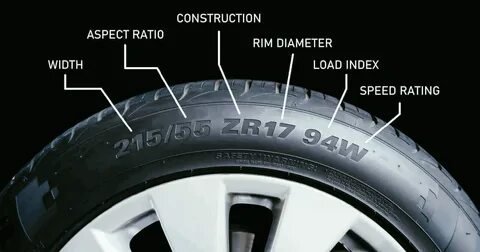
A common tire size may look something like 225/55R17. The first number represents the tire width in millimetres. The second is the aspect ratio, which describes the sidewall height as a percentage of the tire width. The number after the letter R tells you the wheel diameter in inches.
These measurements work together. Changing one number can alter overall tire height, sidewall depth, or clearance. That can affect how the car handles and how closely the speedometer reading matches actual road speed. This is why choosing a replacement based only on wheel diameter is not enough.
Check the Driver’s Door Placard
The tire information placard is usually found inside the driver’s door opening. It normally lists the recommended tire size and cold inflation pressure for the vehicle. This is the first place I tell drivers to look when they are unsure what belongs on their car.
The owner’s manual may provide additional information, including approved alternatives on some models. Different trim levels can sometimes use different wheel and tire packages, so copying the size from another version of the same car is not always a good idea. Use information connected to your specific vehicle.
Load Rating Is Important
A tire must be able to safely support the weight placed on it. The load index found on the sidewall helps identify how much weight the tire can carry under specified conditions. Installing a tire with an unsuitable load rating can create a safety and durability concern.
During tire discussions at Heritage AutoPro and Tire, I would consider the vehicle’s original load requirements along with size. This becomes especially important for SUVs, pickups, vans, and vehicles used to carry passengers or cargo regularly. Correct width and diameter do not make a tire suitable if the load rating is wrong.
Information to Check Before Buying Tires
Before ordering a set, compare these details:
-
Tire size: Match an approved size for your vehicle and wheel combination.
-
Load index: Make sure the tire meets the vehicle’s load requirements.
-
Speed rating: Follow the manufacturer’s specification or suitable approved replacement.
-
Wheel diameter: The tire must match the diameter of the wheel it is being mounted on.
-
Seasonal purpose: Choose a tire suited to the weather and driving conditions you expect.
Checking these items before purchase can prevent fitment problems, returns, and poor road performance later.
Understand Speed Ratings
The speed rating is represented by a letter in the tire service description. It relates to the tire’s tested ability to operate under certain conditions. It should not be treated as a suggestion to drive at those speeds.
The important point is to select a tire that meets the requirements of the vehicle. Changing to an unsuitable rating can affect handling characteristics and may conflict with manufacturer recommendations. When uncertain, use the original specification as your starting point.
Winter Tire Sizing Needs Thought
Some Canadian drivers use a smaller wheel with a taller tire sidewall for winter, where an approved alternative size exists. This approach can sometimes reduce winter wheel cost and provide more sidewall between the wheel and rough pavement. However, the overall tire dimensions and load requirements still need to remain appropriate for the vehicle.
Brake clearance is another concern. A smaller wheel cannot be used if it does not clear the brake components. Newer vehicles may have large brake packages, especially on higher trim levels. Never assume that a smaller winter wheel will fit simply because another version of the same vehicle uses one.
Wider Is Not Always Better
A wider tire may look sportier, but appearance should not be the only reason for changing size. Wider tires can affect steering feel, road noise, rolling resistance, clearance, and performance in deep snow or standing water. They may also rub against suspension or body components if the fitment is too aggressive.
I prefer keeping changes within sizes known to work correctly with the vehicle. If you want a different look, confirm overall diameter, wheel width, offset, load rating, and physical clearance first. Proper fitment is more important than filling the wheel arch as much as possible.
Overall Diameter Affects More Than Appearance
Changing the overall tire diameter changes how far the vehicle travels with each wheel rotation. A large difference can affect the speedometer and odometer readings. It can also influence transmission behaviour and electronic systems that use wheel-speed information.
All-wheel-drive vehicles deserve extra care because large differences between tire sizes or tread depths can create problems for some driveline systems. Follow the manufacturer’s recommendations regarding matching tires and allowable tread differences. Do not mix sizes casually because the tires appear close enough.
Replacement Tires Should Match Their Purpose
Two tires with the same size printed on the sidewall can perform very differently. Tread design, rubber compound, load capability, winter rating, ride comfort, noise, and expected tread life can vary widely. Size is only the first step in selecting the right tire.
Think about where you actually drive. A Calgary commuter dealing with cold mornings, snow, slush, dry winter highways, and summer heat needs a tire strategy that fits those conditions. Someone driving long highway distances may value different characteristics from a person making short city trips.
Start With the Vehicle, Not the Tire Advertisement
The safest way to choose tire size is to work outward from the vehicle’s approved specifications. Check the placard, owner’s manual, wheel size, load index, speed rating, and clearance before considering a change. If you are buying a separate winter wheel package, confirm brake clearance as well.
A tire that looks good or has an attractive price is not a bargain if it is the wrong size. Correct fitment helps steering, braking, ride quality, and electronic systems work as intended. Taking a few minutes to confirm the specifications before purchase can save far more time and money later.
