


How Passenger Vehicle Demand Is Transforming Southeast Asia’s Automotive Belt & Hose Ecosystem
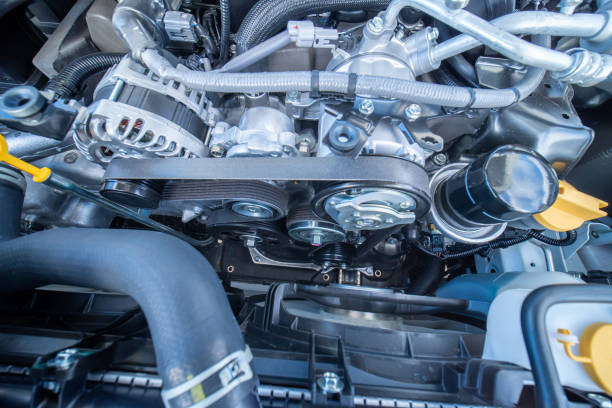
The automotive sector across Southeast Asia is evolving rapidly as rising vehicle ownership, expanding manufacturing facilities, and stronger aftermarket services reshape the regional mobility landscape. While electric vehicles and advanced electronics often dominate industry discussions, essential components such as automotive belts and hoses remain critical to vehicle reliability, safety, and performance. These components ensure smooth engine operation, efficient cooling, braking, fuel delivery, and power transmission, making them indispensable across both conventional and hybrid vehicles.
As automakers continue expanding production capacities across Indonesia, Thailand, Vietnam, Malaysia, and neighboring countries, demand for durable automotive components continues to increase. The latest Southeast Asia automotive belt & hose analysis by MarkNtel Advisors highlights that the industry is projected to grow from USD 2.5 Billion in 2025 to USD 4.0 Billion by 2032, registering a CAGR of around 6.9% during 2026–2032.
Why Belts and Hoses Matter More Than Ever
Automotive belts and hoses may appear to be small components, but they perform essential functions throughout a vehicle. Timing belts synchronize engine operations, serpentine belts power multiple accessories, while specialized hoses transport coolant, brake fluid, fuel, and air throughout the vehicle.
Modern vehicles are becoming increasingly sophisticated, requiring components capable of operating under higher temperatures, greater pressure, and longer service intervals. Manufacturers are therefore investing in advanced rubber compounds, silicone materials, and composite technologies that improve durability while reducing maintenance costs.
Passenger Car Sales Continue to Drive Component Demand
The strongest contributor to regional demand is the continuous growth in passenger vehicle ownership. Rising disposable incomes, urbanization, improved financing options, and expanding middle-class populations have encouraged consumers across Southeast Asia to purchase personal vehicles.
Passenger cars require multiple belts and hoses throughout their lifecycle, creating demand not only during vehicle manufacturing but also in the replacement market. According to MarkNtel Advisors, passenger cars account for approximately 65% of the regional demand, making them the leading vehicle category for automotive belt and hose manufacturers.
Countries such as Indonesia, Vietnam, and Thailand continue strengthening their automotive ecosystems through local production, exports, and investments in manufacturing infrastructure.
The Shift Toward Lightweight Automotive Components
Vehicle manufacturers are increasingly adopting lightweight materials to improve fuel efficiency, reduce emissions, and comply with stricter environmental regulations. This trend is influencing nearly every automotive component—including belts and hoses.
Modern lightweight materials offer several advantages:
- Improved fuel economy
- Reduced vehicle weight
- Greater durability under extreme operating conditions
- Lower maintenance requirements
- Enhanced compatibility with hybrid and electric vehicle platforms
Advanced polymers, reinforced rubber, silicone, and composite materials are gradually replacing heavier traditional alternatives, enabling manufacturers to deliver better performance while supporting sustainability goals.
Growing Aftermarket Creates Long-Term Opportunities
One of the most attractive opportunities lies within Southeast Asia's expanding automotive aftermarket. Millions of vehicles already operating across the region require regular servicing and periodic replacement of wear-and-tear components.
Belts and hoses naturally deteriorate over time because of heat exposure, friction, vibration, and environmental conditions. As vehicle fleets continue aging, replacement demand becomes increasingly predictable.
The aftermarket benefits from several long-term trends:
- Increasing vehicle ownership across ASEAN countries
- Growing average vehicle age
- Expansion of organized service centers
- Improved consumer awareness regarding preventive maintenance
- Government focus on road safety inspections
These factors provide manufacturers with recurring revenue opportunities beyond original equipment manufacturing (OEM) sales.
Indonesia Leads Regional Manufacturing
Indonesia has emerged as the largest contributor within Southeast Asia's automotive belt and hose landscape. Strong domestic vehicle production, expanding exports, supportive industrial policies, and continuous investment from international automakers have positioned the country as a major manufacturing hub.
The country's extensive automotive ecosystem supports both OEM suppliers and aftermarket businesses, creating sustained demand for high-quality automotive components. According to the report, Indonesia represents nearly 30% of the regional industry, making it the dominant country within Southeast Asia.
Raw Material Volatility Remains a Challenge
Despite positive growth prospects, manufacturers continue facing uncertainty due to fluctuating raw material prices. Natural rubber, synthetic rubber, and petrochemical derivatives remain key inputs for automotive belts and hoses.
Supply disruptions, weather conditions, global commodity fluctuations, and geopolitical developments can significantly influence manufacturing costs. Companies must therefore focus on supply chain resilience, procurement diversification, and material innovation to maintain profitability.
Innovation Will Shape the Future
The future of automotive belts and hoses extends beyond conventional engine applications. As electrification increases, manufacturers are developing specialized products capable of supporting thermal management systems, battery cooling, advanced braking technologies, and next-generation vehicle architectures.
Research and development efforts are increasingly focused on creating lighter, more heat-resistant, chemically stable, and longer-lasting materials that meet evolving automotive performance standards.
Conclusion
Southeast Asia's automotive industry continues demonstrating remarkable resilience through expanding vehicle production, rising passenger car ownership, and a growing replacement parts ecosystem. While advanced mobility technologies receive significant attention, essential components such as belts and hoses remain fundamental to vehicle safety and operational efficiency.
Manufacturers that invest in lightweight materials, stronger supply chains, and product innovation will be better positioned to capitalize on future opportunities. As regional automotive production continues expanding, demand for reliable automotive belt and hose solutions is expected to remain strong throughout the forecast period, supporting sustainable growth across both OEM and aftermarket segments.
