


Why Ventilated Seats Are Redefining Vehicle Comfort
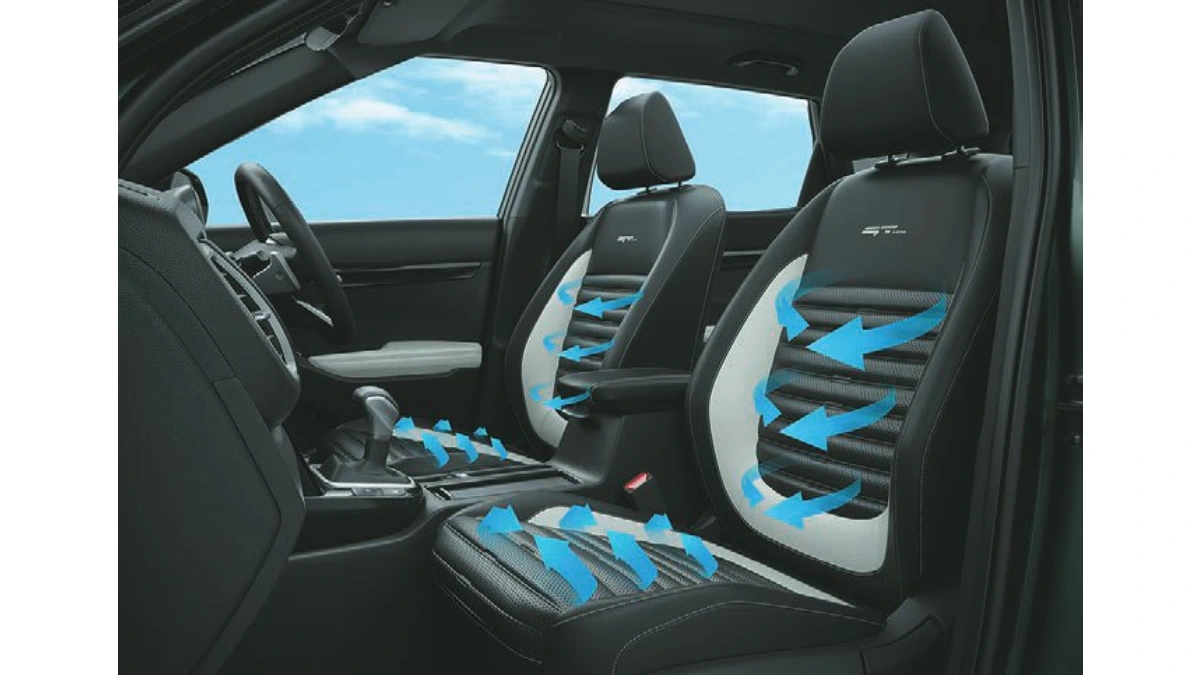
Vehicle comfort is increasingly shaped by features that respond directly to everyday driving conditions rather than simply adding visual appeal. Ventilated seating has become one such feature, helping manage heat and moisture around occupants during warm-weather travel and extended journeys. As cabin expectations evolve, seat climate systems are moving beyond luxury positioning and becoming a more relevant consideration in modern passenger vehicle design.
Automakers are also reconsidering how individual comfort technologies fit within broader cabin personalization strategies. Developments in climate-controlled automotive seating illustrate a wider shift toward interiors that combine airflow, sensors, connected controls, and localized thermal management. These systems allow vehicle manufacturers to address occupant comfort closer to the body rather than depending entirely on whole-cabin cooling.
The technical concept is relatively straightforward. Small fans or air-moving components integrated into the seat structure circulate air through perforated upholstery and internal channels. Active systems can provide more controlled airflow, while passive designs support ventilation through simpler air circulation methods. The effectiveness of each approach depends on seat construction, fan configuration, upholstery material, noise control, power requirements, and integration with the vehicle's electrical architecture.
Cabin Comfort Is Becoming a Functional Priority
Long commutes, rising temperatures, and greater time spent inside vehicles have made thermal comfort a practical purchasing consideration. Research published by MarkNtel Advisors estimates that the Automotive Ventilated Seats Market could increase from USD 10.50 billion in 2026 to USD 14.60 billion by 2032, recording a 5.65% CAGR during the period. The analysis connects this development with demand for enhanced cabin comfort, premium vehicle penetration, and intelligent cockpit technologies.
Traditional air-conditioning systems regulate the overall cabin environment, but they may not immediately address heat accumulated between an occupant and the seat surface. Ventilated seats provide localized airflow in areas where body contact can restrict natural heat dissipation. This makes the feature particularly relevant in hot climates, where parked vehicles can develop uncomfortable interior conditions and seat surfaces may retain heat for prolonged periods.
Consumer expectations are also changing as features first introduced in premium vehicles appear in SUVs, sedans, and compact models. Digital displays, connected infotainment, driver assistance, and personalized cabin controls have already influenced how buyers evaluate vehicle specifications. Ventilated seating fits into this pattern because the feature provides a directly noticeable comfort benefit without requiring the driver to learn a complex interface.
Localized Thermal Management Matters for Electric Cars
Electric vehicle development is encouraging engineers to examine energy use across multiple cabin systems. Heating and cooling can influence the overall energy demand of a battery-electric vehicle, particularly under extreme ambient temperatures. The U.S. Department of Energy has noted that improvements in vehicle HVAC system design and efficiency can help reduce HVAC load and its impact on electric vehicle performance in challenging temperature conditions.
Localized comfort technologies may therefore become increasingly relevant to broader thermal management strategies. A ventilated seat does not replace cabin air conditioning, but targeted airflow can complement centralized climate control by improving comfort at the occupant contact point. This creates opportunities for coordinated systems in which seats, HVAC controls, cabin sensors, and user preferences operate together rather than as isolated components.
Such integration is particularly important as electric vehicles adopt software-defined cabin functions. Vehicle settings can already store driver profiles for seat position, mirrors, lighting, and infotainment preferences. Adding personalized thermal settings to these profiles can enable the seat ventilation level to respond to user selections, cabin temperature, or predefined comfort modes. The result is a more adaptive interior experience based on individual needs.
Smart Cockpits Are Changing Seat Technology
Modern seating is gradually evolving from a passive interior component into an electronically managed vehicle system. Sensors, embedded controls, and software can support more responsive comfort functions. In advanced configurations, seat ventilation may operate alongside occupant detection, posture monitoring, and cabin climate information, allowing airflow to be adjusted according to changing interior conditions rather than relying solely on manual fan settings.
Artificial intelligence could further influence personalized cabin comfort by interpreting multiple data inputs. A vehicle may evaluate seat occupancy, temperature conditions, stored user preferences, and journey patterns before adjusting comfort settings. However, wider implementation will depend on reliable sensor performance, transparent data handling, affordable electronics, and controls that remain simple enough for drivers and passengers to understand.
Seat manufacturers must also address acoustic performance. Fans located close to occupants need to deliver sufficient airflow without introducing distracting noise or vibration. Engineers therefore consider fan type, rotational speed, airflow channels, foam structure, and mounting positions during development. Radial and axial fan configurations offer different characteristics, making component selection an important part of balancing ventilation performance with packaging limitations.
Materials and Seat Design Influence Airflow Performance
Upholstery selection has a direct relationship with ventilated seat effectiveness. Perforated synthetic leather, genuine leather, and suitable fabrics must allow air movement while meeting durability, appearance, and cleaning requirements. The internal foam structure is equally important because poorly designed channels can restrict airflow, create uneven cooling zones, or reduce the perceived benefit of the ventilation system.
Manufacturers also need to consider long-term exposure to dust, moisture, repeated loading, and changing temperatures. Seat systems are used thousands of times throughout a vehicle's service life, making component durability essential. Fans, wiring, connectors, and control modules must operate within a structure that is constantly exposed to occupant movement. Reliable design therefore requires coordination between seating specialists, electronics suppliers, thermal engineers, and vehicle manufacturers.
Cost Optimization Could Expand Adoption
One of the key challenges is making ventilated seating practical for high-volume vehicle categories. Premium models can absorb the cost of advanced seat electronics more easily, while mass-market vehicles face tighter component and manufacturing budgets. Modular fan units, simplified control architectures, standardized components, and scalable seat platforms could help manufacturers introduce ventilation across multiple vehicle variants without redesigning the complete seating system.
The aftermarket also presents a different technical environment. Retrofitted solutions must account for existing seat construction, electrical compatibility, safety systems, and installation quality. Original equipment manufacturers have greater control over seat architecture and vehicle electronics, allowing ventilation to be integrated during the initial design process. This helps explain why factory-installed systems remain central to the broader development of climate-controlled seating technologies.
Ventilated Seating Is Becoming Part of Smarter Cabins
The future relevance of ventilated seats is likely to depend less on the feature operating independently and more on its connection with intelligent cabin systems. As vehicles become increasingly software-managed, seating, HVAC, sensors, and personalized profiles can work together to create more responsive thermal environments. This approach reflects a broader transition from static interior features toward adaptive comfort technologies.
Ventilated seats demonstrate how a relatively focused vehicle function can respond to changing consumer expectations, climate conditions, and cabin technology strategies. Continued improvements in airflow design, quieter fans, durable materials, electronic controls, and cost-efficient integration may support broader adoption. For automakers and suppliers, the central engineering challenge is to deliver noticeable occupant comfort while maintaining reliability, energy awareness, and practical vehicle packaging.
