


Glycolic Acid Peel and Sun Exposure: What You Should Know
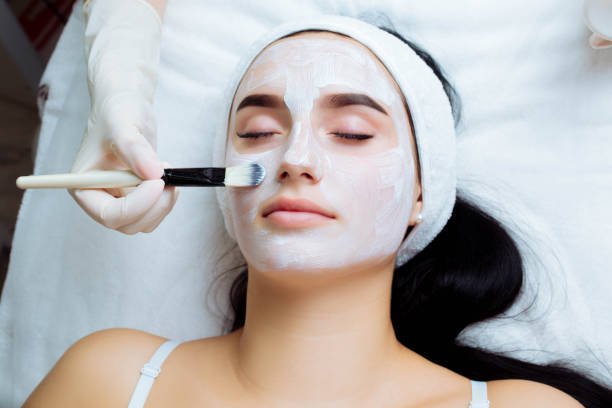
Sun protection is an important part of skincare, especially after treatments that exfoliate the skin. A glycolic acid peel uses glycolic acid, an alpha hydroxy acid (AHA), to loosen and remove dead surface cells, helping improve dullness, uneven texture, and superficial pigmentation. glycolic acid peel may be an option for people seeking a smoother and brighter-looking complexion, but understanding the relationship between exfoliation and sun exposure is essential for protecting the skin during recovery.
Why Is the Skin More Sensitive After a Glycolic Acid Peel?
A glycolic acid peel removes some of the outermost layers of dead skin cells through controlled exfoliation. Following treatment, the skin may temporarily feel more sensitive, dry, tight, or reactive. This temporary sensitivity means that exposure to strong sunlight should be managed carefully.
The Role of the Skin Barrier
The outer layer of the skin helps protect against environmental factors. After exfoliation, the skin needs time to restore and strengthen its natural barrier. Excessive sun exposure during this period may increase discomfort and contribute to unwanted changes in skin appearance.
Temporary Sensitivity
Not everyone experiences the same degree of sensitivity after a peel. Treatment strength, skin type, and individual response can all influence recovery. Following professional aftercare instructions is therefore important.
How Can Sun Exposure Affect Skin After a Peel?
Excessive UV exposure after exfoliation can increase the likelihood of irritation and unwanted pigmentation. Sun exposure can also contribute to premature skin aging and may work against efforts to improve an uneven complexion.
Increased Risk of Discoloration
Recently exfoliated skin may be more vulnerable to pigmentation changes when exposed to strong sunlight. Consistent sun protection can help reduce this risk and support a more even-looking complexion.
Increased Skin Irritation
Sun exposure may make recently treated skin feel warmer, drier, or more uncomfortable. Avoiding prolonged direct sunlight during the recovery period can help minimize unnecessary irritation.
How Should You Protect Your Skin From the Sun?
Effective sun protection involves more than simply applying sunscreen once. A combination of sunscreen, shade, protective clothing, and sensible outdoor habits can provide better overall protection while the skin recovers.
Use Broad-Spectrum Sunscreen
Apply a broad-spectrum sunscreen according to your practitioner's recommendations. Sunscreen helps protect against both UVA and UVB radiation and should be incorporated into your daily skincare routine.
Reapply When Needed
Sunscreen can wear off through sweating, swimming, or normal daily activity. If you are spending extended time outdoors, follow the product's instructions for reapplication to maintain protection.
Seek Shade
Whenever possible, avoid prolonged direct sunlight, particularly during periods when the sun is strongest. Staying in shaded areas can reduce the amount of direct UV exposure your skin receives.
Wear Protective Clothing
Wide-brimmed hats, sunglasses, and clothing that covers exposed skin can provide additional protection. These measures are especially useful when spending significant time outdoors.
How Long Should You Avoid Excessive Sun Exposure?
The appropriate period depends on the strength of the peel and your individual recovery. Mild treatments may require less downtime, while stronger professional peels may require more careful protection. Your practitioner should provide specific guidance based on your treatment.
Follow Your Practitioner's Timeline
Rather than following a generic recovery schedule, use the recommendations provided by the professional who performed your treatment. They can assess your skin and advise when normal outdoor activities can be resumed safely.
Can You Have a Glycolic Acid Peel During Sunny Seasons?
A glycolic acid peel may be performed during periods of high sun exposure, but additional care may be necessary. If you spend considerable time outdoors, discuss your lifestyle and sun exposure habits during your consultation. Glycolic Acid Peel in Riyadh should be planned with your daily environment and ability to follow aftercare recommendations in mind.
Plan Around Outdoor Activities
If you have travel, outdoor events, beach visits, or extended activities in direct sunlight planned, tell your practitioner before treatment. They may recommend adjusting the timing of the peel to make recovery easier.
What Skincare Should You Use After a Peel?
After a glycolic acid peel, a gentle skincare routine is generally preferred. Use products recommended by your practitioner and avoid unnecessary irritation while the skin recovers.
Keep the Skin Moisturized
A suitable moisturizer can help reduce dryness and tightness and support the skin barrier. Hydrated skin may also feel more comfortable during recovery.
Avoid Additional Exfoliation
Do not immediately add scrubs, exfoliating brushes, or other strong chemical exfoliants to your routine. Combining multiple exfoliating treatments too soon can increase irritation.
What Should You Avoid After a Glycolic Acid Peel?
Along with excessive sun exposure, certain activities and skincare habits may increase irritation. Avoid picking or peeling the skin manually, aggressive scrubbing, and using strong active ingredients unless your practitioner has advised that they are appropriate.
Do Not Pick Flaking Skin
Mild peeling can occur after treatment. Allow the skin to shed naturally rather than pulling or scratching at flakes, as this may increase irritation and discoloration.
How Does Sun Protection Support Long-Term Results?
Sun protection is important not only during recovery but also for maintaining healthy-looking skin over time. UV exposure contributes to uneven pigmentation, dullness, and visible signs of aging. Consistent protection can help support the appearance of smoother and more even-looking skin.
Protect Your Skin Every Day
Even after the initial recovery period has passed, daily sun protection remains an important part of a skincare routine. Combining sunscreen with shade and protective clothing can help reduce cumulative UV exposure.
When Should You Contact a Professional?
Mild redness, dryness, tightness, or peeling can be part of normal recovery. However, severe or worsening discomfort, significant swelling, blistering, or unusual skin reactions should be discussed with your treating professional. Prompt guidance can help determine whether additional care is needed.
Book an Appointment at Royal Clinic Saudia
If you are considering a professional peel and want to understand how to protect your skin from sun exposure, Glycolic Acid Peel in Riyadh can be considered at Royal Clinic Saudia. A professional consultation can help assess your skin, discuss your lifestyle and sun exposure, and provide personalized treatment and aftercare guidance.
FAQs:
Can I go in the sun after a glycolic acid peel?
Limit direct sun exposure during recovery and use broad-spectrum sunscreen as recommended.
Why is sunscreen important after a glycolic acid peel?
It helps protect sensitive skin from UV exposure and reduces the risk of unwanted pigmentation.
Can I have a glycolic acid peel during summer?
It may be possible, but careful sun protection and professional guidance are especially important.
Should I wear a hat after a glycolic acid peel?
Yes, a wide-brimmed hat can provide additional protection when you need to be outdoors.
