


U4GM Complete POE 2 Currency Guide
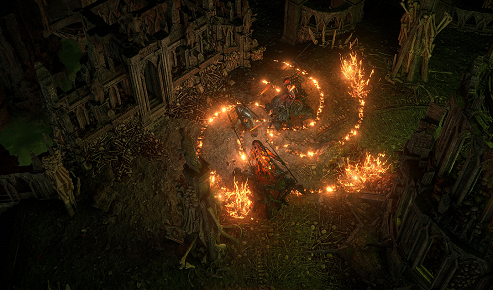
Most players hit a point in Path of Exile 2 where ordinary maps stop feeling worth the time. You clear quickly enough, but the stash tab tells a different story. That is where a combined Abyss, Delirium, and Ritual setup can change the pace of your league. It is not built around chasing one absurd drop. The money comes from repeated, stacked rewards: more rares, more loot checks, more chances at Omens, splinters, tablets, and raw POE 2 Currency. The maps can get rough, especially when Delirium pressure meets Abyss packs, so this is not a lazy strategy. Still, if your character can clear dense screens without constantly stopping or dying, it gives you a dependable way to grow your bankroll over a long session.
Start With a Route You Can Actually Maintain
City areas are usually the sensible place to build this farm. The layout matters more than people sometimes admit. A good City cluster gives you nearby maps, enough room for tablet planning, and fewer awkward detours between runs. You do not need to hunt for a perfect setup for hours, though. That can become its own time sink. Look for a section of the Atlas where you can run several connected maps with useful modifiers and keep moving. The real advantage is repetition. When your route is stable, you can prepare Waystones in batches, know where your next map is coming from, and avoid the stop-start rhythm that eats into profits. It also makes it easier to judge results honestly. One lucky map proves nothing; twenty maps on the same route tell you whether the plan is paying.
Let Delirium Raise the Ceiling
Delirium is what turns a busy map into a packed one. A strong Mirror setup, often around the 200% Delirium mark for players with the budget and build to handle it, adds far more than splinters. It pushes monster density up, creates more rare enemies, and gives every cleared pack another chance to matter. That last part is huge when Abyss is already filling the map with monsters. The catch is speed. If Delirium makes you slow down too much, the extra investment can feel bad. Your build needs enough movement, recovery, and area damage to stay on the front foot. It does not have to delete every rare in half a second, but it cannot spend ages wrestling one tanky pack either. Players often overvalue raw damage here. Reliable clearing and not losing portals usually make more currency per hour than a glass cannon with impressive tooltip numbers.
Use Ritual as a Low-Cost Side Income
Ritual fits nicely because it asks for very little extra setup when encounters are already appearing through Atlas progression. Do every Ritual in the map before you leave. Skipping one because the first reward window looks dull is a common mistake, since later rounds can open better options or give you enough Tribute to refresh. Keep an eye out for valuable Omens, Divine Orbs, useful crafting materials, and unidentified Ritual Tablets that can be sold without much fuss. Do not burn Tribute just because it is there. Plenty of mediocre rares look tempting after a long map, but they are often worth less than the Tribute spent chasing them. A simple rule helps: buy items you would happily list or use, then move on. Ritual should feel like a bonus attached to your mapping loop, not a mini-game that keeps you standing in town pricing every odd item.
Make Abyss the Core of the Map
Abyss does the heavy lifting because it adds the kind of monster density that makes the other layers worthwhile. Take the relevant Atlas passives, favour rare monster increases where they fit your plan, and use properly crafted Waystones rather than throwing in whatever drops. Item rarity and quantity modifiers are useful, but do not wreck your map speed just to squeeze in one more stat line. You want encounters you can finish cleanly. Follow each Abyss until it is done, clear the packs behind it when they are dense, and do not sprint away from valuable spawns because the map exit is nearby. This is also where loot discipline matters. Pick up obvious currency, Omens, strong bases, high-value rares, and mechanics-related drops. Leave the junk. If you stop for every yellow item, your hourly return will disappear into inventory management.
Final Thoughts
This farming style works because every mechanic supports the next one. Abyss provides bodies, Delirium improves the value of clearing them, and Ritual gives you another reward screen without demanding expensive tablets every map. Start with the version your character can handle, then add tougher Waystones and stronger Delirium investment once your clears stay smooth. Keep selling Omens, tablets, splinters, and duplicate materials instead of letting them pile up in a forgotten tab. For players who want steady progression, checking the market for poe 2 buy currency can also help with a short-term upgrade, but the real strength of this loop is that it keeps producing value map after map.
