


How Smart Infotainment Is Reshaping Connected Driving
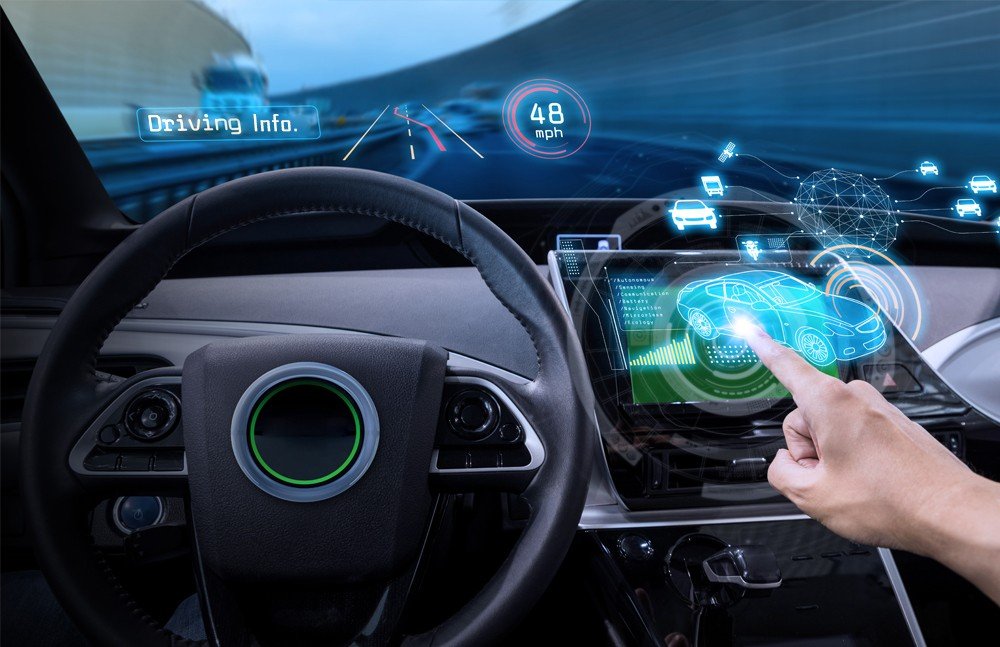
Modern vehicles are rapidly evolving from mechanical transportation products into digitally connected mobility environments. At the center of this transformation is in-vehicle infotainment, which combines navigation, entertainment, communication, and selected vehicle functions through integrated digital interfaces. As drivers become accustomed to responsive smartphones and connected devices, similar expectations are influencing the design of dashboards, touchscreens, voice controls, and digital cockpit experiences.
Automakers are responding by developing more intelligent cabin technologies that connect drivers with cloud services, mobile applications, navigation tools, and multimedia platforms. The wider adoption of connected vehicle entertainment systems reflects a broader shift toward software-centric automotive design. Infotainment is increasingly becoming part of the overall vehicle experience rather than operating as a separate entertainment feature.
The Global In-vehicle Infotainment Market is projected to expand from USD 29.2 billion in 2026 to USD 46.98 billion by 2032, registering an estimated CAGR of 8.25% during the forecast period, according to MarkNtel Advisors. This development is closely associated with connected vehicle technologies, artificial intelligence, electric mobility, and growing demand for personalized digital experiences inside passenger vehicles.
Connected Vehicles Are Changing Cabin Expectations
Connected vehicle technology has significantly changed how drivers interact with cars. Built-in connectivity can support real-time navigation, multimedia streaming, cloud-linked services, and communication features through a central digital interface. High-speed wireless technologies are also helping vehicles maintain communication with online platforms and external devices, allowing infotainment systems to deliver more responsive services while supporting broader connected mobility functions.
The development of advanced connectivity platforms further illustrates this transition. Qualcomm describes automotive connectivity technologies using 4G, 5G, Wi-Fi, Bluetooth, and vehicle-to-everything communication as enablers for cloud-based services and connected vehicle functions. These technologies provide an important technical foundation for digital cockpits that increasingly depend on continuous communication between vehicle hardware, software, and cloud infrastructure.
Software Is Becoming Central to Infotainment Design
Vehicle manufacturers have traditionally relied on multiple electronic control units and separate software components for different automotive functions. The emergence of software-defined vehicle architectures is encouraging a more centralized approach. In this environment, infotainment platforms can become part of a broader digital architecture that supports software updates, connected services, and scalable features throughout a vehicle's operational life.
Android Automotive demonstrates how operating systems are adapting to automotive requirements. Google's documentation describes the platform as a base Android system designed to power in-vehicle experiences and support pre-installed as well as compatible automotive applications. The platform is also evolving in line with software-defined vehicle principles, indicating how infotainment operating systems may support increasingly centralized and updatable vehicle software foundations.
AI Is Enabling More Personalized Cabin Experiences
Artificial intelligence is another important influence on modern infotainment development. Earlier voice-control systems often depended on predefined commands and limited recognition capabilities. Newer AI-based interfaces are being designed to understand more natural forms of communication, interpret contextual information, and adapt digital functions according to user preferences. This may simplify interactions with navigation, media, messaging, and selected vehicle controls.
Personalization is also moving beyond basic profile settings. Digital cockpit platforms can potentially remember frequently used routes, preferred entertainment options, interface configurations, and recurring cabin preferences. Context-aware software may then organize relevant information based on driving situations. The objective is to reduce unnecessary interaction with complex menus while making the infotainment interface more intuitive for individual users.
Electric Vehicles Are Expanding Digital Cockpit Roles
Electric vehicles are creating additional opportunities for advanced infotainment systems because their user interfaces often need to communicate information beyond traditional media and navigation. Drivers may require charging station details, battery status, energy consumption insights, and route planning that considers charging availability. Integrating these functions into a central display can create a more unified experience for managing both mobility and entertainment requirements.
Digital interfaces can also support different experiences while an electric vehicle is parked or charging. Multimedia services, rear-seat displays, connected applications, and entertainment functions are gaining greater relevance as vehicle cabins become digital spaces. However, developers must carefully distinguish between features intended for stationary use and those suitable during active driving to maintain a responsible approach to interface design.
User Experience and Safety Must Develop Together
As infotainment systems gain more features, interface complexity becomes an important consideration. Large displays and extensive application ecosystems can provide flexibility, but poorly organized controls may increase cognitive demand. Automotive designers therefore need to consider screen layout, voice interaction, physical controls, response times, and the amount of information presented to drivers during different stages of a journey.
Successful infotainment design is likely to depend on balancing digital capability with usability. Frequently used functions should remain accessible without requiring lengthy menu navigation. Voice controls need reliable recognition, while visual elements should communicate information clearly. The growing integration of infotainment with vehicle systems also increases the importance of software reliability, cybersecurity considerations, and carefully managed updates across connected automotive architectures.
Integration Costs Remain a Significant Challenge
Advanced infotainment platforms require automotive-grade processors, complex software development, interface testing, and integration with existing electrical and electronic architectures. These requirements can increase development costs and extend validation cycles. Automakers and technology suppliers must also coordinate applications, operating systems, connectivity modules, displays, and vehicle functions without compromising system stability or creating fragmented digital experiences for users.
Platform standardization and modular software architectures may help address some integration challenges. Google's expansion of Android Automotive toward software-defined vehicles highlights modular structures and granular update capabilities as part of its evolving platform direction. Such approaches could help automotive developers manage fragmented software components while creating more adaptable foundations for future vehicle functions.
Infotainment Is Becoming a Core Vehicle Experience
In-vehicle infotainment is moving far beyond radio, basic navigation, and smartphone mirroring. Connected services, AI-based personalization, electric vehicle functions, and software-defined architectures are turning digital cockpits into central points of interaction between occupants and vehicles. The long-term development of these systems will depend on how effectively automakers combine connectivity, computing performance, intuitive design, and responsible driver interaction.
As vehicle software becomes more sophisticated, infotainment platforms are likely to influence how consumers perceive digital quality inside a car. The strongest systems will not simply offer more applications or larger displays. They will organize technology around practical driving needs, provide reliable connected services, and create coherent interfaces that make increasingly complex vehicle functions easier for drivers and passengers to understand.
