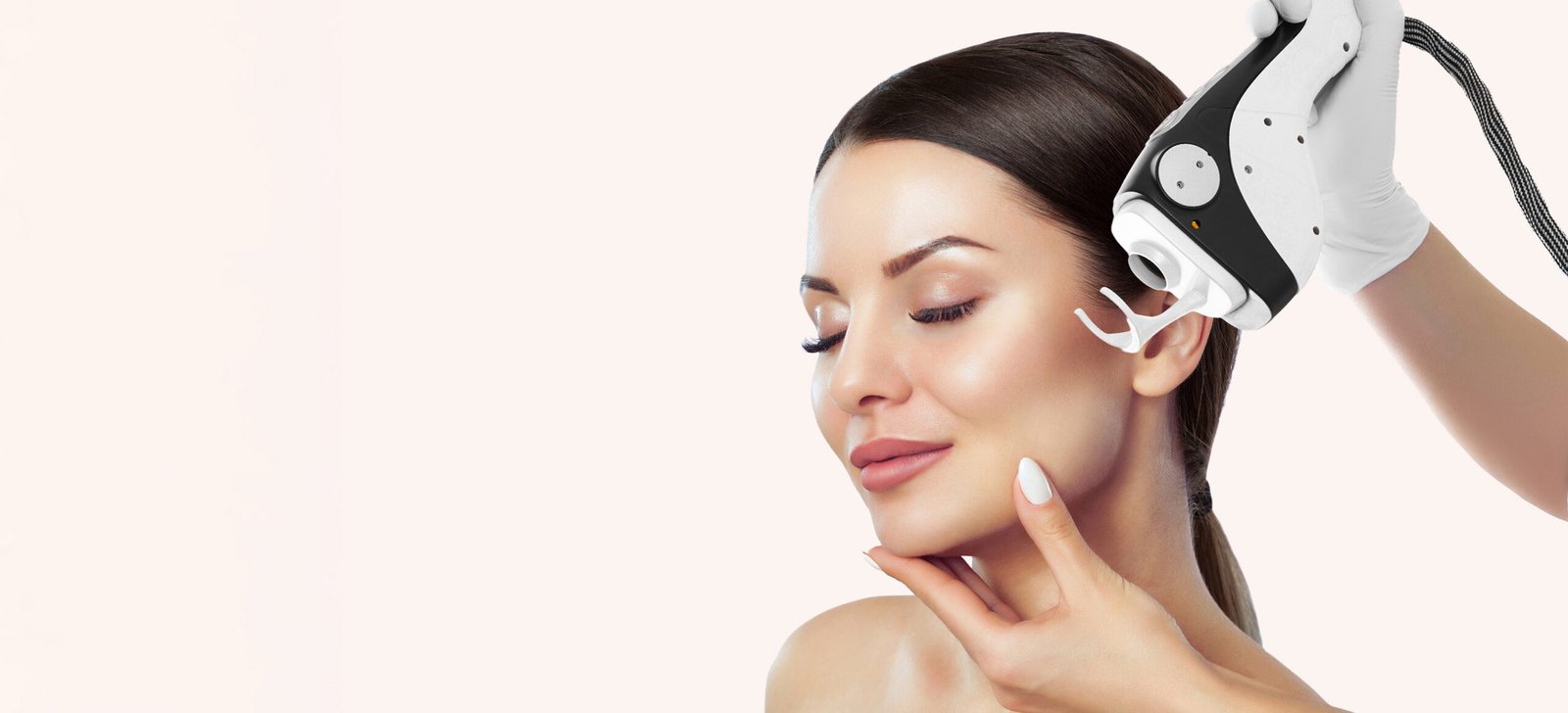
Advancements in dermatology have made it possible to treat skin damage at a deeper biological level rather than relying only on surface-level solutions. One of the most researched and effective technologies in this field is Fractional CO2 Laser Treatment, a procedure that uses precise laser energy to resurface skin, stimulate collagen production, and trigger controlled healing responses. Understanding the science behind this treatment helps explain why it is so effective for scars, wrinkles, and overall skin rejuvenation.
The Basic Science of Laser Resurfacing:
Laser skin resurfacing works by delivering concentrated beams of light energy into the skin, where it is absorbed by water molecules in the tissue. This absorption creates controlled heat, which removes damaged skin layers and stimulates repair mechanisms. The fractional approach means only a portion of the skin is treated at a time, allowing faster healing. Key scientific principles include:
Light energy converted into controlled heat
Targeted removal of damaged skin layers
Preservation of surrounding healthy tissue
Activation of natural wound-healing response This balance between damage and repair is what makes the treatment both safe and effective.
How Fractional Technology Works:
Fractional technology divides the laser beam into thousands of microscopic columns that penetrate the skin in a controlled pattern. These micro-columns create tiny thermal injuries surrounded by untreated skin, which acts as a reservoir for rapid healing. This structure is what differentiates modern resurfacing from older full-surface lasers. The process involves:
Creation of microthermal zones in the skin
Controlled injury to stimulate repair
Rapid healing from surrounding healthy tissue
Gradual replacement of damaged skin cells This scientific approach minimizes downtime while maximizing skin regeneration.
Cellular Response and Healing Mechanism:
When the laser creates micro-injuries, the skin responds by activating its natural repair system. This involves inflammation, tissue remodeling, and collagen production. Fibroblast cells play a key role in rebuilding the skin structure, producing new collagen and elastin fibers. This leads to long-term improvements in skin strength and elasticity. The biological process includes:
Activation of fibroblast cells
Increased collagen and elastin synthesis
Replacement of damaged skin cells
Remodeling of skin structure over time This cellular response is what gives the skin a smoother and more youthful appearance.
Role of Collagen in Skin Rejuvenation:
Collagen is the primary structural protein responsible for skin firmness and elasticity. As we age, collagen production naturally decreases, leading to wrinkles, sagging, and uneven texture. The laser treatment stimulates collagen remodeling, effectively reversing some of these signs of aging. Scientific effects include:
Increased collagen production in dermal layers
Strengthening of skin structure
Reduction in fine lines and wrinkles
Improved skin elasticity and firmness This biological stimulation is central to the long-term effectiveness of the procedure.
Thermal Zones and Controlled Damage:
One of the key innovations in this technology is the concept of controlled thermal damage. Instead of treating the entire skin surface, the laser creates thousands of microscopic zones of heat injury. These zones are surrounded by healthy tissue, which accelerates healing and reduces complications. This mechanism includes:
Creation of precise thermal columns
Minimal damage to surrounding tissue
Faster recovery due to intact skin areas
Stimulation of natural healing pathways This controlled damage is essential for balancing effectiveness and safety.
Skin Remodeling Process:
After the initial injury phase, the skin undergoes a remodeling process that can last several weeks to months. During this time, new collagen fibers are reorganized, and damaged tissue is replaced with healthier skin. This phase is responsible for long-term improvements in skin texture and tone. Key stages include:
Early inflammation and healing response
New tissue formation and regeneration
Collagen remodeling and strengthening
Gradual improvement in skin appearance This ongoing process explains why results continue to improve over time.
Scientific Benefits for Different Skin Layers:
The laser affects both the epidermis (outer layer) and dermis (deeper layer), making it effective for a wide range of skin concerns. The controlled penetration depth allows customization based on skin condition. Benefits across layers include:
Epidermal resurfacing for smoother surface texture
Dermal stimulation for collagen regeneration
Reduction of pigmentation irregularities
Improvement in skin density and structure This multi-layer approach is what makes the treatment versatile and effective.
Safety Mechanisms in the Technology:
Modern laser systems are designed with multiple safety features to ensure controlled energy delivery and minimize risk. Parameters such as depth, intensity, and pulse duration are carefully adjusted for each patient. Safety mechanisms include:
Adjustable energy levels based on skin type
Fractional delivery to protect healthy tissue
Real-time control of laser depth
Reduced risk of overheating or damage These safeguards make the procedure scientifically controlled and predictable.
Expected Biological Outcomes:
The ultimate goal of the treatment is to improve skin quality by enhancing natural biological processes rather than artificially altering the skin. Over time, patients experience visible improvements due to structural changes at the cellular level. Expected outcomes include:
Smoother and more even skin texture
Reduced appearance of scars and wrinkles
Improved skin elasticity and firmness
Long-term collagen regeneration These results are the direct outcome of controlled biological repair mechanisms.
Factors That Influence Results:
The effectiveness of the treatment depends on several biological and technical factors, including skin type, treatment intensity, and healing capacity. Individual variation plays a major role in final outcomes. Key factors include:
Skin type and natural healing ability
Depth and intensity of laser application
Number of treatment sessions
Post-treatment care and protection Understanding these variables helps set realistic expectations for results.
Final Thoughts:
The science behind Fractional CO2 Laser Treatment is based on controlled skin injury and natural biological repair, making it one of the most effective modern techniques for skin resurfacing. By stimulating collagen production, activating cellular regeneration, and remodeling skin structure over time, it delivers scientifically backed improvements in texture, tone, and overall skin health.