


The Automotive Bonding Revolution: How Automotive Assembly Adhesives and Construction Bonding Materials Are Shaping Modern Infrastructure
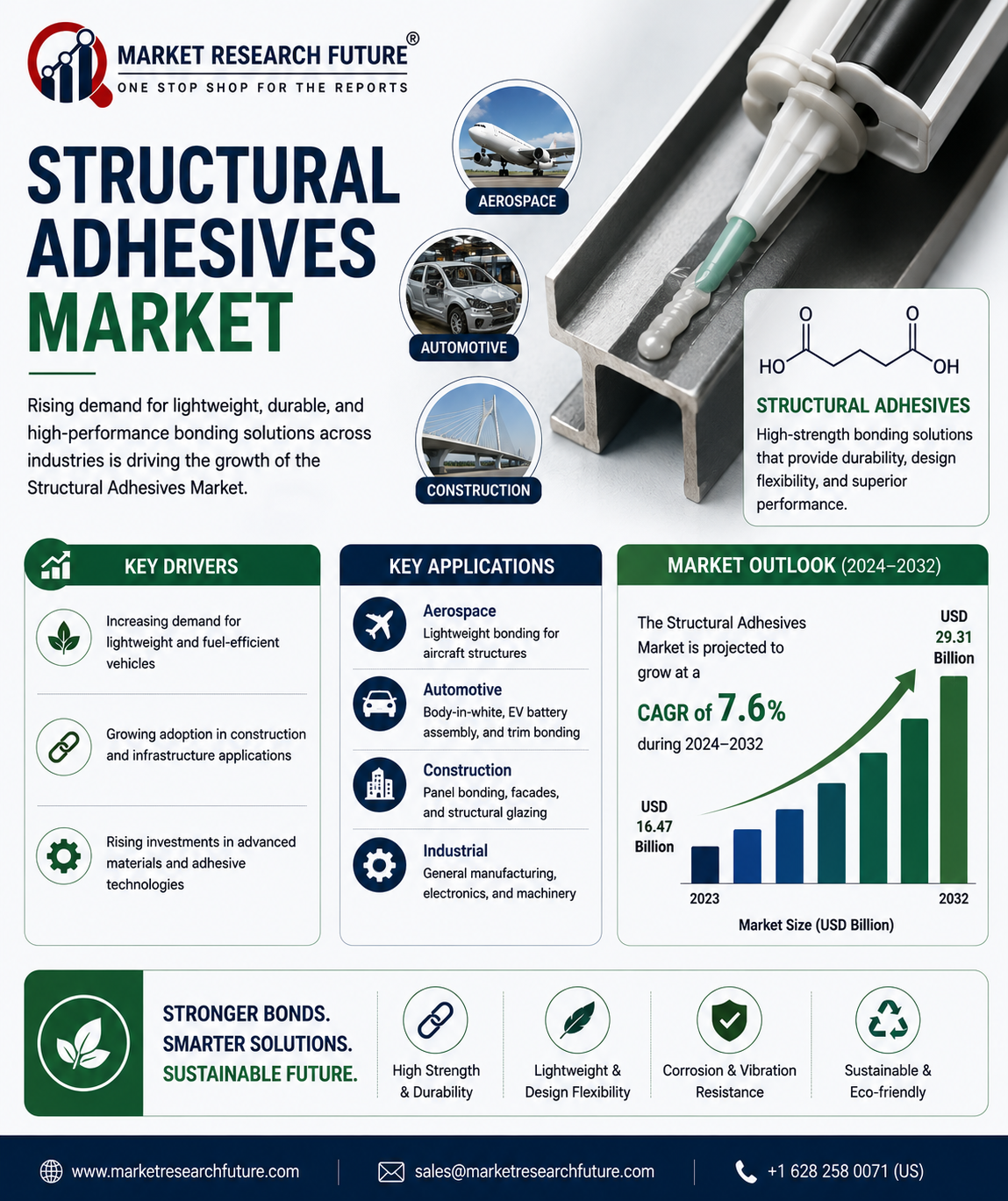
The automotive and construction industries are undergoing significant transformations driven by the adoption of advanced bonding technologies. Automotive assembly adhesives and construction bonding materials are enabling lighter, stronger, and more durable assemblies that meet stringent performance and sustainability requirements. The Structural Adhesives Market, valued at USD 22.14 billion in 2025 and projected to grow at a 8.30% CAGR through 2035, reflects the increasing demand for bonding solutions. At the heart of these transformations are automotive assembly adhesives and construction bonding materials, which together are shaping modern infrastructure.
The Evolution of Automotive Assembly Adhesives
Automotive Assembly Adhesives have evolved from simple trim bonding to critical structural applications that contribute to vehicle safety and performance. Modern automotive adhesives offer exceptional shear strength, impact resistance, and durability. The automotive sector is the fastest-growing end-user by value, projected to grow at 9.3% CAGR.
The evolution of automotive assembly adhesives is driven by the need to join dissimilar materials and reduce vehicle weight. Hybrid weld-bond joints improve crash energy absorption by 20-30%. Each new EV platform incorporates 15–25 kg of composite bonding materials, with structural adhesive consumption per vehicle projected to double by 2030. Volkswagen, BMW, and Mercedes-Benz collectively consumed over 45,000 metric tons of epoxy structural adhesives and automotive bonding adhesives in 2024.
The Strategic Importance of Construction Bonding Materials
Construction Bonding Materials are essential for modern building techniques that demand high-performance, durable adhesive solutions. Epoxy, polyurethane, and acrylic formulations are used across curtain wall bonding, flooring installation, prefabricated panel assembly, and concrete repair. The construction sector accounts for the largest end-user share at roughly 32%.
The strategic importance of construction bonding materials is amplified by green building certification programs in over 80 countries that now specify low-VOC construction adhesive solutions. Products meeting EU Ecolabel or Cradle to Cradle certification command 10-15% price premiums over conventional formulations. The strict evolution of international green building rating systems pushes real estate development sectors to prioritize low-emission building components.
Key Applications Driving Market Growth
Automotive assembly adhesives and construction bonding materials find applications across diverse vehicle and building systems. In automotive, adhesives bond body panels, closures, and battery enclosures. In construction, they bond curtain walls, install flooring, assemble prefabricated panels, and repair concrete structures.
Electric vehicle battery enclosures require specialized thermally conductive, flame-retardant structural adhesives. Modern wind turbine blades necessitate massive volumes of specialized polyurethane and epoxy structural adhesives for assembly. Infrastructure modernization programs and mega-projects in Saudi Arabia and the UAE are driving demand for construction bonding materials.
Benefits of Advanced Bonding Solutions
The benefits of automotive assembly adhesives and construction bonding materials extend across performance, durability, and sustainability. Performance is enhanced through superior load distribution, fatigue resistance, and vibration damping. Durability is improved through resistance to environmental stress and chemicals. Sustainability is addressed through low-VOC formulations and reduced material consumption.
The adoption of advanced bonding solutions supports lightweighting mandates and green building requirements. The transition from mechanical fasteners to adhesives reduces vehicle weight and enables more efficient building designs.
Future Trends and Opportunities
The future of automotive assembly adhesives and construction bonding materials is characterized by continued innovation in sustainable formulations and fast-curing technologies. Bio-based adhesives derived from renewable sources are gaining market share. Rapid-curing systems are reducing assembly cycle times. Smart adhesives with self-healing capabilities are advancing from laboratory to commercial applications.
Organizations that invest in Automotive assembly adhesives and innovative Construction Bonding Materials will be well-positioned to shape modern infrastructure, delivering the lightweight, durable, and efficient bonding solutions demanded by next-generation vehicles and buildings.
