


Polyelectrolyte Coated Nanoparticle SPION Applications
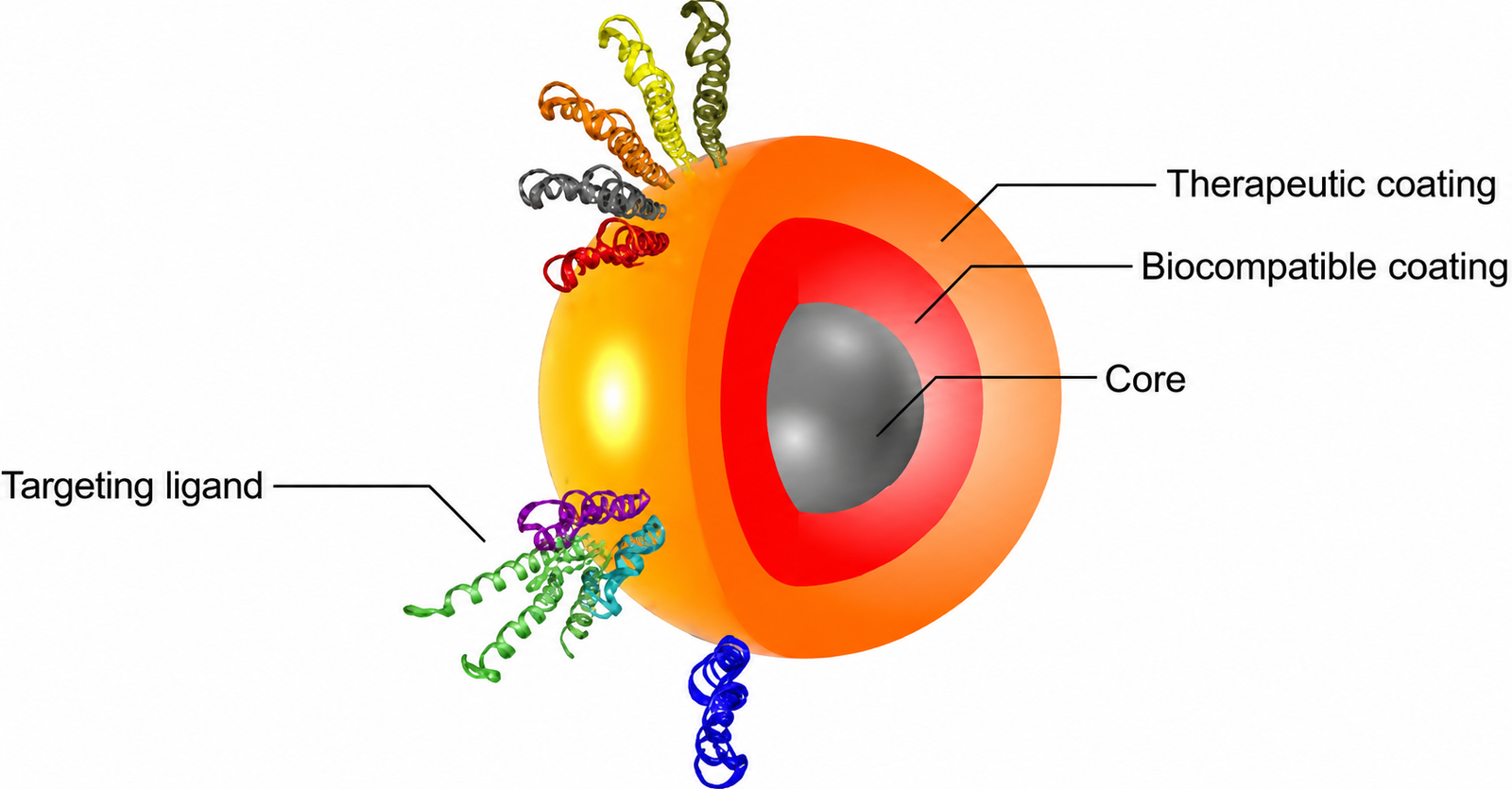
- Polyelectrolyte coated nanoparticle SPIONs (Superparamagnetic Iron Oxide Nanoparticles) have gained significant attention in nanotechnology and biomedical research. These nanoparticles combine the magnetic properties of iron oxide with the stability and functionality provided by polyelectrolyte coatings. The coating enhances biocompatibility, improves colloidal stability, and allows the attachment of therapeutic or diagnostic molecules. As a result, polyelectrolyte coated nanoparticle SPIONs have become valuable tools in drug delivery, medical imaging, tissue engineering, and environmental applications. Their unique combination of magnetic responsiveness and surface versatility continues to drive innovation across multiple scientific fields.
Understanding SPION Technology
SPIONs are nanoscale particles composed primarily of iron oxide materials such as magnetite or maghemite. These particles exhibit superparamagnetic behavior, meaning they become magnetized when exposed to an external magnetic field and lose their magnetism once the field is removed. This property prevents particle aggregation and makes them highly suitable for biomedical applications. The small size of SPIONs enables them to interact effectively with biological systems, while their magnetic properties allow precise control and manipulation in various therapeutic and diagnostic procedures.
Role of Polyelectrolyte Coatings
Polyelectrolyte coatings play a crucial role in improving the performance of SPIONs. Polyelectrolytes are polymers that contain charged functional groups, allowing them to interact strongly with nanoparticle surfaces. The coating creates a protective layer around the nanoparticles, preventing oxidation, aggregation, and unwanted interactions with biological components. In addition, polyelectrolytes provide functional groups that can be used for further chemical modification, enabling the attachment of drugs, proteins, antibodies, and targeting ligands. This versatility significantly expands the range of potential applications for SPION-based systems.
Synthesis of Polyelectrolyte Coated Nanoparticle SPIONs
The synthesis of polyelectrolyte coated nanoparticle SPIONs typically involves two main steps: nanoparticle preparation and surface coating. Iron oxide nanoparticles are commonly produced through co-precipitation, thermal decomposition, or hydrothermal methods. After synthesis, the particles are coated with positively or negatively charged polyelectrolytes through adsorption or layer-by-layer assembly techniques. The layer-by-layer approach allows precise control over coating thickness and surface charge. Careful optimization of synthesis parameters ensures uniform particle size, stable coatings, and desired functional properties for specific applications.
Structural and Physicochemical Properties
The structural and physicochemical characteristics of polyelectrolyte coated nanoparticle SPIONs determine their performance in practical applications. Important properties include particle size, shape, surface charge, magnetic responsiveness, and coating thickness. The polyelectrolyte layer influences nanoparticle stability in biological fluids and affects interactions with cells and tissues. Surface charge plays a key role in cellular uptake and biodistribution, while magnetic properties enable external guidance and imaging capabilities. Understanding these characteristics is essential for designing nanoparticles with optimized functionality and safety profiles.
Enhanced Stability and Biocompatibility
One of the major advantages of polyelectrolyte coated nanoparticle SPIONs is their improved stability and biocompatibility. Uncoated nanoparticles tend to aggregate in aqueous environments, reducing their effectiveness and potentially causing adverse biological effects. Polyelectrolyte coatings create electrostatic repulsion between particles, preventing aggregation and maintaining dispersion stability. Furthermore, the coating reduces direct contact between the iron oxide core and biological tissues, minimizing toxicity and enhancing compatibility with living systems. These benefits make coated SPIONs more suitable for clinical and therapeutic applications.
Drug Delivery Applications
Polyelectrolyte coated nanoparticle SPIONs have emerged as promising carriers for targeted drug delivery. The surface coating provides binding sites for therapeutic agents, allowing drugs to be loaded onto or within the nanoparticle structure. Magnetic guidance enables the nanoparticles to be directed toward specific tissues or disease sites using external magnetic fields. This targeted approach improves drug accumulation at the desired location while reducing systemic side effects. Controlled drug release mechanisms can also be incorporated into the coating design, further enhancing treatment efficiency and patient outcomes.
Magnetic Resonance Imaging Applications
Magnetic resonance imaging (MRI) is one of the most important biomedical applications of polyelectrolyte coated nanoparticle SPIONs. Due to their strong magnetic properties, SPIONs act as effective contrast agents that improve image clarity and diagnostic accuracy. The polyelectrolyte coating enhances circulation time and reduces aggregation, ensuring reliable imaging performance. Researchers continue to develop multifunctional SPION systems capable of simultaneous imaging and therapy, creating opportunities for more precise disease diagnosis and monitoring in clinical settings.
Cancer Diagnosis and Treatment
Cancer research has greatly benefited from the development of polyelectrolyte coated nanoparticle SPIONs. These nanoparticles can be functionalized with targeting molecules that recognize specific cancer cell markers, enabling selective accumulation in tumors. Once localized, SPIONs can support imaging, drug delivery, and hyperthermia therapy. In magnetic hyperthermia, an alternating magnetic field generates localized heat that damages cancer cells while sparing healthy tissues. The combination of diagnosis and treatment within a single platform highlights the potential of SPION-based nanomedicine in oncology.
Tissue Engineering and Regenerative Medicine
In tissue engineering, polyelectrolyte coated nanoparticle SPIONs provide innovative solutions for cell tracking, scaffold development, and tissue regeneration. Their magnetic properties allow researchers to monitor implanted cells using imaging techniques and guide cell positioning through external magnetic fields. The polyelectrolyte coating supports interactions with biological molecules and promotes cellular compatibility. These capabilities contribute to the development of advanced regenerative therapies aimed at repairing damaged tissues and restoring organ function.
Environmental and Industrial Applications
Beyond healthcare, polyelectrolyte coated nanoparticle SPIONs have applications in environmental remediation and industrial processes. Their magnetic nature allows easy separation from contaminated water after pollutant adsorption. The functionalized surface can selectively bind heavy metals, dyes, and organic contaminants, improving purification efficiency. In industrial settings, these nanoparticles are used in catalysis, biosensing, and material processing. Their adaptability and recoverability make them attractive materials for sustainable environmental and technological solutions.
Safety Considerations and Challenges
Despite their many advantages, polyelectrolyte coated nanoparticle SPIONs face several challenges related to safety, scalability, and regulatory approval. Long-term biological effects, nanoparticle accumulation, and potential toxicity require thorough investigation before widespread clinical use. Manufacturing processes must also ensure consistency, quality control, and cost-effectiveness. Researchers are actively addressing these concerns through advanced material design, comprehensive toxicity studies, and standardized evaluation methods. Overcoming these challenges is essential for successful commercialization and clinical translation.
Future Perspectives
The future of polyelectrolyte coated nanoparticle SPION technology appears highly promising. Advances in nanomaterials, polymer chemistry, and biomedical engineering are enabling the development of smarter and more efficient nanoparticle systems. Emerging designs incorporate stimuli-responsive coatings, multifunctional therapeutic capabilities, and enhanced targeting mechanisms. These innovations are expected to improve disease diagnosis, personalized medicine, and environmental sustainability. As research progresses, polyelectrolyte coated nanoparticle SPIONs are likely to play an increasingly important role in next-generation healthcare and advanced technological applications.
Conclusion
Polyelectrolyte coated nanoparticle SPIONs represent a powerful and versatile class of nanomaterials with broad applications across medicine, biotechnology, and environmental science. Their unique combination of magnetic functionality, surface adaptability, stability, and biocompatibility makes them valuable tools for imaging, drug delivery, cancer therapy, tissue engineering, and pollution control. Continued research and technological advancements will further expand their capabilities and address current limitations. As understanding of these materials grows, polyelectrolyte coated nanoparticle SPIONs are expected to contribute significantly to future scientific and industrial innovations
