


A Deep-Dive Strategic and Comprehensive Data Center Cooling Market Analysis
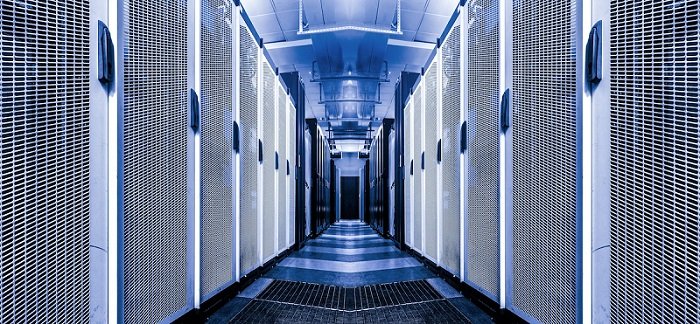
A comprehensive Data Center Cooling Market Analysis reveals a dynamic and rapidly expanding sector that is fundamental to the stability and growth of the entire digital economy. The market can be systematically analyzed by segmenting it across several key dimensions, including solution type, data center type, and geography. By solution type, the market is broadly bifurcated into air-based cooling and liquid-based cooling. The air-based segment, which includes traditional Computer Room Air Conditioners (CRACs), in-row coolers, and containment solutions, still holds a significant share of the market due to the massive installed base of existing data centers. However, the liquid-based cooling segment is growing at a much faster rate. This segment is further broken down into direct-to-chip cooling, full immersion cooling, and rear-door heat exchangers. The choice of solution is heavily dependent on the power density of the IT equipment, with high-density AI and HPC workloads almost exclusively driving demand for liquid-based solutions. Understanding the dynamics and growth rates of these sub-segments is crucial for analyzing the market's technological trajectory and future investment patterns.
Analysis by data center type provides critical insights into the primary sources of demand. The market is typically segmented into enterprise data centers, colocation facilities, hyperscale data centers, and edge data centers. Enterprise data centers, owned and operated by a single organization for its internal needs, represent a mature but slower-growing segment. Colocation facilities, which rent out space, power, and cooling to multiple tenants, are a major market for flexible and modular cooling solutions that can accommodate a diverse range of customer needs. The most significant and influential segment is the hyperscale data center market, dominated by cloud giants like AWS, Google, and Microsoft. These companies operate at a colossal scale and are at the forefront of deploying the most advanced and energy-efficient cooling technologies, often developing their own custom solutions in partnership with major vendors. Their purchasing decisions and technological innovations have a ripple effect across the entire industry. Finally, the emerging edge data center segment, while currently small, represents a high-growth frontier, demanding compact, rugged, and remotely manageable cooling units for deployment in a multitude of distributed locations.
A geographical market analysis highlights significant regional variations in growth, technological adoption, and regulatory drivers. North America, particularly the United States, has historically been and continues to be the largest market for data center cooling. This is due to the high concentration of hyperscale cloud providers, a vibrant technology sector, and the early adoption of advanced computing. Europe is another major market, with its growth strongly influenced by stringent environmental regulations and a strong focus on sustainability and energy efficiency. The EU's push for "green data centers" and regulations around carbon emissions are powerful catalysts for investment in modern, efficient cooling technologies. The Asia-Pacific (APAC) region, however, is projected to be the fastest-growing market in the coming years. Rapid digitalization, massive mobile internet penetration, government-led smart city initiatives, and the expansion of cloud services in countries like China, India, Singapore, and Japan are creating unprecedented demand for new data center construction and, consequently, for cooling infrastructure. Understanding these regional nuances is essential for any company seeking to compete on a global scale.
The competitive analysis within the market reveals an environment populated by established giants and nimble innovators. A handful of large multinational corporations, including Vertiv and Schneider Electric, hold a dominant position, leveraging their extensive product portfolios, global supply chains, vast service networks, and long-standing customer relationships. They compete by offering end-to-end solutions that cover power, cooling, and management software, positioning themselves as strategic partners to large data center operators. However, the market is far from a simple oligopoly. The intense technological shifts, particularly the move to liquid cooling, have created significant opportunities for specialized companies. A thriving ecosystem of smaller firms and startups focused on niche technologies—such as specific types of immersion fluids, advanced cold plate designs, or specialized rear-door heat exchangers—is challenging the status quo. These firms compete on the basis of technological superiority, agility, and deep domain expertise. This dynamic often leads to a pattern of strategic partnerships and acquisitions, where the large players acquire innovative startups to integrate cutting-edge technology into their broader portfolios, ensuring the market remains vibrant and technologically progressive.
Top Trending Reports:
